Owner at All Texas Entertainment
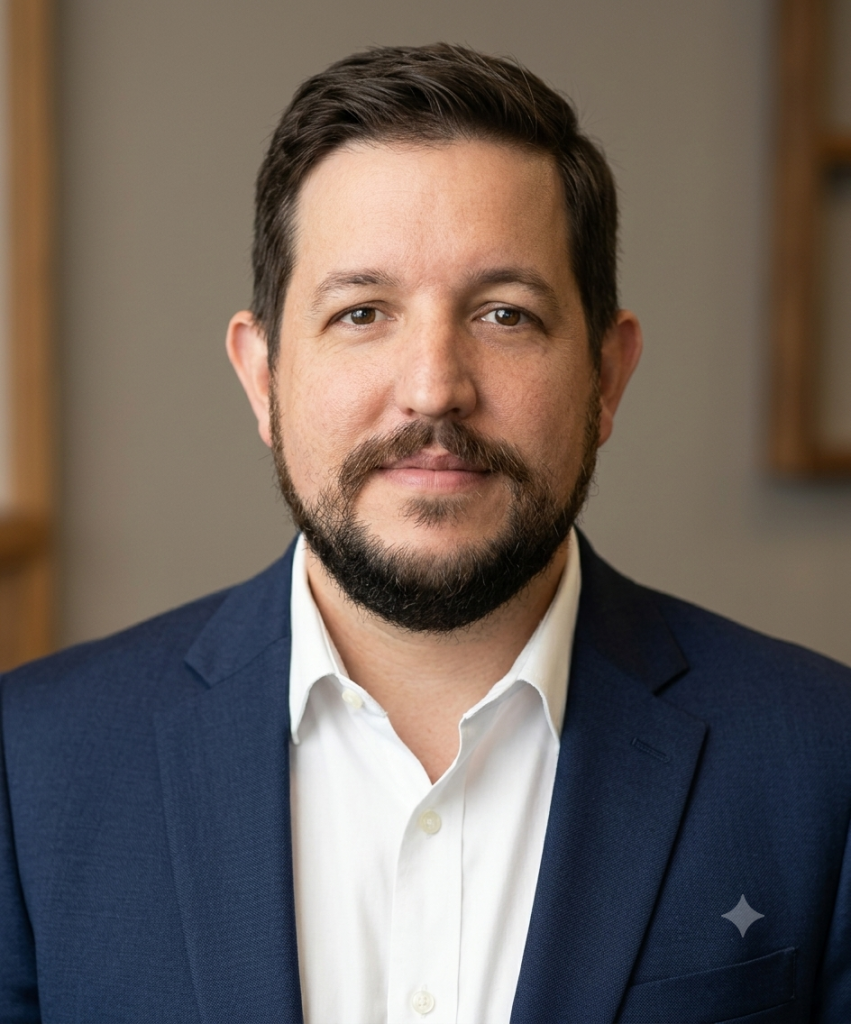
Peter Carollo is the owner and founder of All Texas Entertainment, a company that operates a diverse portfolio of mobile attractions throughout Texas. His operating brands include Mobile Escape Room Texas, Smacking Axes, Mobile Mini Golf Texas, Bubble Blast Off, and The Armadillo Express. Peter specializes in designing, fabricating, and running mobile entertainment experiences such as escape rooms built into trailers, mobile axe-throwing rigs, trackless trains, and foam parties, delivering fun directly to clients for corporate events, festivals, and private parties.
Before entering the mobile entertainment industry, Peter spent 15 years as a corporate magician. This experience in reverse engineering illusions sharpened his ability to design and fabricate immersive physical props and puzzles. The idea to create his mobile escape room business arose in 2017 after his family paid $300 to participate in a stationary escape room during a vacation. Recognizing the potential of a mobile concept, he built a highly detailed Alamo-themed escape room inside a trailer, complete with historical reenactors and a professionally produced introductory video.
Peter’s business approach is influenced by his ADHD, which enables him to hyper-focus intensely on a creative project, build it rapidly, and then shift his attention toward generating the next innovative idea. While he briefly partnered with the podcast host Dmitry to open brick-and-mortar locations featuring axe throwing, spin art, and splatter paint rooms, he ultimately chose to concentrate on the freedom offered by mobile entertainment.
A surprising detail about Peter: his past as a magician plays a direct role in building complex escape room puzzles that captivate audiences while on the move. He literally reverse-engineers the illusions he spent 15 years perfecting into physical experiences guests can touch and solve.
Peter Carollo, Owner of All Texas Entertainment, shares the pros and cons of mobile vs brick-and-mortar attractions and how his magician background shaped his escape room business. Watch the full episode (46:27): https://www.youtube.com/watch?v=ZtjgHms1PRc
[0:00] Hey everyone, welcome back to Attractions Insights where we talk with the people who are redefining fun,
[0:06] creativity, and community across America's attractions industry. Today we are heading to San Antonio, Texas to
[0:13] meet someone who turned one creative idea into an entire mobile entertainment
[0:20] empire. A business that literally brings the fun to you. Our guest today is Peter Carollo, owner and founder of All Texas
[0:28] Entertainment, the company behind Mobile Escape Rooms Texas Smacking Axes, their
[0:34] Armadillo Express, and Mobile Texas Mini Golf. At one point, Peter and I were
[0:40] business partners, opening an X throwing venue together. When the unit next door became available, we expanded again and
[0:48] this time building a spin art studio and eventually we added a splatter paint room. So from mobile attractions to
[0:55] physical storefront experiences, Peter has operated on both sides of the industry. He's seen what works, what
[1:01] doesn't, and what every operator should understand before choosing which direction to grow. And with a background
[1:08] as a corporate magician, Peter brings a customer service approach that shaped the way he designs and delivers
[1:15] experiences today. Peter, welcome to the show. Thank you for having me. Excited to be here. Yeah, so good to have you. And Peter,
[1:22] introduce yourself for our listeners. What is your role at All Texas Entertainment?
[1:28] Man, my role. Uh, well, it's like anyone else probably listening to this, uh, multiple hats, multiple roles, and kind
[1:35] of doing a little bit of everything. So, my name is Peter. I am the founder and owner of All Texas Entertainment, and we
[1:42] have been kind of growing in the mobile entertainment space since 2017 when we first opened, which seems like
[1:48] yesterday, and also a million years ago. So we started with escape rooms and then
[1:54] but bring it mobile. So we had no experience with anything brick and mortar and we knew we wanted to get into
[1:59] the entertainment industry. I was coming out of being a magician and doing that through college and a little bit after
[2:05] college and then we said how can we make something more substantial and then one thing grew into more and more and that's
[2:11] how we're here now. So I've been running this. We have a one full-time uh office manager or GM and then we have several
[2:17] drivers and staff that help make everything work. So, I kind of keep the whole show running and my job is mainly
[2:23] now fixing the current things that we have and then finding new inventory to add to bring to uh our little San
[2:29] Antonio slice of Texas. Awesome. Can you tell us how family escape room vacations led you into
[2:35] building a mobile escape room? Yeah, so we got into the industry just by by being uh you know just passengers
[2:43] and we would go and travel as a family and we'd look up uh fun things to do. We heard about escape rooms through some
[2:49] news article or you know uh Good Morning America something like that and we just thought hey when we travel let's see if
[2:55] we could find some and we started playing different rooms wherever we would go and we got a good mix of a lot
[3:00] of really early industry escape rooms so kind of very generation one lot of hardcore locks and old school combo
[3:07] locks on you know those locker types and we were playing this and we realized as
[3:13] a family we maybe just 10 people uh that just did the room together that we just paid about $300 to play for an hour and we
[3:21] won, but we didn't win anything, but we're still happy. We go, okay, there's a good business plan here. Um, that it's
[3:29] just it's a good business in general. You get people to come spend money for an hour. They'll come back and do it again if they like it and all you have
[3:35] to do is build something cool one time and then they'll do it. It sounds so simple. And then we found out how much work it is. We started going to
[3:41] conferences and transworld and everything else. And then we would start saying, "Okay, well, how can we do So,
[3:46] we thought about mobile and we had never heard of it. We didn't know anyone else in the industry doing mobile escape rooms at the time. Uh, it turns out
[3:52] there was one or two more northeastern US that were doing them and uh we just got started. We didn't know what we were
[3:57] doing. So, we went and worked way harder than we needed to. We built our first escape room uh as an Alamo theme. So, we
[4:04] went historical, which is already tough. And then we built it into a trailer, never having driven a trailer, never
[4:09] owned a truck, did not know what we were doing. And we went way too hard on the escape room. So, we hired historical
[4:16] reenactors, museum curators, uh, professional camera crew. We had guns going off and torches and pitchforks in
[4:22] a field. We were literally recreating the entire battle of the Alamo for this for this thing for a 45se secondond film
[4:28] in the beginning. Uh, and we did it and, you know, it's still going strong. I just ran an escape room event with it last weekend uh, at a big corporate
[4:35] event up in Dallas. So, it's still working well. And that's just how
[4:40] literally family vacation uh kind of tradition turned into oh a whole business. And then from there we went
[4:46] into ax throwing and everything else. But the escape room came first and it it was a lot. It was a lot to take in from
[4:53] just traveling and planning and saying okay learning completely everything from scratch about escape rooms. My only
[4:58] background as a magician was really helpful for prop design uh and building and fabrication because I'd always have
[5:05] to reverse engineer things. But that uh that helped a lot. But it was a lot of work for sure.
[5:10] And I know from our experience working with you, you have a creative engineering and fabrication drive. Why?
[5:18] Like why do you like that aspect of the business? Yeah. So that's really the most fun part
[5:23] for me. So our theory is that I just grew up having ADHD. So it's always fun to you hyperfixate and hyperfocus on one
[5:31] project and then I'll get bored of it and move on. So, if I can finish it in that amount of time before I start
[5:36] losing, you know, steam on the creative side, then now it's a whole new thing. It's a whole new business or a whole new
[5:41] attraction. Um, with escape rooms and fabrication, all of that fit together really well that I could build one room
[5:48] and focus all my energy on that and really do it. It just fed that creative bug in me that you start coming up with
[5:53] all these ideas and that speed of what if the the wall turned around and it did this and they pulled a lever and it could do that and just that it's almost
[6:00] like a high that you're getting when you're designing an escape room and you're just kind of burying yourself. Oh man, there's no there's no budget in
[6:05] your head, right? Everything is can be done creatively or cheaply or you can figure this out later. But uh I love
[6:10] that aspect of it and kind of coming up with new cool things. Um, it's that's
[6:16] always been the most fun for it for me because it's fast, it's rapid, you get really excited, you got to really
[6:21] stretch your muscles of for creativity and figure out what you can come up with. My wife and I, whenever we take
[6:27] road trips, we'll say, "Let's start a new business." And we know we're not going to we're not probably not going to run with a business idea, but we're
[6:33] going to come up with a whole business idea. And by the end of the car ride, we should be, "Oh, we could do this, we could do that, we could do this." And
[6:38] just kind of come out up with something new. Whether you use it or not, great. But you just got to keep those juices
[6:43] going and that's always been super fun for me. And then building something physically and seeing it come to life is always it's always exciting no matter
[6:49] what. Whether it's Legos or popsicle sticks or you're welding brackets together and coming up with something
[6:55] that's been really fun for me. You have a magician background as a corporate magician.
[7:01] Tell me what what it taught. Oh man, lots of different stuff. Being a
[7:06] corporate magician was uh it was a fun college. It was a fun high school job or started out as a hobby and then it kind
[7:12] of becomes an expensive hobby and then a hobby that pays a little bit and then a hobby that pays a lot uh when I started running with it. And it was my first
[7:19] business I built completely from scratch, you know, with I would go to local magic meetings and meet all the
[7:24] other super old magicians and it was that weird kind of learning from elders and having, you know, people around you
[7:30] in the community. And then I started getting clients and I started making money and I started learning
[7:37] how much a dollar earned really cost. And it's not just this. It's the amount of practice and time. I will never ever
[7:44] make back all the hours that I spent, you know, practicing magic and card tricks. You know, I'd fall asleep with cards in my hand. So, I guess that
[7:50] taught me kind of the dedication side of it. But also what I enjoy most as an adult is just kind of the creative side
[7:56] of reverse engineering a problem. And that's really all magic is to is say I want this person to fly from one end of
[8:01] the stage to the other. Okay, well we can't make them fly. So how do we do this? Okay, well strings and lights and
[8:07] background and lighting design. So just kind of creative problem solving a lot that okay, just cuz something looks bad,
[8:12] it doesn't mean it's going to be that bad. Um and just kind of see what we can do with it. So from creative engineering
[8:18] side, it helped a lot of kind of just all right, how do we figure something out? How do we make it work? Uh and then
[8:24] uh a lot of customer service for sure. Once you have clients, you got to take care of them. Uh really understanding the business side of the entertainment
[8:31] business because it's still a business. Uh our business is fun and that's cool. Uh but you know, fun doesn't pay the
[8:38] bills or anything like that. So is making sure how do I keep my customers happy and learn what they're really
[8:43] concerned about. They don't know anything about magic or our customers don't know really much about escape rooms or axe throwing. They're there to
[8:49] have a good time. That's what matters. Whether they throw axes for 5 minutes or 60 minutes, it doesn't matter. as long
[8:55] as they leave happy and they want to come back and do it again. I don't care what they're really doing for that time.
[9:00] So whether it's a magic show, they might not be on stage with me, but I need to learn that they want all the kids at
[9:06] their birthday party happy or they want this or that. They want customers to feel like their food doesn't take as long at a restaurant. And that's where I
[9:13] come in. I'd go up and do magic for tables and do things that way. So it taught me about kind of the customer
[9:18] service side and their perspective of okay, they want an emotion. That's what
[9:23] they're buying. And the emotion is, "Thank God all my clients are happy because this event went well and all
[9:28] your people showed up and your stuff worked great and they had fun. So now I'm happy. That's what I need to sell
[9:34] them." So a little bit a lot. It was my first job in business and I was grateful for it, but also I was happy to do my
[9:39] last show and just kind of get out of that world. It's a it's a lot of different focus and work than than the
[9:45] stuff is. So Peter, you mentioned that you started with the mobile escape rooms. uh give us
[9:50] kind of timeline how you were adding additional experiences and what were they?
[9:55] Yeah, so we started with the escape room uh in 2017 we opened up uh very slow
[10:01] growth at first but after the first year and a half uh we had enough consistent
[10:06] booking so I was still doing magic at the time. So 201 let's say 19 is when I think we added our first one and that
[10:12] was axe throwing uh our mobile ax throwing trailer. we saw a design that we liked and I contacted a local trailer
[10:19] manufacturing company uh here in Texas and they said, "Yeah, we could do that."
[10:24] Uh so we paid for our mobile X-ring trailer site unseen, you know, fully paid up front. Uh and for insurance, we
[10:31] had to get crazy insurance for it. Uh then 2019 and then we ran that for about
[10:36] a year and a half. We met around 2020 and by that point we were adding smaller facilities that weren't trailer
[10:43] specific. So we only had one truck. We now we had two trailers. We could add jelly balls. So almost like an airsoft
[10:48] paintball thing. We added something smaller. I think we added a photo booth on at that point and maybe something else small. And then we added foam
[10:55] machine. So our bubble blast off brand. We started with that. And then what from there? We had a hot seat escape room.
[11:01] That was actually our third trailer that we had. So we got a smaller uh escape room that we could set up indoors at
[11:06] different parties and events and locations. That was an absolute nightmare for us. We ran into bad luck. Our trailers kept getting broken into.
[11:12] So that made that really hard to keep replacing it. And then we started adding kind of more and more. So now we've been about one a year for the past couple
[11:19] years. So we have five brands right now. So Mobile Miniolf Texas, Mobile Escape Room, Bubble Blastoff, Smacking Axes,
[11:26] and the uh Trackless Train. So we're keeping steady right now and hopefully this year we'll have the train business
[11:32] pretty well established and then we'll kind of branch into our next thing. For somebody who doesn't know what the
[11:38] mobile attractions business or entertainment business is, can you describe it in a few words? Hard for
[11:45] your health. It's tough. Mobile is Mobile is tough. I don't think there's anyone that owns their own business that
[11:50] would say like, "Oh, yeah, it's it's great. We we're in it for the money." Yeah, that's why we get into it and the
[11:55] money has to be good, but man, that's never enough. Mobile is different. Take all the problems that a normal business
[12:01] has and now put tires on it. It's tough. The mobile entertainment industry is is primarily dominated by large event
[12:07] companies doing tents and things like that. Tables, chairs, tents, you know, the structural stuff. And then you have
[12:12] inflatables. And we are kind of somewhere constantly floating in the middle of that that we don't do bounce
[12:17] houses. We have escape room and mini golf and wacky stuff that's larger and more expensive and more difficult. So,
[12:24] it's always different. We chose literally the hardest path we could have to do this mobile stuff. You mentioned the inflatables. Uh, have
[12:30] you ever looked at this business? Yeah, we have uh we've talked to a lot of people that own inflatables and have
[12:36] them and do them and there's companies that do them really really well and these to to do it well for me, you would
[12:42] need to be doing at least a million dollars a year in sales. Uh with that uh and to do that, you don't need one
[12:49] inflatable. You need 40 or 50 or 100 inflatables to do that. You need
[12:54] seasonal stuff and that takes up space in a warehouse and you need to have a team that's forklift certified to be
[12:59] able to move things efficiently. A space to clean up and blow them up and inflate them and then dry them out and test them
[13:04] and then safety inspections uh from the state. So, there's a lot that goes into it. And to do it well, we would need to
[13:11] really hit it all at once. And that's just not something that we want to really try. At some point, we might
[13:18] consider it. And I've heard that from other owners that tried to avoid it. eventually they just had to give in and
[13:23] cave because the money is just there. Customers that are getting our stuff right now are also getting inflatables.
[13:30] We do almost like 75% of our events have some sort of inflatable there. And for
[13:36] as a business owner, I go, "Well, I want them to get that from me." So, we've talked about it. We've always talked
[13:42] about it once a year. And every year we're at these conventions and go, "Man, that inflatable looks awesome." It's a whole thing, though. I'm glad we don't
[13:48] have to deal with it. At some point though, you go, "Man, but I like money." For a lot of people in the event industry, so many are just kind of
[13:54] smaller mom and pop weekend warriors and they're it's a side hustle and they might be doing a great job with two or
[14:00] three inflatables and it might make them really good money, but that's just not what we can do. If we do inflatables, we
[14:07] would have to do it right. And we're getting seasonal stuff and there's so much turnover in that and it's really a whole different world. you know, I'm
[14:12] just I'm on all the groups and I I love the people and good friends with them, but uh it's a different it's a it's a
[14:20] lot of work for sure. Let's talk about the time when you and I partnered up and we opened a brick and
[14:26] mortar attraction. So, that was a new chapter in your life. Yeah, very much so. So, that was kind of
[14:32] act crazy happen stance how the whole thing uh worked out. There's an escape room that opened up about 5 minutes from
[14:38] my house and I had made trying to become friends with the guy that was running it and offering help and hey, if you want
[14:44] any advice troubleshooting rooms or whatever, you know, let me know. And then as I was leaving one day, he just
[14:49] ran out uh chase after my truck. He goes, "Hey, hey, hey, I just remember I talked to this guy online who's opening
[14:55] up axe throwing on Bandaraa, and that's where we store our ax throwing trailer was originally about 200 feet from where
[15:02] the shop wound up being." And he goes, "He's opening up axing on Bandaraa." And I go, "Oh, cool. As long as he doesn't
[15:07] have a mobile trailer, we'll be friends." And then he goes, "No, no, no. He wants me to be like a GM." And I go,
[15:12] "That's awesome. Why are you telling me this news?" He goes, "I don't have time. My wife will kill me." I go, "Well, I don't have time. My wife will probably
[15:17] kill me, but sure. We can have a talk." And then a what text message led to an email led to a phone call led to
[15:24] grabbing dinner at a little Mexican restaurant. And then couple months later, we had a whole business. So
[15:29] that's how we wound up meeting and kind of hearing about each other. Uh, and then you were able to to check my stuff
[15:35] out, my mobile, you know, expertise and see what we have. So, yeah, it was definitely a different experience though. Learned a lot. A lot of kind of
[15:41] everyone's asked me like, "Oh, how was it? Trial by fire, baptism by fire, or there's no like, okay, here's your
[15:47] starter course. It's, hey, we're opening in one week as fast as possible. Let's go. We're paying rent right now." And
[15:54] just a lot of different barriers to things that I didn't know. But what was really interesting is that I remember we
[16:00] were at uh the restaurant getting food and we just met for the first time a couple hours ago. We're telling you our
[16:06] story. You told us yours and I said, "Hey, uh we're definitely interested in this. What would be your one concern
[16:12] about me?" And he go that you don't have time because you're dealing with all the mobile stuff. And I go, "No, that's definitely a good point." And that was
[16:19] that discussion is what kind of pushed us to say, "You know what? Let's commit. We got a full-time person put her on salary." And it was just weird. It was a
[16:26] weird jump to make and a lot of businesses I think that I talked to struggle to make that jump from
[16:31] part-time to full-time because it's just kind of a blind leap. You go, I don't have 50 grand in the bank right now to
[16:37] pay this person's salary. But you remember, okay, it'll come out monthly like everything else does. It's a bill. Can I afford this bill? And it just kind
[16:43] of forced us to relook at the way that we ran our business and say, all right, I need to free my time up to try this
[16:49] new thing. So, let's see what we can do and make it happen. So, it was just kind of a force that like, okay, now this has
[16:54] to happen. It was really interesting thing that kind of stemmed from all that that we look back and go, "Oh, wow. Yeah, that changed the course of
[16:59] everything that we do now." Yeah. What were the biggest lessons you learned from running a brick and mortar
[17:05] attraction? Oh, man. Don't try and guess who's going to be a good hire. You can't. You don't.
[17:10] I did magic for 15 years and was pretty decent at cold reading people and
[17:15] figuring out what their vibe. No, I have no faith in my abilities whatsoever anymore at all. So, hire off quickly and
[17:22] fire quickly. That was the hardest lesson to learn for me. Though we don't we would hire people, but for the escape
[17:28] room, it was so easy to learn. We're in the room with them, training them 100% of the time. With this, a lot more responsibility, keeping up with staff,
[17:34] quelling problems and concerns within the staff. HR has always been my biggest, not enemy, but activity. I feel
[17:41] like any good business, if you're the owner, that's the job that you should be most involved in with everyday life is
[17:46] is HR. Making sure that your people are happy because nothing else really matters afterwards. uh if they're making
[17:51] good money but they're unhappy, you're still going to lose an employee um or they're not going to do good work. So, a lot of my job there was dealing with
[17:58] complaints and making sure customers are obviously the customers are happy, but that staff is happy too. All of my issues would revolve around staff kind
[18:05] of dealing with that, managing them. The amount of books I read when we ran that learning, okay, this is different than
[18:10] managing my employees that when they for mobile, if they're working, they're working. It's we're only there because
[18:16] we got hired. So there's stuff to do every single time. With the shops, it's okay. Oh, and hey, I cleaned everything
[18:22] on the list. I go, well then why are you sitting down? There's still stuff to do. It's just kind of new problems to learn
[18:27] and manage and how to to get around those. So, a lot of lessons learned, but that was probably the biggest one. Now that you've operated both mobile and
[18:34] physical locations, what are the pros pros and cons for each? Oh, man. Uh with a lot of cons for each,
[18:41] but pros are tough. It's so mobile, you know, no rent, no no long-term rent. Uh that's a huge thing that we never had to
[18:47] worry about. COVID struck and a bunch of other owners are closing down and this and that. We just go bummer pause all of
[18:53] our payments on everything and hey let's get some food. That was really it. So obviously with mobile no overhead it's
[18:59] easier to get into. It's a lot more work in the long run for sure. Keeping anything up and going vehicle insurance
[19:05] is expensive dealing with lock or with breakins. You know some people we have seven trailers in our fleet now and
[19:11] that's a lot of storage space. So, we are just getting told now that we're going to probably pay $7 $800 a month
[19:17] for storage for just our location. So, okay, that's changing. And just general maintenance and upkeep. Roads are are
[19:24] tough. Every nail in a road is is a hazard. The American roadway system is
[19:30] the most dangerous workplace in America. Every time we send a truck out, there's just a chance that something could
[19:35] happen. It's not even our driver's fault uh or anyone's fault. a tree could just fall down and we have to a cancel this
[19:40] event, b probably lose that client forever, c replace all of our stuff and insurance will help where it can, but
[19:45] it's tough. Uh pros for mobile, yeah, obviously easier to get into. Uh cons, it's tough. Things are difficult. Uh for
[19:52] the shops, yeah, it it's reliable. It's nice to just go, "All right, we're done working for the day. Click done and just
[19:58] leave everything, come back the next day." With mobile, you don't get that. It's, "Oh, we got to fix this problem now because we're not working until it's
[20:04] done because we physically can't get home." So, it's nice to have a little bit more of that leeway and flexibility with a physical space. You could have
[20:11] multiple people do it. It's much easier to run uh because again, it's a lot less moving parts physically. And then, you
[20:16] know, certainly the cons are, yeah, the threat of, you know, ever impending doom of the economy or uh rent or a tree
[20:23] falls on your building and now you have all these, you know, just issues and hassles. If you got a problem with a
[20:28] brick and mortar, it can usually be pretty cheap, but also it can be a $30,000 AC and it needs to get replaced
[20:33] overnight and it's just, oh, cool. We're going to get terrible reviews until that gets fixed. And that's a lot of money.
[20:39] Definitely pros and cons. You know, it's still hard to say what I like more. Each of them had their own and when we had
[20:44] the shops and and mobile, I was just tired from both of them. So, I couldn't really tell you which was better.
[20:50] They're different. You know, we've talked about uh building a new brick and mortar business uh since then. And with
[20:58] that experience that we got from it, we feel semi-confident that we could do it well. But again, it comes down to the idea and every time I go out on
[21:05] Facebook, there's a new idea or a new AI program that can do this crazy new thing. So trying to keep up with all of
[21:10] it and seeing what we want to jump into next. How do you see now the difference?
[21:16] Because we opened with one experience with brick and mortar, but then we expanded to the unit next door when it
[21:21] became available and it was completely different experience and I would say that even clientele was different. Can
[21:27] you talk more about that? Yeah, definitely. you know, when we opened the first one, that's why I knew
[21:32] we were going into ax throwing and it was kind of pretty much at its peak right there. And we said, "Okay, who's
[21:38] our clients for axe throwing? It's going to be corporate groups. It's going to be uh weekend warriors. It's going to be
[21:43] date nights. It's going to be this and that." We have our whole list, right? And then, uh, Spin Art Nation, uh, a
[21:49] brand that you were the one that came up with, uh, was completely new to me. Never heard of it, never seen it. Uh, it
[21:55] was still new at the time, so I didn't have a lot of stuff to go off of. uh literally in the shop putting these
[22:00] tables together and picking them up and doing all this and going and then finally getting my first day to go, okay, let's put a canvas on. That's fun.
[22:08] Okay, I get it now. And then really getting into it and then being able to see that exact same experience go
[22:13] through our guest mind of like what is this with a paint coat, poncho, this and that. Yeah. All right. The second that
[22:18] paint starts flying around, okay, I get it now. Uh so definitely an experience and learning and kind of cording two
[22:24] completely different market segments. You know, one is mom and daughter's day out and still date nights but very
[22:30] different vibes. You know, Axar is kind of the guy got to pick and then spin art was the wife got to pick and then seeing
[22:36] them cross over and mix. Definitely fun, definitely different. Kind of it was unique having two just polar opposite
[22:42] side stores. You know, axe throwing was dimly lit and red lights and dark and
[22:47] just looked like, you know, this disco. And then on the spin art side was this bright fairy purples and pinks and
[22:52] glitter and princess. It was kind of a weird dichotomy to walk back and forth between the two, but uh yeah, it was
[22:59] definitely fun. Interesting having the two different stores and opening at different times, too. That kind of helped. Now, let's shift to the marketing
[23:06] because each of these experiences, mobile, x throwing and spinard, all of them different. Tell us a little bit
[23:12] more about your marketing approach to each. Man, my marketing for mobile uh just spin a wheel whenever it lands at that's
[23:18] where we're trying this week. Uh it's been tough. you know, mobile is really uh interesting. And what I'm kind of
[23:24] starting to realize is that we need more long-term brand name recognition. Uh
[23:31] because a lot of what we do, and this is the unfortunate side with the the path that we chose is nobody knows that
[23:37] mobile mini golf exists, uh or foam parties maybe necessarily or mobile ax
[23:43] throwing, mobile escape rooms. These are kind of like, oh my god, that's so cool. I never thought about that, but they never thought about it. So, they're not
[23:48] going to search mobile axe throwing near me. They're going to search for axe throwing near me or escape rooms near
[23:53] me, but not mobile because what we do is so unique and niche that they just don't know to look for it. So, we have to try
[24:00] and then tackle party entertainment and live entertainment, things like that. These are ones that are shared by bands
[24:06] and all sorts of a huge list of vendors that we don't want to compete with. So, for mobile, it's been tough. A lot of
[24:12] word of mouth. Uh, every time we're on the road, you know, all of our trucks and trailers are branded, so we have these big billboards driving down. So,
[24:18] that helps a little bit. We I would love when I first started, I'd be working events myself. And then we didn't have
[24:24] any full-time staff, so it was just me. So, I'd be driving, I would get a call from somebody on the highway who just saw us and they go, "I'm right behind
[24:30] you, blah, blah, blah." I go, "I'm Did I cut you off? I'm sorry." Oh, no, no, you're fine. What is this thing?
[24:36] What's an escape room? And we get a lot of different questions. So, that was always fun. Not super effective
[24:41] long-term marketing. So for us this year, we're kind of looking at more social media and just saying, "Hey, look at our cool stuff." Now we've been open
[24:47] long enough. We got this train super visually friendly that we can just say, "Hey, look at all these quick 5-second
[24:53] video clips of all the cool things we have. This should make your next event awesome." But then they just have to remember us a year from now for their
[24:59] little kid's birthday or their Halloween party that they're going to be in charge of during next year's party. It's
[25:05] always, you know, a year out that we need to get them thinking about us. So yeah, that's been tough. And now we're
[25:11] starting to do trade shows this year, more uh exhibits and things like that. Getting a good booth together, stuff like that. So, trade show exhibits. What kind of
[25:19] trade shows? Yeah. So, one that we're doing is called the TF Texas Association of Fairs and
[25:24] Events. So, in Texas, we have a million small towns and every small town has its own rodeo or fair or festival or pecan
[25:32] fest or whatever it is. And they all want to hire entertainment. So, they will go to a conference that we found
[25:37] that books that entertainment out. They have jugglers and magicians and singers
[25:42] and balloon artists. Everyone that could ever work at any of these as an entertainment value usually just pops in
[25:48] there and says, "Hey, this is what we got." So, we are setting up there for the first time. So, all these clients
[25:53] that are running rodeos and festivals and fairs, they're the ones going there, attending, walking around, meeting
[25:59] everybody because we say this is a target-rich environment for us that we have a million awesome cool things and
[26:05] we need people to pay several thousand for them. That's where we need to go. Less, you know, smalltime stuff here
[26:11] that somebody might say, "Oh, we can do this for the Super Bowl that we'll just, you know, bring the mobile ax trailer to
[26:17] our house." We're trying to avoid more of those type clients and get into the more five figure event level types.
[26:22] And so, we discussed marketing for mobile side. And what about brick and mortar and mortar? What's the
[26:28] difference? Man, for mobile, it's really, hey, I need their attention. I just need them to know that I exist and then to
[26:35] remember me well enough when it's time to do it. with. So for us, we're I'm
[26:40] planning major events and they're planning a major event, their kids' birthday, and they'll start working out 6 months from now. Um, hey, let me put a
[26:47] deposit in to reserve this date with you. With brick and mortar, events were only 20% of our income. The rest were,
[26:54] you know, snack sales, drink sales, and then just groups coming in for a weekend or a day. Most of our, I think,
[27:00] reservations were within a week. So, we're advertising to more, "Hey, you look bored. Here's what you should do
[27:05] for date night. Hey, you you and your wife haven't gone out for a while. Here's what you should do. Hey, bring the kids. This is a fun family activity.
[27:11] Uh, so it's easier because running a good ad one week could result in five grand bump in sales. So, it's more
[27:18] immediate results and see through uh with it. As with mobile, it's kind of long-term projecting, guessing of, hey,
[27:24] I hope this works out cuz we'll know a year from now. As where with the brick and mortar, we saw, oh man, the news
[27:31] station must have run our video again because we saw a big tick in the promo code update. So, I guess they ran out of
[27:36] stories, so they just ran our clip again. And we would hear that throughout the year. Oh, I just saw you guys on TV. So, yeah, kind of different just
[27:42] learning a lot more options for the brick and mortar. So, we do flyers and we would do signage on the inside. Word
[27:49] of mouth was a lot that we would do. I would every time we went out, I would have gift cards or not gift cards, the
[27:54] little punch cards and I'd pass them out to servers and say, "Hey, thanks for everything. The meal was great. Here's a
[27:59] tip. And here's this. It's a free ax." and they would bring their friends and they would bring more friends and a lot
[28:05] more work for sure but easier smaller steps smaller bites at a time. How do you deal with a Google My Business with a mobile business? Because
[28:11] with brick and mortar it's easy. We have a Google My Business page, you know, it's physical location, so it's easy.
[28:17] How do you do it with mobile? We still have it uh for four out of our five businesses. Uh for whatever reason,
[28:25] Google has chosen my mini golf company to hate uh and it keeps deleting and suspending our page. Uh it's a
[28:31] nightmare. We are not good at it. We are not on top of it. We do not get as much five star reviews. I remember building
[28:37] the shops like crazy that we would do five star reviews, big pushes, big incentives for staff uh where we would
[28:43] pay them $5 per five star review that they got. It was awesome. Uh to just be nice to customers and go get that and
[28:49] hustle. Uh and with mobile, man, it's a lot tougher. We have not had good luck
[28:54] getting customers and clients to do it. They'll hire us again, but just getting them to take five minutes out and leave us a review has been tough. So, we have
[29:00] them. uh we do not keep on top of it as much as we should and that's definitely something we're looking to change in the
[29:06] new year. So Google My Business for different businesses, do you have it under your house uh listed or how did you register
[29:12] them? Yeah, so Google's gone through some changes where previously at least when we first got started, we had to lie and
[29:19] say that oh this is a a physical business just don't share the address in order to do it because they weren't
[29:24] allowing mobile ones to do it. So we actually called in had a big long conference call with Google and they said no unfortunately at this time you
[29:30] can't say that you service an area blah blah blah and then eventually they changed that. So now it's it's easier. So we have to set that we service an
[29:37] area like a mobile auto shop or a mobile tile tire repair things like that windshield repair where we drive around.
[29:43] We could say hey this is our general area of business. Uh which I think helps us with SEO as well. Uh so we have
[29:49] everything built and tied in and we have you know different things but uh we don't keep up with getting reviews as
[29:54] much as we should. You um serving the whole Texas area, whole state. So do you have a listing on
[30:01] Google My Business in each city? A lot of the major cities. So even though we say that we service the entire
[30:07] state of Texas and we technically do really most people most events it doesn't financially make sense for us to
[30:13] do. So, somebody's having a small birthday in, you know, Houston, Texas, that's not going to make sense. It's
[30:19] going to cost us $1,200 just to get out the door to get there and back, let alone whatever you're going to rent. But
[30:25] also, for Dallas, we get calls for festivals and fairs and things all the time. So, we have most of the major
[30:32] cities listed. And then more importantly, we hyperfocus on the cities around us. So, around San Antonio, you
[30:38] have Kurville and Sigin and Bernie and this and that. So, we list all of those little towns that we want to hit more
[30:44] often and then we'll just put Dallas and Houston for larger ones that we get calls for all the time. It's just when
[30:50] we go over the price with them, they go, "Oh, it's out of our budget." And I just want to clarify, you're talking about you list these different
[30:56] areas on your website, right? You you don't have a separate Google My Business pages in all of the different cities.
[31:01] No, no, no. Not for different cities. No. So, on the our one Google My Business page, we will add certain
[31:07] cities. Like it it lets us because we say that we're mobile, it lets us pick out what cities we offer our services. Then
[31:13] it creates a Geo map around the area that we do. Makes sense. Yep. Yep. Yep. Okay. So, if
[31:19] somebody is deciding between opening a mobile attraction versus storefront, what advice would you give them?
[31:25] Oh man, don't. I'm burnt right now. Let's see. You know, man, there's a lot of freedom. A lot of it has really so
[31:32] much to do with your budget, your lifestyle, how busy do you want to be?
[31:37] Because with mobile, there's a lot less at risk where if you say, I just don't want to work the next couple months, or
[31:43] someone got sick, okay, just shut the doors, lock the trailer, and you know, put some stabilizer in the gas tank, and
[31:48] then you're good. Take six months off. You can do that. With brick and mortar, obviously, you can't. So, really just it would come down to to them what kind of
[31:55] business they want to run, how busy they want to be, um, and which makes more sense. You know, there's some things I
[32:01] would only open up mobile and there's some things that I would never do mobile as well. So, man, it's it's such a
[32:06] loaded question. Who knows? It really It's like what what do you want to name your kid? Like, I don't know. Whatever
[32:12] you want, pick it. You just You recently added a trackless train to
[32:18] your inventory. Tell us about that expansion. Yeah. So, that was the whole thing was weird timing. Again, you we're always on
[32:24] the lookout for what's the next thing that's going to be big or popular or cool. Our rules for our business that we
[32:30] aim for is low competition. So, mobile escaper, max throwing, any of that. Nobody has anything that we're doing
[32:36] around us. So, it's pretty straightforward and easy to do. If somebody searches for it, we don't have to worry about SEO. We're already at the
[32:42] top of the page. And then it has to look good visually in photos. We think that photos and videos are more important now
[32:48] than ever. So, will it be popular? Does it have low competition? And does it look cool? Uh, and the train kind of
[32:54] checked it all that we went we started doing a research and saying, "Okay, we've never considered trackless trains
[33:00] before. It counts as a carnival ride, so now we have to get it inspected. So, do we want to jump into that? Do we want to
[33:06] commit? Okay, well, how cool can we make it?" Cuz a lot of the stuff out there is, uh, you can go to anybody at any convention selling an escape room and
[33:12] say, "Cool, I want to buy this escape room." And it might be a amazing escape room, but if you don't market it well, if you don't build it well, if you don't
[33:18] maintain it well, it doesn't matter. So for us it was what products is out there and then what can we do with it? How can
[33:24] we elevate the already good product that it is? So we found this train for sale and said, "Okay, man, it looks great.
[33:29] Tons of LED lights. It's a rolling light show. This is cool. It can carry people, kids, grass, dirt, gravel, doesn't
[33:36] matter. I can drive over it." Okay, financially this makes sense. How much does it cost? Okay, well we're also going to need a trailer. We're also
[33:42] going to need insurance. We're also going to need this. And then okay, it's still just a train though. What do we do extra? Let's build a train station tent.
[33:49] So, we designed custom designed a 10 foot by 20 foot tent that the train can actually drive through a tunnel that we
[33:55] put in there. And then, oh man, we could sell merchandise because this thing looks so cool. And if people are going to pay for rides anyway, then they would
[34:02] buy other stuff, too. So, okay, well, let's get a laser engraver and let's start making our own merchandise and
[34:07] let's do this and let's do that. And then, okay, well, we should have tickets, like business cards, but they should be train tickets. So, we do that.
[34:13] Again, it's just kind of, all right, well, let's make it better. Let's make it better. Let's make it better. We bought the train. It arrived. Uh we went
[34:20] and picked it up. We found a trailer for a really good deal. We went and got the train. Really good deal. Um brought it
[34:25] back. And then I had surgery scheduled. And then my wife gave birth to twins. So
[34:30] it was a whole lot of, hey, I'm at home now and I can't move. So me and Chad GPT all day long just how can we make it
[34:37] better? How can we make it better? Custom audio tracks. Great idea. Let's make those coloring book pages that are
[34:42] themed to our mascot that we have for the train. So when they scan a QR code
[34:47] on the back of their ticket, it brings them to a secret website on our web page that has a coloring book and list of
[34:52] activities and word searches and just kind of did a whole lot. So we just went, can we do it? Is it cost
[34:58] effective? Yeah, then then we're doing it. Let's make it as crazy as possible. Train uniforms for our staff, custom
[35:04] audio for this and that, this train station. So really just getting fully into it. We bought a laser engraver to
[35:09] make merchandise. You know, it's it's been a lot of fun. Peter, let me ask you the question and maybe you can give
[35:14] advice to somebody who is looking to open business by themselves or maybe they exploring options to partner up
[35:21] with somebody. What kind of advice can you give people from the experience
[35:26] doing partnership with me and opening brick and mortar store together? Yeah. Uh, understand your role and
[35:34] understand that make sure that everybody has a clear idea of their roles. That's one thing that I didn't fully understand
[35:40] when we got into it because you were older and you had all this experience and you had multiple brick and mortars
[35:45] already. I said, "Okay, cool. I'm going to come in and like I'll speak up if I see something obvious and helpful, but
[35:51] otherwise like this is your show. You're running the show." And I was comfortable with that cuz I was learning everything
[35:56] on the fly. So many questions. But I never in the beginning at least I never saw it as okay. Yeah. You know, my
[36:02] advice can be as good even though I was there on the ground. And I think and you always gave me that leeway and you said,
[36:07] "Hey, what what do you think? What do you what do you think about this?" And that always helped to, oh, I do have a point. I'm an adult now and I forget
[36:13] that sometimes. And to hit the ground running by knowing your role, having really clear logic. Who's going to handle social media? Who's going to do
[36:19] this? Uh, and hey, if we have an idea, here's how we're going to bring it up. I like that structure there. Um, to be
[36:25] able to say, here's how much money this needs to make. Here's how much the payout will be. Here's this, here's
[36:30] that. Um, so having everything clear out in the beginning is always really helpful and it just avoids problems down the it's annoying and uncomfortable to
[36:37] have a lot of those conversations with somebody you don't really know that well that you know you need to maintain a good relationship with. But it's better
[36:43] to get it out of the way in the beginning than you know halfway through and go, "Hey, this isn't working out." But also making everything understand
[36:50] and be comfortable enough that if something isn't working out, it needs to be addressed, right? And by both parties
[36:56] because it matters to both parties. If you're doing really well as a partner and I'm not, this won't continue that long because I need some I need to make
[37:02] sure that I'm covered and vice versa. It has to make sense for everybody involved. So, be prepared for difficult conversations. Don't treat them as
[37:09] difficult. Just treat them as fundamental. It's necessary. You got you have to talk about this. You can't run a successful business without it. And then
[37:15] kind of just getting everything out in the open and establishing roles, you know, was really helpful. And particularly case with you was different
[37:22] for me because normally when I partner up with somebody it's going to involve investing from both sides. And the in
[37:30] case with you we met when I already had a building. I think we already started
[37:35] construction if I'm not mistaken. Right. Very lightly. Yeah. Very lightly. Yeah. So basically uh
[37:41] everything was in motion and we partner up in the in the middle of it and uh our
[37:46] partnership agreement was that I'm bringing the whole all capital and systems and uh concept and you going to
[37:53] be uh managing it and and running it. How did you make sure to protect
[37:59] yourself? Yeah, I definitely think that was something that we, you know, just didn't know even today now again of
[38:05] having those really clear agreements and ideas and looking at more realistic figures. I think that's something I
[38:11] always had trouble with and jump the gun and saying, "Oh man, this all sounds great. Yeah, let's do it." My wife is
[38:16] the one reading over every line of the contract and looking stuff up. And so for me, it would say, "All right,
[38:22] realistically, something can make this much money. Show me in the past of a similar market to this city." And just
[38:28] going over more realistic numbers. If a business can make 50 grand a month, okay, well, how likely is that can? Is
[38:34] that a max capacity? Is that 100% or is it 50 uh 25? You know, are you valuing
[38:39] this and that? How do holidays affect this business? Really just kind of go through and trying to get a real
[38:46] reasonable estimate and figure and say, all right, if we don't hit this much, what is the plan? If we have a slow
[38:52] sales month, you know, what's the backend for it? What's this? What's that? Um, and just really making sure
[38:58] you're covered. For me, I had the mobile side, so I had money coming in already, so it wasn't as big of a concern to me
[39:04] as I think as it probably should have been. Uh, and then just kind of getting that realistic idea. Making sure that
[39:10] you can survive. You know, your survival, your family survival is always the number one most important thing. No
[39:16] business or hobby or whatever will ever matter more than that. Um, and your business partner should understand that.
[39:22] And I think everyone in business should understand that that cool, I you trust me and you respect the business and me
[39:27] and and all that. But all of a sudden, if your family um gets snowed in by an
[39:33] avalanche, guess what? You're gone. You're not going to answer phone calls. And just to understand what's involved there. My family started when we got
[39:39] into business and I know, oh, there's a lot more to this now. Cool. I have kids to feed. All right, let me figure this
[39:46] out. Uh so, yeah, I I think just generally having the best idea that you can about what's realistic. uh as far as
[39:52] what is this new business going to make? If it does make this much money, how much of that's going to go to my partner, how much goes to me, what's our
[39:59] workload? And then kind of figuring out how to again have those difficult conversations from an early point saves a lot and protects you a lot.
[40:05] Yeah, that's a good point. I want to add also if you're planning to partner up with somebody, make sure to have a very
[40:11] good operating agreement. And in this operating agreement, describe who is going to be responsible for what and
[40:18] what's going to happen if your partner is not going to do what they promised to do in business. Because it's very
[40:24] important at the beginning, everyone is fired up and ready to go. But then when you open and when you're running and
[40:30] it's probably takes longer or it more difficult or there is additional funds needed, who going to be coming up with
[40:37] this funds? or if there is additional work needed who going to be committing to do this work. So all of this it's
[40:44] better to just describe and put it on paper before you start on a project together versus trying to figure it out
[40:51] as you go because then friction going to be arising uh between both parties and
[40:56] it might be a difficult it it's difficult to work with partners. So choose them wisely and uh
[41:06] just it's it's like a marriage you know because there is no end date to it. Once you get in an agreement once
[41:13] you open open your entity and you fund it money is there money is spent you
[41:18] need to make sure that you can make money and at the end of the day that you like each other and you work together
[41:25] well because it's again it's like a marriage. Yeah, there's a lot of that communication and back and forth and
[41:30] again, you know, having that that early understanding of as long as both parties
[41:36] really clearly understand that operating agreement, you know, now you just run the whole thing through chat and say, "Hey, explain this to me." Like I'm, you
[41:42] know, however old years old. But yeah, it's really helpful to be able to say, "Hey, this is uh this is on you." And
[41:48] just being able and more comfortable. And that's something that I always had trouble with like, "Hey, this is uh what you signed up for. This is your job. I
[41:54] need you to get this done." Uh but having it kind of very bluntly managed and done uh saves everyone a lot
[42:00] of trouble. Peter, I was thinking while you were talking, I think I I have another advantage of having mobile business
[42:06] versus brick and mortar. And one of the big advantages is there's no personal guarantee.
[42:12] Yeah, I don't have to promise anything to anybody. Yeah, that's that's definitely and that's something I only
[42:17] really learned when getting into with you was what is a personal guarantee? How leases work and how rents and this
[42:22] and that. how surprisingly negotiable that everything is really at the end of the day it comes down to one person
[42:27] saying okay yeah fine or no also how anything is really negotiable you know
[42:32] really anything okay well yeah you owe this much in in in rent okay but we can
[42:38] call it this if you guys can do that take care of that project or paint that wall for me you know weird things like
[42:43] that that things kind of just worked out being more reasonable than expected but yeah not having to sign my life away you
[42:48] know I'm responsible for the trucks and those are on insurance so that's really about But again, you know, it's it's a
[42:54] lower investment to get into it. I'm wearing my my Axemaster shirt for today representing, but uh yeah, definitely
[43:00] there's some pros to mobile for sure. It balances out for sure. There's a lot going on. Yeah. Uh you mentioned expensive
[43:07] insurance for the mobile. Uh can you compare for X throwing brick and mortar? It's pretty expensive as well, but can
[43:13] you compare what is insurance numbers looks like for mobile? Yeah. So, it's actually been an evolving number as it
[43:20] always is, but when we first started with the escape room, I think it was about 5,000 for just the escape room.
[43:25] That's all we had. So, okay. It's on wheels for one year. 5,000. That was uh for
[43:30] full life. I think that was but that was liability a $2 million liability policy.
[43:36] And then uh commercial inland marine. Uh so basically, if your boat is on the
[43:41] water and it gets hit by lightning, that's covered for marine coverage. Inland marine is pretty much the same
[43:46] thing, just not on the water. So, if we were if we had it parked at a place and somebody graffitied it, that's what
[43:53] would cover it. And then we also had our commercial auto insurance policy, which was a nightmare to get. So, all in
[43:58] probably about five grand. So, not too crazy. But then when we added act throwing, we were one of the first ones
[44:04] in Texas to do it, and we could not find a single insurance company that would take it and our escape room. So, we had
[44:10] to do separate policies, which is always bad. And then the only one that we can get to cover mobile ax rowing was
[44:16] $10,000 fully paid upfront before we do one event. Good luck kind of thing.
[44:21] You're covered for the year, but no payment plan, no nothing. So shoot, we're at 15 grand between the two now.
[44:28] Okay, now let's do this. And then it pretty much went down every year after that. And now I think we have everything
[44:33] covered for six grand for our liability at least. Uh commercial auto has gone up
[44:39] significantly. Uh, I think we pay, I just looked yesterday, about 20,000 a year for two trucks and our trailers.
[44:46] None of our drivers have accidents, tickets, records, nothing. And we're paying an obscene amount of money. And
[44:51] we've never had a claim. So, it's a lot. Yep. Yep. Insurance is one of the things you need to consider. That's for sure.
[44:58] Yeah. And not just And not just like, oh, a rough estimate, get quotes, start planning it out. We didn't do that
[45:04] before we got the train. We had a little moment of fear of, oh, you have a you have a ride now. It's a mechanical ride.
[45:11] Crap, that sounds expensive. Luckily, it didn't change our premium at all somehow. So, we're really pumped about
[45:17] that. But otherwise, yeah, check out insurance. It gets up there real quick. Peter, where can listeners follow your
[45:22] attractions online? Yeah. So, pretty much any of our uh social medias we are generally keeping
[45:28] active with. Uh but Mobile Escape Room uh Texas, they're all very creative names. mobile mini golf Texas uh bubble
[45:35] blastoff is our foam party brand and we are now doing snow and bubble machines too with that debating expanding that a
[45:42] little bit more. So generally Facebook and Instagram are what we are most active on for sure. Nice. Or find me on any of the entertainment
[45:49] groups and FC pages and all that. I never comment but I'm on there. Just Google me a name and send me a request
[45:55] and come say hi. Awesome. Peter, thank you so much for joining us today. For everyone listening, you can learn more about
[46:02] Peter and All Texas Entertainment and at mobile escaperroom.com and across their
[46:07] social media channels. I'll put a links in episode description so you can find it there. And if you enjoyed this
[46:14] conversation, make sure to subscribe, leave a comment, and check out more operator stories and behind the scenes
[46:20] at attractionsincits.com. And thanks for tuning in and we'll see you in the next