
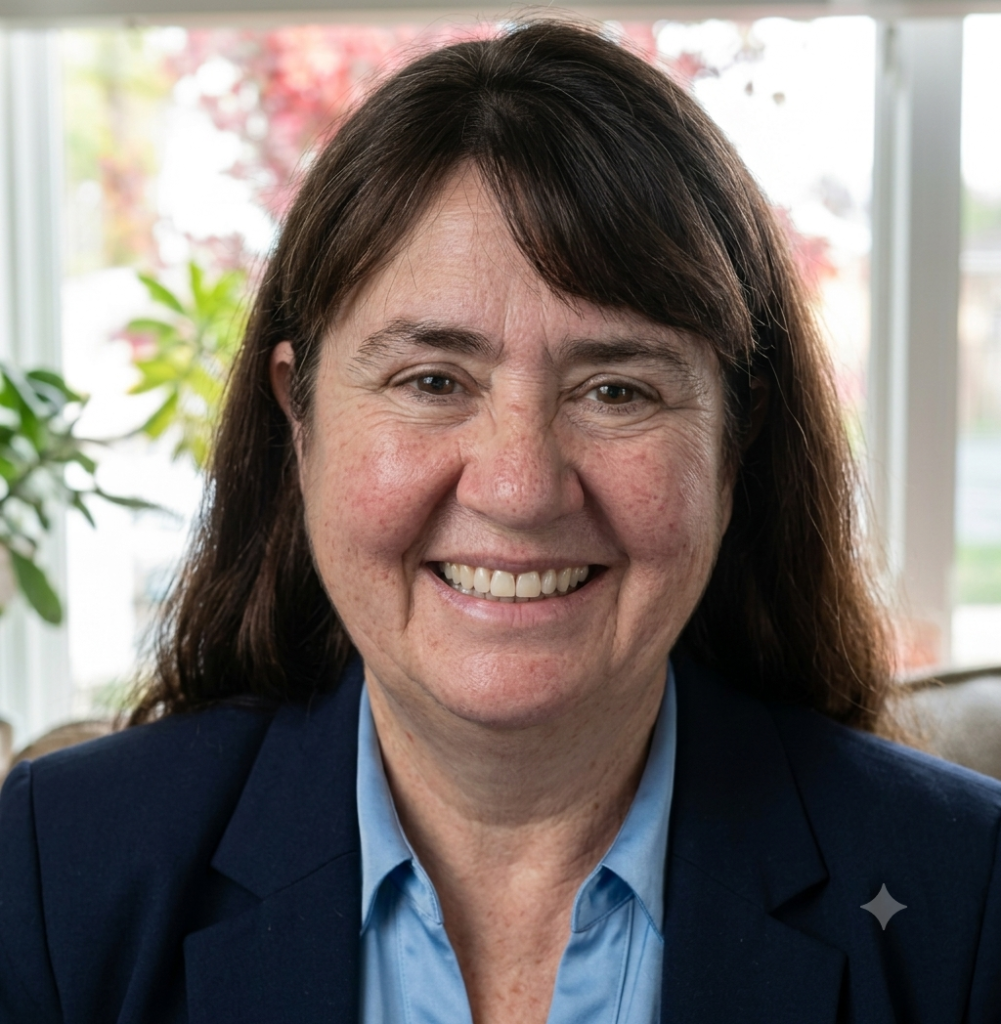
Owner at Break Room Therapy
Dawn Levian is the owner of Break Room Therapy, a unique rage room attraction that offers visitors a therapeutic and cathartic experience through controlled destruction. Her business sits at the intersection of entertainment and wellness, giving guests a safe and supervised environment to release stress, frustration, and pent-up energy by smashing objects in a specially designed room. Break Room Therapy has found a loyal audience among people looking for an unconventional way to decompress and have fun at the same time.
Dawn built Break Room Therapy around the idea that sometimes people need more than a yoga class or a spa day. The concept resonates strongly with corporate groups looking for team-building experiences, couples looking for something different to do together, and individuals who simply want to let loose in a way that everyday life does not allow. Her venue provides all the safety equipment, the items to smash, and the cleanup, making it a completely turnkey experience for guests.
As an attraction owner, Dawn has navigated the unique challenges of running a business that is both a physical activity venue and a therapeutic concept. She has built her brand around the idea that it is okay to feel your feelings and that sometimes the most healing thing you can do is break something. Her marketing leans into the emotional and cathartic side of the experience, which has helped Break Room Therapy stand out in a crowded entertainment market.
A fun fact about Dawn: the concept behind Break Room Therapy is rooted in actual therapeutic research that suggests controlled destruction can help reduce cortisol levels and provide genuine stress relief, making her business one of the few entertainment venues that can legitimately claim a wellness benefit.
Dawn Levian, Owner of Break Room Therapy, shares how her rage room attraction became a genuine wellness destination for guests seeking cathartic stress relief. Watch the full episode (43:04): https://www.youtube.com/watch?v=4ZxcmR8LnRc
[0:00] Hey everyone, on today's episode of attractions insights, we are talking with Don Levian, owner of Break Room
[0:07] Therapy in Byron Center, Michigan. Don discovered rage rooms in 2019, fell in
[0:14] love with the concept and opened her own space just 6 months later. What began as
[0:19] an outlet she hoped would help her husband has evolved into a health
[0:24] focused experience serving thousands of guests. Most of them is women who come
[0:30] to release stress in a safe, fun, and empowering environment. Breakroom therapy isn't just about breaking
[0:36] things. It's about emotional release, community, support, and creating a judgment-free space for all ages and
[0:44] backgrounds. So today we go going to dive into how Don built the business,
[0:49] why alternative therapy matters, and what it takes to keep a unique experience thriving for multiple years.
[0:56] So let's jump in. So please tell me uh how did you first discover rage rooms in the first place? In 2019,
[1:03] I was looking for an outlet for my husband and I posted in a group that I'm in just basically begging for some help
[1:09] for a space for him to kind of just let go. and somebody told me about rage rooms, but at that point the closest one
[1:17] was over on the other side of the state. So, I couldn't just put him in a car and surprise him. I told him what I was
[1:24] thinking about doing, but he didn't have any interest. I was a foster kid growing up, though, and I've gone through a lot
[1:30] of abuse in my life and different um other things that have happened. So, the idea of physically letting go really
[1:37] connected with me. And even though he wasn't interested in going, I was interested in bringing the idea to the
[1:43] um to our area. C can you tell us a little bit more what you were going through and why you you
[1:48] were thinking that uh Ridge room can be a good solution for it? My husband's just the typical stressed
[1:55] out husband who just has a lot on his plate and he's Persian and um Polish,
[2:01] you know, just wrapped a little bit tighter than, you know, maybe the average calm person. Um, and he just
[2:07] carries a lot of the world on his shoulders. So, I was just looking for a space that maybe he could just kind of
[2:12] let go of some of that. He's a very empathetic person and he just feels like the whole world is on his shoulders. So,
[2:18] I was just trying to find a space for him to let go and that wasn't for him. But, he 7 years later completely
[2:24] understands how this helps other people and he supports the business. It's just not something he wants to do. I had
[2:30] looked at the other rage rooms in the United States and before even, you know, wanting to take him to one and just the
[2:35] whole idea of just physically being able to just break something and release all the energy of something that you're
[2:42] holding on to and cry and scream and something about it just really spoke to me on everything I've gone through in my
[2:48] life. When I told him that I wanted to take him to one, it was because I really felt like that could be something that could help. But when he said he didn't
[2:54] want to go, I said, "Okay, but here's the problem. If you don't want to go to one, I understand that and I won't, you
[3:00] know, make you do something you're not comfortable with, but I want to open one in the area. We don't have one here. Um,
[3:06] I could really see a lot of mental health um, benefit of bringing this to the area, and the closest one is 2 hours
[3:13] away. I just I'd never connected with something so deeply to the core of who I was so fast. So, Super Bowl Sunday of
[3:23] 2019, he watched the game and I started building a website and a a business plan of how can we make this happen. What's
[3:30] it going to take? And just looking at all the details. Um, he said, "Make it
[3:36] happen and I'll support you." And 6 months later, we were open. Wow. What kind of background do you have
[3:42] that you had this capability of just put a business plan together and execute?
[3:47] That's the most important part. I think most of it was just really finding something I really believed in. It
[3:53] wasn't just looking at a business and going, I think I could do that. It was, like I said, something just spoke to me
[3:59] about the whole idea of this. I've had lots of different jobs in my past. I I've worked in the nursing field. I've
[4:06] worked in the um cemetery industry, like helping people after they've lost loved ones. I've worked in hospice. I've been
[4:12] an auditor. I had some of that financial background there. I've had a lot of different things, but most of them
[4:18] always centered around helping people in one way or another. So, I think a part of me has always wanted to kind of help
[4:24] people's lives in a way that would be meaningful. And when I found out about
[4:29] Rage Rooms and we made the decision to open one, it just it really spoke to me.
[4:34] I would spend hours um looking at other um businesses on how they were open,
[4:40] what they were doing, what rules they had, what tools they were using, what hours were they open, what things were
[4:46] they breaking, like just looking at all of them and kind of coming up with like how did we want to operate, what do we
[4:51] want to do? Some of them are open in my opinion, not just to be open. Some of
[4:57] them really focused really deeply on providing a mental health space, a space
[5:02] for people to physically go let go of what they're holding on to. And even if they were coming for fun reasons, you
[5:08] know, maybe they've still had a rough week. So, I really loved the idea of just providing a therapeutic value to
[5:14] what they were doing and not just only a fun value. And I think that's what helped keep me committed to the passion
[5:20] of the ideal. Interesting. For everyone who is watching right now and they just
[5:26] planning to open maybe their first business, can you walk us through the steps that you had to go through?
[5:32] I looked to see what other kind of business resources there were in my area and some of these resources don't
[5:38] specifically exist everywhere, but that doesn't mean that something like that couldn't still exist for somewhere close
[5:43] to you. We have the Small Business Association of Michigan that helps entrepreneurs. We have SCORE, which I
[5:50] don't remember what SCORE stands for, but it's also a business entrepreneur um startup organization. We have something
[5:57] called Spring GR, which is a localbased thing like that in the in the your local
[6:02] chamber. So, I just reached out to as many different organizations that help entrepreneurs as what they as what I
[6:09] could because I figured you don't know what you don't know. So, I reached out to them, told them what my business idea
[6:16] was. I, you know, I said, "I'm going into this, you know, as the only one in the area. Here's what I've done with all
[6:21] of my research." Kind of like laid it all out as like here's my business plan. I listened to them so extensively
[6:27] because like again, you don't know what you don't know. What do I need for rules? What do I need for insurance?
[6:32] What do I need for safety? What do I need for, you know, liability insurance? Is there a height requirement for, you
[6:39] know, my building? just basically just taking everything because it's not like I could just take previous experience
[6:45] from another job. The caring aspect was there and the accounting aspect was there and the marketing aspect from
[6:51] previous jobs, but actually running a business that didn't exist in our area, that experience was not there.
[6:59] So reaching out to business coaches and just having them help me walk through all of this and being open to the idea
[7:06] that even though this was my idea and we were kind of creating the blueprint as we went that other people might have
[7:13] ideas on how to make this as amazing as possible. You went through this initial stage of
[7:19] exploring and understanding the local market and understanding the rules and regulations. Did they help you with
[7:26] raising money or how did you find this uh build out? Numbers have definitely changed from
[7:34] 2019 to what they are now. I knew that opening a business in itself is kind of
[7:39] a big risky adventure. We um decided to do this as as big but yet as small as
[7:46] what we could initially. So in initially we had a smaller location than where we are now. I wanted to start off in
[7:52] something that was more manageable rent-wise, more manageable location-wise, just kind of test the
[7:58] market and make sure that what we had was a viable option. Also only did like a 2-year lease on that space because I
[8:05] also didn't want to commit to something that, you know, maybe we were biting off more than what we could chew. At that point, we had only received a small loan
[8:12] um kind of based off my own personal credit, but under the business name. So, it was a business loan, but it was based
[8:17] off of my credit since we didn't have business credit yet. And the amount that we took that loan for would not do as
[8:24] much now as what it had done seven years ago. But again, we were in a smaller space then than what we are now. After
[8:30] testing it out and seeing that, you know, yes, this is a viable thing. People are going to want to come. And
[8:37] also, COVID quickly proved to us we needed a bigger space than what we had. We actually took the idea that we had,
[8:44] the fact that it was starting to grow and moved to a a bigger space only about a half mile down the road. And at that
[8:51] point, we we're in a much bigger space now than what we were when we first opened. Wow. So, you not only open original
[8:57] location, but then you actually had to move to the bigger location and repeat it again. You build do a complete build
[9:03] out again. Correct. Wow. Okay. And who is in your team? Were
[9:08] you doing it yourself? husband was helping you or you hired the construction crew.
[9:13] That's the one advantage of networking and also just never stopping to make connections with people that you run
[9:19] into. We have a friend of the family who is a contractor who I could sit down and
[9:25] you know come up with this crazy blueprint because again it's not like we had a blueprint from another existing
[9:31] business to go and you know look at what they were doing. we could only look at other websites and we sat down and
[9:36] mapped out this really strong buildout because we took the warehouse space and
[9:42] then kind of built our own space within that. That way we weren't going to be destroying like the walls of the space
[9:47] that we were renting. Want to leave it as good when we leave as when we moved in. But my contractor friend and I uh
[9:54] came up with a really good working plan for the buildout and I just kind of ran
[10:00] with it. initial stage is done uh where you did a build out. Now, what about
[10:05] processes? How did you know what kind of booking system to use? How did you know like where to hire people and how to
[10:12] train them? Yeah. So, again, that just goes back to researching all of the other rooms that
[10:18] I could find in the United States. And one main fact I was finding on a lot of them was once you got through their
[10:25] website and you actually started booking. I was finding that a good chunk of them was using a company called Fair
[10:30] Harbor. So then I just started looking at Fair Harbor and looking at their platform, what they offered, the back
[10:35] end of it, how userfriendly it was, you know, what their fees were. And my
[10:41] honest thought was all of these businesses are using this company that must be working for them. let's have a
[10:47] one-on-one with them and see if what I want to do they could make work for me. And we've been with Fair Harbor for
[10:53] seven years. They're a great booking platform to the point that I even recently went all the way out to Vegas
[10:59] to a conference they had, you know, just to learn more about what we could do with our business. But yeah, basically
[11:05] just scoping out all the other businesses on what they were doing and how we could also make that work for us is kind of how I made our own blueprint.
[11:12] Nice. And now hiring. So, have you been working there yourself or did you have
[11:18] to go through the hiring process? And if you had hired people, how did it go?
[11:23] In the very beginning stages, we tried to keep things as minimal as possible. So, in the very beginning stages, it was
[11:30] my husband, myself, and then a friend that would help us run the business while we were just growing and trying to
[11:37] keep costs as low as possible. After a while, we said, "Okay, we can't keep doing this ourselves." So my husband was
[11:43] a softball coach. So we have a lot of graduated students in the area that we could reach out to see if they wanted
[11:50] any part-time jobs. The advantage slash disadvantage was that they I wouldn't
[11:55] have had anybody that had had quote unquote experience, but as long as they were hardworking, they were people orientated, they could clean a room,
[12:03] follow simple directions, we figured we could train them. It's maybe better to take somebody that has no experience so
[12:08] that you could give them that experience versus trying to undo a whole bunch of bad behavior. So, I was kind of happy that we were starting off with something
[12:14] fresh that nobody had experience in because we could show them what we needed. We've gone from just the two of
[12:20] us running it to now a team of 12. So, still small, but it's 12 of us running
[12:27] it now. That's beautiful. Tell us a little bit more about facility. We started off with two rooms at the
[12:32] original location. We have five rooms at the current one. The other one did not have a separate safety room and a
[12:38] separate office or entrance area. This one does. And this one, um, our current location also has an upstairs area that
[12:45] gives me like a break room, but an actual break room, not like a rage room. And then also, um, my husband has his
[12:51] own podcast that's upstairs in the upstairs area. Square footage, I think we're hitting like 5,000 square ft. It's
[12:59] a pretty good space. We are only a rage room. Um we uh do open up the space. We
[13:05] we've started connecting with some other businesses that can use the space on the off days. So we have a sound bath
[13:11] individual that's going to come out there. The customers are going to come in and break their stuff with us and then go um get calmed down and go to a
[13:18] sound bath. We host a pride event every the last Sunday in uh June every year.
[13:23] So and we've also used the space for like networking purposes. But in general on a businessto business we are only a
[13:30] rage room. We do one thing and we do it very well. And you mentioned that majority of your
[13:35] clients is the woman. That one shocked me. Um and and I think it shocked me only because again I was
[13:41] looking for an outlet for my husband. So my focus was like, hey, you know, maybe this would be something guys would go
[13:46] to, but the more I do think about it, it does make sense to me as a human and
[13:52] just as a woman in general that we would have more females that come. And I think
[13:57] the best example for why is the Serena Williams commercial. If you and I are in the same room and you start raising your
[14:05] voice and you start getting exasperated about whatever you're talking about, you're going to be seemed as somebody
[14:10] that's passionate, somebody that's caring, that's somebody that's really dedicated to whatever it is that you're talking about. But if I'm using the same
[14:16] words and the same tone, all of a sudden people are going to look at me negatively. Um, I'm psycho, I'm unhinged, I'm crazy, maybe I'm having my
[14:23] period. Um, maybe I need some sleep. Maybe I, you know, maybe I need to eat. It's going to be something negative.
[14:28] Women in general are not allowed. I'm not saying always, but women in general are not allowed to voice themselves or
[14:36] express themselves unless it's happy emotions. And we also have to carry a lot on our shoulders. That doesn't mean
[14:41] that men don't carry a lot on their shoulders, because they definitely do. But for whatever reason, I just don't
[14:47] think women get the same freedoms to voice themselves in the same way that a man can. And at our space, you can come
[14:54] in and cry and scream and swear and throw something against the wall and not be judged for whatever it is that you're
[15:00] holding on to or whatever life has brought you that week. And they can just let go and it's okay.
[15:07] That makes sense. Now tell us about your prices structure like we break glass and electronics. So any
[15:15] types of glass items, vases, liquor bottles, plates, cups, dishes, basically
[15:20] anything glass. And then we also break electronics. We do not break CRT TVs or
[15:25] any TVs that have mercury, but any other electronics are safe. We help anybody 13 and up, but anybody 13 to 17 has to have
[15:32] an adult present. Doesn't have to be the parent, but must be an adult present. And we have sessions anywhere for an
[15:38] individual just to come in and um you know have their own session by themsel or we have groups of up to 25 people.
[15:45] Our standard groups are two, three or four people. And we've kept our pricing structure the same since the day that we
[15:51] opened in the fact that if you're coming for a group, whether you come with two people, three people, or four people,
[15:56] it's the same cost, which I think makes it really nice for people because they can have up to four people in their
[16:02] package and it didn't change that cost whatsoever. Now, when we start doing the larger groups, those ones are a
[16:08] different pricing structure, but we also offer different things with that that package. And then our packages go for an
[16:15] individual they start at $30 and for a group of two, three or four people it starts at $50 for the group. We have
[16:22] more expensive packages but we try to keep you know packages very reasonable for people so that you know they can
[16:28] come in or we also have a bring your own breakables where you are the one
[16:33] supplying everything. We just fly the room, the safety gear and the cleanup and that's a cheaper package because you're the one supplying the items that
[16:40] are going to be broke. We allow every package to bring 10 pieces of glass with them for free to their own package. And
[16:46] it's interesting cuz sometimes you'll have like a breakup that's happened or a divorce that's happened or somebody's
[16:52] mad at somebody and you know that's that was something that they got for a gift so they bring those things to them. U
[16:58] and a lot of our packages do take advantage of the fact that we allow them to bring those 10 pieces of glass with them for free. And then the be the bring
[17:05] your own breakables package. We probably have three or four of those every weekend where somebody, you know, had
[17:11] just just saved up a bunch of glass or collected some glass or for whatever reason they have received a bunch of
[17:16] glass and they didn't have anything else to do with it except for they wanted to get rid of it with us. One now in
[17:23] regards to like you asked if we break anything that another company doesn't. That's kind of a hard hard question
[17:29] because currently right now we are still the only regum in West Michigan. So, I don't really have another one to compete
[17:35] with as far as like what they offer or what we don't offer. But what I can say that kind of sets us apart from other
[17:42] rage rooms is we've always from day one tried to be as sustainable as possible. Our cardboard boxes from our deliveries
[17:49] my employee takes down to the recycling center every Wednesday. The plastic bags that come from like say like our liquor
[17:55] bottle pickups or any other reason that we'd have a plastic bag. We take that down to a local store that does plastic
[18:00] recycling. The metal from the electronic packages we take to the scrapyard every Monday so that they can get recycled
[18:06] down. But we bought a glass pulverizer two years ago now and we take that
[18:11] glass, we crush it down and we turn it back into sand so that we can try to crush and uh reuse as much of that glass
[18:18] as possible rather than it all going to the landfill. So we might not break something different than another rage room, but we do try to be as sustainable
[18:25] as a business than maybe somebody else that just throws everything away. And you mentioned electronics. What kind
[18:30] of electronics? Uh, printers, keyboards, speakers, radios. How do you source all of this different
[18:37] items? That question gets asked every time. We work with a lot of local thrift stores
[18:43] in the area. People donate things that they think will sell and it doesn't. And rather than the thrift stores trash bill
[18:49] going up because now they have to throw it away, we receive it from them in bulk. And we um buy it from them in bulk
[18:56] to keep our cost down, but also to help them as well. And then we also work with a lot of restaurants in the area getting
[19:02] their liquor bottles and wine bottles from them. So there's a lot of connections that we've made within our community reaching out to the either the
[19:07] different thrift stores or the different restaurants. We do accept donations from people as well, but the amount of
[19:14] donations that we receive versus the inventory that we have is minimal. It's just a lot of good connections that
[19:19] we've made within our community. How big is your storage? because you probably have a lot of stored items you
[19:25] need that you need to keep in order to keep up with the demand. Behind the rooms, we have a whole bunch
[19:31] of space behind them that we keep stuff, but we also have three storage units just down the road. One has primarily
[19:37] electronics and the other two is filled with glass because every time that we have a session, we're obviously now
[19:42] needing to replace that. We've got really good at kind of taking after squirrels and putting stuff away until
[19:48] we need it. I'm sure some people would be interested to know. This sounds like it's insurance is going to be very
[19:55] expensive. H insurance is definitely not cheap and we make sure that we specifically follow
[20:01] all of the insurance rules that they set for us. We don't budge on that whatsoever. I have recently learned
[20:07] there are some uh rage rooms that uh don't necessarily follow the insurance's
[20:12] rules and they just get their own liability to cover themsel in those cases. But I believe insurance is there
[20:17] for a reason. And we follow the rules that they give. Like for example, you know, tennis shoes are the required
[20:23] shoe. No sandals, no flip-flops, no Crocs, no ladies flat, no heels. And if you're wearing the wrong shoes, you're
[20:29] going to either need to rent a pair of ours or just not participate. I don't care if your 9-year-old thinks this is
[20:34] great. If insurance says 13 is the minimum, 13 is what we go by. And how we
[20:40] found that was interesting because I was an insurance auditor before and I went through my book and I couldn't find a
[20:46] single code that would ensure a rage room or ax throwing or any of those types of like-minded businesses. So just
[20:54] making a lot of phone calls within the insurance industry and then also reaching out to to some of the other
[20:59] rage rooms in other states to ask them if they would be willing to tell me who they were insured through so that I
[21:05] could make that connection because there's not a lot of them. primarily because there's not a lot of us in the
[21:10] industry to begin with. So, there's not really a big insurance need or code for it currently either, but it's not cheap.
[21:17] If you want to share their name, uh, you're more than welcome because people are looking for insurance companies for
[21:23] rage rooms. Well, we use a local one named Warest, Wes SS, but I don't know if they insure
[21:30] people out of uh, their state. We're in Michigan, so I don't know if that would help anybody else, but that's who we
[21:36] use. Okay, now let's shift our attention to something that I think dear to you.
[21:43] It's not only a reach room where people come in and just break items, but it's a
[21:48] mental health side and therapeutical side of this business. Tell me more
[21:54] about this. Yeah. Um, like I said, I I can't speak for why other rage rooms have opened,
[21:59] but I know that what we do is we focus a lot on the mental health part. We provide a board that they can write down
[22:05] how they feel before their session if they want with no censorship whatsoever. They don't have to write on the board,
[22:10] but they can. We also have a board that they can write down how they feel afterwards. And we also have a marker in the room that if they want to write down
[22:17] the things that are making them mad or sad, frustrated, hurt, whatever feeling they're, you know, going through, they
[22:22] can write those things down. We work with a lot of therapists in the area and some of them even come to our facility
[22:28] with their clients and do their session with their clients at our facility and
[22:33] we encourage people to, you know, even if they're there for a birthday party, maybe you've still had a rough week and
[22:39] just to acknowledge those feelings. I even will go out of my way that if I see um a male in the group of people, I'll
[22:46] look at them and I will tell them all genders have feelings. Because what I have learned is men might be able to
[22:52] express their feelings, but I feel like they feel more okay to express an anger feeling than they do maybe a hurt
[22:58] feeling or a sad feeling. But it's okay to have both of those feelings. We are all human. We all go through life. We
[23:05] all have different things that either hurt us or excite us. And we just provide that space to just let go and to
[23:12] stop holding on to things because holding on to it is not going to do you any good. I can't make your loved one
[23:18] not have cheated on you or not have broke up with you or your job not suck or the things that are hurting you. I
[23:24] can't make those things change, but hopefully I can provide a space that you're not holding on to it for a while
[23:29] and you're just giving you yourself that space to kind of let go for a little bit. Do you market them in in any special
[23:35] way? Well, we try to reach out to different local therapists in the area and let them know that we exist so that they can
[23:40] come and um check out the space and see it for themselves. I will offer them an opportunity to kind of walk through so
[23:46] that they can see the space before obviously suggesting it to their clients. Word of mouth is huge. So a lot
[23:52] of those connections I kind of made during different chamber events as well. But a lot of our social media posts I
[23:59] will make sure that we are focusing on the mental health part of it and letting go. We, you know, obviously sprinkle in the
[24:06] fun ones and the bachelorette party ones and the bachelor parties and birthday party posts as well, but we try to
[24:12] market a lot of just, you know, speaking because you don't know who's going to see the ad. Maybe it is somebody that,
[24:17] you know, has been looking for a different way. And talking is great. Going to therapy is great. I even have a
[24:23] therapist. My husband has a therapist. And even just, you know, saying that out loud sometimes will let people know that
[24:28] them going to therapy, that's okay, too. But sometimes it takes more than just talking. Sometimes you need to let go
[24:34] for more than just what you're, you know, thinking of. You need to physically let go. And so we will
[24:40] express that to you. What forms of marketing works uh best for your business. As far as paid marketing, we've wrapped
[24:47] our vehicle so that no matter where it's driving around the area, people can see that and that's a lot cheaper than a
[24:52] billboard that you, you know, can only have in one stationary spot. So I think wrapping of your branding of your
[24:58] vehicle is pretty important. But we also do Facebook ads and Instagram ads, Google ads, Google posts. We have a
[25:05] referral program because word of mouth is huge, too. People like to work with who they know, like, and trust. So, you
[25:11] know, we encourage people to tell their friends about us. And if somebody comes in because of that person, we give the
[25:17] customer um a thank you gift for their next visit. And we have a refer uh we
[25:22] have a membership card that every time they come, they get a stamp and after they fill it up, they you know, they earn something within the business as
[25:28] well. And as far as changes in your marketing strategy over
[25:33] the years, because you've been open more than seven years, have your marketing strategy changed and if so, how?
[25:39] Well, initially, like I told you, I didn't realize at first that my market was primarily going to be female. So, I
[25:45] think I was just advertising to, hey, whoever can find me. And now I try to drill down more a little bit more to
[25:51] most of the posts going to female, but obviously with a range of everybody as well. But my posts have just become,
[26:00] especially with where we're at politically, there used to be the whole thought that you don't involve your business with politics. And I guess
[26:05] there could be some argument there, but with where we think things are at right now, I personally want to spend my money
[26:11] in a business that I know that I can support and who I, you know, think are like-minded people. So we've been very
[26:17] open on where we stand with supporting the BIPO communities, supporting the LGBTQIA communities, supporting mental
[26:24] health on, you know, whoever is going through that that they have a space here. So rather than our post just being
[26:30] cookie cutter and screaming to the world, we make sure that we are speaking
[26:35] to people that maybe do need us most, that do need a safe space, and that they
[26:40] know that when they walk in, they're going to be safe, and that the only thing they might be judged on is how they act and not how they look or who
[26:47] they are or their age, their race, or their gender. We've been very specific on not being shy about who we are as a
[26:55] people because I think who you are as a people is who you are as a business. Coming back uh to idea with the rap wing
[27:03] your vehicle. Tell me how much it costed you and how effective do you think it is
[27:08] because I love this idea. I'm just wondering like do you have ability to track uh how many conversions you get
[27:14] from the rep? I don't know, maybe you have a different phone number listed on it or is there is a way for you to track, okay, this person definitely
[27:20] called. Or maybe they just call and say, "Hey, I saw your car. This is why I'm here." On our reservation system, it will ask
[27:26] them how they heard of us. But I mean, the reality is it takes several times of
[27:31] somebody hearing about your business or seeing your business or having it show up somewhere that sometimes when they
[27:36] put how they heard about us, it's not an accurate representation. For example, we will get times where people say they
[27:42] heard about it from a billboard. And we don't have billboards, but what I translate that to, they were driving
[27:48] down the freeway, they saw my van. My van is what they remember. And in their brain, it translated as a billboard. I
[27:54] don't have a different phone number on the van to track it that way. But I will get random photos from people like,
[28:00] "Hey, look at this van I saw." And they won't really realize that, you know, they're sending it back to me and you
[28:06] know that I'm the one seeing it. or I'll put or they will put that they saw the van and then they looked it up. But I
[28:12] just think even for myself cuz my car is wrapped and then the company van is wrapped. Even when I go places, I can
[28:18] hear people back behind me like, "Oh my gosh, did you have you ever heard of this place? There's a car outside." So I
[28:24] looked it up and you know, I can hear them talking. I'm like, "Yay, it's working." because now they're, you know,
[28:29] they saw my uh vehicle, now they looked up the business, and maybe now they're going to come as a company or as a customer.
[28:34] With the different platforms existing like Tik Tok, Instagram, Facebook, Google, what platform do you think
[28:40] provides you the best results as far as marketing? That's hard because it really just
[28:45] depends on where people are looking at the time. And truth be said, I probably should be on more active on TikTok than
[28:52] what I am because I know that people use that one. But I'm one person and I do all the marketing myself. Facebook has
[28:58] worked well for us, but so has Google, so has Instagram, so has Tik Tok. We have less engagement on Instagram than
[29:05] we do on Facebook. But I think honestly of all of the networks out there, I still think to this day, the best thing
[29:12] is just word of mouth. Being a really good business that people want to then talk about to then tell people to go and
[29:18] having that good experience speak for itself, I think is the best thing you can do. 100%. Yep. I agree with you. You've been
[29:25] in the business for a while. Have you ever experienced moment where you were ready to give up?
[29:30] Well, I mean, yeah, we opened up in June of 19 and we all know what happened in
[29:36] March of 20. Uh, with CO shutting you down for a few months and that was definitely a kick in the pants. If
[29:44] nobody opens a business thinking that, you know, they're going to be shut down a few months later. That was hard. But
[29:50] it's hard for me to complain about it when unfortunately there are some businesses that didn't make it and they're not on the side of it. And I can
[29:58] say that cuz I only did have one child. I have really have never wanted to give up. But there's moments that it
[30:03] definitely makes you question whether or not you're doing the right thing or if this is something you should keep doing.
[30:08] Honestly, even on the times I thought that this isn't what we should be doing. And I guess I will quote unquote get
[30:15] political for a minute when we received our current administration. I couldn't understand where we were at. I was mad
[30:23] at the world and okay, that's it. I'm moving out of this country. I can't believe this is where we're at. And in
[30:28] my head, I shut down the business seven or eight times that day cuz I was just leaving. Then we started realizing that
[30:34] I'm not the demographic that our current administration is going to go after. I'm
[30:39] a cis white female. I mean, I can't make babies. So, I mean, I guess I'm not productive in that way for them, but I'm
[30:45] not the lives that they were going to be hurting, but the customers that we have are the lives that they were going to be
[30:51] going after. And if anything, it made us more determined to be open so that we could be there for them. That first
[30:58] weekend after the administration took over, that feelings board confirmed for
[31:04] us, not that again, there was there was no doubt at all on whether or not we should be here, but that feelings board
[31:10] confirmed for us that we needed to be here. There were people definitely very upset about how things were going,
[31:16] uncertain of where things were going, and just providing them that space reconfirmed for me that we need to do
[31:22] everything we can to continue to be here for the Ariel. Have you had any mistakes that you made that taught you biggest
[31:30] lessons? Well, probably the biggest mistake, but it's not really a mistake. It was, you know, like I said in the very beginning,
[31:36] we were trying to keep things as minimal as possible with bills that were going out. And when you're the only one that
[31:42] has all the information, that's fine until you're the only one that has all the information and maybe can't be
[31:48] there. My husband got really sick shortly after we had opened. I couldn't be there all the time or couldn't be
[31:55] there in the full capacity of what I wanted to be. So, if anything else, that definitely taught me that I needed to have standing operating procedures wrote
[32:02] out or a blanket procedures in case I can't be there so that somebody else can pick up the slack and somebody else can
[32:07] be there cuz if I'm not there, the business still needs to exist. So, keeping all your information to yourself
[32:14] is one thing or thinking you can run it all is one thing, but you do need to ask
[32:19] yourself, what if I can't be there one day? whether it's for yourself or for somebody else that you need to be there for instead, you know, do you really
[32:25] want to shut down your business or do you want to be to have somebody else able to keep it going for you? So, that
[32:31] definitely taught us that even staff that we bring in, they get crossrained to do everything. I have staff that if I
[32:36] can't be there for whatever reason, they can do everything that Dawn can do because, you know, maybe I can't be
[32:42] there one day. I don't want to see the business ever get lost just because I was the one doing everything. So you
[32:49] have to learn to let go of you know responsibility at times. Is there is like any lessons that you
[32:55] learned that um you can share with us? Be willing to be a sponge and understand
[33:01] that even if you think you know everything about what it is that you're doing, you might not. And even if somebody gives you information, that
[33:08] doesn't necessarily mean that you have to use it, but maybe there's something that you can still take out of it and still learn from. I believe that we are
[33:15] obviously leaders in the industry in our area, but that doesn't mean that if I ran into another person that owns one in
[33:21] another state that I wouldn't still listen to them, you know, what they're doing because know I've been doing this for seven years, but maybe I could still
[33:28] learn from somebody. So, always be willing to learn and listen. And then just remember your why. I don't look at
[33:35] this as work most of the time. I mean, Saturdays can get kind of busy when you're, you know, doing appointment after appointment after appointment, but
[33:41] if you remember your why and why you're doing this, it makes it easier to do. So, make sure whatever you're doing is
[33:47] something that you enjoy and you love cuz it doesn't feel as much like work. You've been open for 7 years. How
[33:54] economy changed? How do you feel about 2026? Yeah, the economy definitely has
[33:59] changed. Even though we are a help for the area and even though we can provide that mental health release and mental
[34:06] health is very important and taking care of yourself is not selfish, taking care of yourself is very much needed. Um
[34:13] especially right now with SNAP benefits and wick benefits and the government shut down and I mean TSA is still not
[34:20] getting paid currently. Electric bills are up. Gas prices are like costs are up
[34:25] for everybody. People are definitely choosing on where they spend their money and what they're spending it on. So what
[34:30] we were maybe making 2 years ago is not what it is now because, you know, the world's not what it was 2 years ago. We
[34:37] just continue to just try to provide the best service that we can. So people still want to try to find ways to come,
[34:43] but you have to account for those slow times because they're definitely going to hit. You can't um you can't make the
[34:50] bills happen if you know don't you don't have the people coming in your door. Yeah. What's your long-term vision for
[34:55] the next five years? Where do you see your business? Well, we just signed a three-year lease, so hopefully still
[35:00] going. Ultimately, I'd like to get it to be where some of my staff members are the ones running more of the business
[35:07] and what I am running it myself that were continuing to be here in the for the community and that I'm getting older
[35:13] and my husband's getting older and I would love to just be to kind of pass down the veins to some of my staff and handing it over to them while I do more
[35:20] of the marketing and networking and operations. If we were to make another
[35:26] location, that might be something that we do down the road, but it would be not something immediately by us, you know,
[35:32] maybe reach into another state or something, but they would it would have to look very much like what we have
[35:37] right now. We've taken a long time to build the brand that we have, and it's a brand that the community trusts to be a
[35:43] safe space. So, it'd have to be, you know, van the same way cuz it's your name. How do you yourself manage stress while
[35:50] you're running a stress relief business? Oh, you mean like two months ago when we had a flood and everything was happening
[35:56] um to just uh stress you out and your friends are going, "Well, if only there was a rage room and you're like not helpful right now." Just being very
[36:03] honest about where you're at and knowing your capacity of what your battery is that you can hold at the time. So my
[36:09] husband and I have been very intentional in making sure that we are taking either small trips or taking time off for ourel
[36:16] to go to go to a Cubs game or do something that still makes us have happiness because you have to still take
[36:22] care of yourself. I will still go into the room and break stuff too, but that's different now that I'm the one that owns
[36:27] the inventory. What is the biggest uh cause for the stress in your business? I feel like I
[36:35] spend a lot of time putting into the business and there's so much out of it out of my control. You can advertise as
[36:42] much as what you want. You can run the business as great as what you want, but you can't necessarily make people come
[36:48] and that's just the uncertainty. I look at the numbers all the time. I look at,
[36:53] you know, our sales, our operations, our staff. I love my staff to pieces and I
[36:58] want to continue to be there for them. So, it's just a lot of weight because it's not just my life anymore. It's great to grow to a point where you have
[37:05] staff, but now my business also affects somebody else's life and you don't want to lose it. That's just that's hard.
[37:12] It's not only affecting me or not only affecting my husband, it's affecting other people's lives. If we make it,
[37:18] great. If we don't make it, now I'm hurting them, too. But so far, we're still here.
[37:23] Yeah. Um, can you share with me something crazy that happened at your location
[37:30] that kind of stuck in your mind? I have a few. I don't understand the
[37:35] ones where it makes them want to be with their partner and start a full-blown makeout session. Breaking stuff to me is
[37:42] not what would quote unquote turn me on. So, that's always interesting when we look up at the camera when we can see. I
[37:48] mean, clothes stay on, don't get me wrong. It's not like it becomes, you know, uh, R-rated or anything, but when
[37:53] all of a sudden you look and you're like, "Oh, that's why nobody's breaking things cuz they are now kissing and
[37:59] making out." Cool. Do you? That one I just don't understand. But hey, otherwise I I I I don't think I've
[38:06] really seen anything that's, you know, thrown me out for a loop. I think the things that most kind of just give me
[38:13] the repurpose of what we're doing are the sessions that you know that when they walked into that room because again
[38:19] they can write down why they came if they wanted to but they don't have to tell us why they're coming. But the ones that you know that they're just going
[38:25] through so much and you can feel it in the way that they're carrying themselves and you can see it in the way that
[38:31] they're talking to you but as they're in the room you can hear like the scream getting less and less or you can hear
[38:37] the anger getting less and less and they walk out. so tired. That was just that just I love seeing that. I love seeing
[38:44] the transformation of hey, we made a change. We helped somebody's life. Do you can you share any examples when
[38:50] you saw uh somebody going through the healing process or they expressed that it it deeply helped them after the
[38:58] session? We've had quite a few of those experiences. There was one couple in particular that the first few five or
[39:04] six times that they came. I could not figure out what I needed to do to connect with one of the partners. That
[39:10] particular partner just was always quiet, reserved, and then we started figuring out, wait a minute, they're
[39:15] coming here for marriage counseling. They're coming here for their own marriage therapy. It's not me that they're mad at. They're just mad at like
[39:21] either the world or their marriage or whatever. And then by session six, seven, 8, nine, as it kept going on,
[39:28] they started opening up more and more and more and you're like, okay, we're actually making a change in their marriage. And then you would see them
[39:34] walking in holding hands rather than walking in distant from each other. That was a transformation that all of my
[39:40] staff was like, "Hey, did you notice they're talking?" Because again, you don't know what people are going through before they walk in your door. Even if
[39:45] they gave you a small little snippet on the reservation, you still don't know everything that they're curing with them. You just have the impression of
[39:52] what you think is happening. But when all of a sudden that you could see them as a person start to change and evolve,
[39:58] that's exciting. We have a girl that her coach was abusing her, sexually abusing
[40:05] her and using that kind of over top of her playing time and she was not she did
[40:10] not tell any family members for quite a while until I don't even know I don't
[40:15] know what why or when she finally did tell somebody though I'm very proud of her for telling somebody cuz abuse
[40:21] should never be something that is kept within. I hope that somebody does eventually tell somebody when they're
[40:26] being hurt. But the first few times of that particular person coming, I think they needed permission to feel. And when
[40:34] I told her that she could cry and scream and swear and be as loud as what she wants, her eyes just got huge. It was
[40:40] just like she just needed that permission. And those first few screams, you could feel what she was going
[40:47] through. And then they got less and less. And the next time she came, she screamed less. And the next time she
[40:53] screamed, she came less. And then the next time she came, she just brought a friend just because she thought it would be fun for the friend. So her own need
[41:00] to be there had changed and that was transformative for me to see because you knew that you had made an impact in that
[41:06] person's life. Wow. Interesting story. How often people come back? That kind of changes. We have some
[41:13] people that come specifically on say like an anniversary of the passing of somebody's life kind of like a
[41:18] tradition. We have some people that come for birthdays in the their uh family members. We have some people that come
[41:25] once a month or once every other month. It really just depends based on either the need for that visit or maybe the,
[41:33] you know, ability to pay for a visit. We have sometimes that we see them quite a
[41:38] few times and then sometimes where, you know, it's maybe only once or twice a year. It really depends on the individual. No matter what it is that
[41:44] you're going through, remember that it's okay to not be okay. And even if you don't have a rage room available near
[41:51] you, you know, find a way to get out whatever it is that you're holding on to because it really is important to take
[41:56] care of yourself. And if there is a rage room near you, maybe check it out cuz my customers seem to enjoy it and I'm
[42:01] really proud to offer one in our area. What is your website and how people can find you? We're on Facebook, we're on Instagram
[42:07] and Tik Tok all under breakroom therapy. And then the website is breakroom theapy.com or my email address is
[42:14] dawnbreakroom theapy.com if you want to reach out and email me. Beautiful. Oh, what's an amazing
[42:19] conversation? Don is a powerful example of how an attraction can be more than an
[42:24] entertainment. It can be healing, expressive, and deeply meaningful to the community. Breakroom therapy shows that
[42:32] fun and mental health can coexist, and that giving people a safe outlet can
[42:38] change lives. If you want to learn more or visit breakroom therapy in Michigan, the link is in the episode description.
[42:44] If you enjoyed today episode, share it with another attraction owners or creative. And don't forget to subscribe
[42:50] on YouTube, Spotify, and Apple podcast. Uh want to be featured on one of our
[42:55] episodes, uh visit attractions.com. Thank you for listening and watching and
[43:02] see you in the next