Founder at Lexra
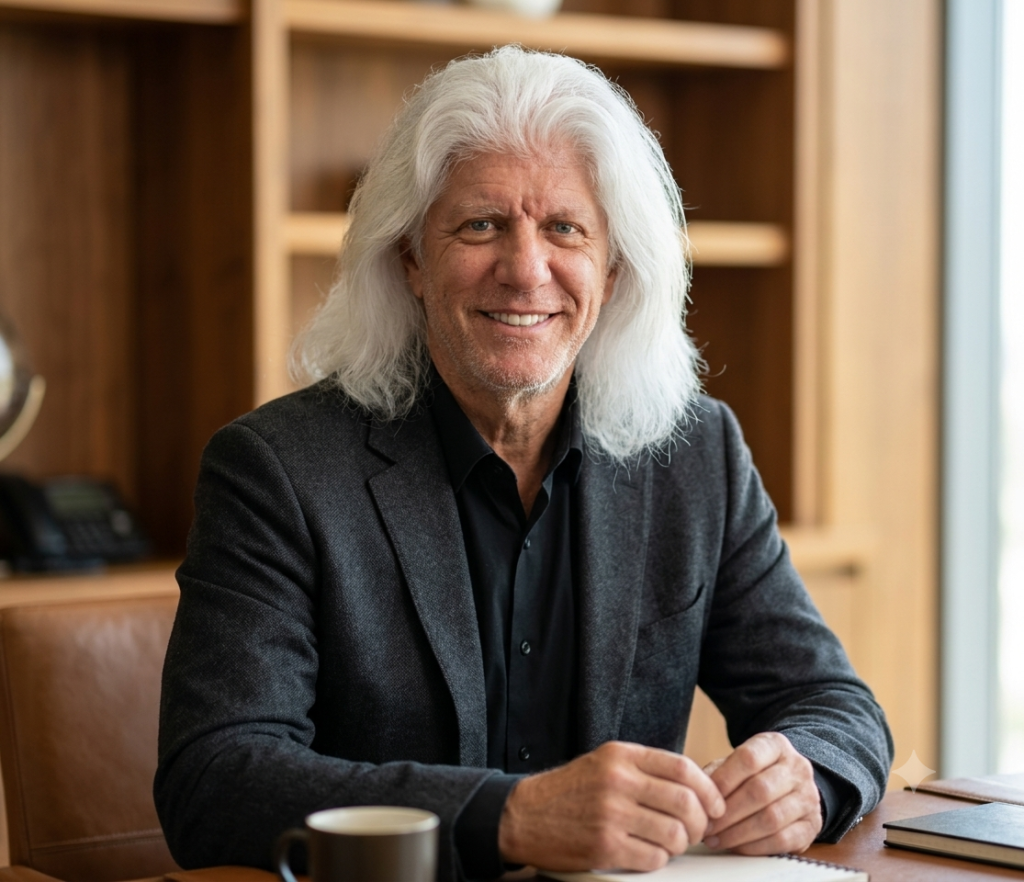
Bob Cooney is the Executive Director and Founder of Lexra, the global trade association dedicated to the location-based XR (Extended Reality) industry. Through Lexra, Bob connects creators, operators, and technologists to help push immersive entertainment forward. His work focuses on formalizing a platform for the location-based XR industry to collaborate, share best practices, educate the market, and create industry standards around safety, hygiene, and operational footprint to help operators grow their businesses profitably.
Bob has spent years at the intersection of technology and entertainment, becoming one of the most recognized voices in the location-based VR and XR space. He has worked with venues ranging from small independent operators to large entertainment chains, helping them understand how to deploy immersive experiences in a way that generates consistent revenue and strong guest satisfaction. His philosophy is that location-based XR succeeds when the entire ecosystem, from hardware manufacturers to content creators to venue operators, works together with shared standards and mutual support.
Through Lexra, Bob has built a community that gives operators access to vetted vendors, industry data, and peer networks that would otherwise take years to develop independently. He is a frequent speaker at industry conferences and a trusted advisor to attraction owners who want to understand the rapidly evolving world of location-based entertainment technology.
A fun fact about Bob: he has personally visited and evaluated hundreds of location-based XR installations around the world, giving him a ground-level perspective on what separates a thriving VR attraction from one that struggles to retain guests after the first visit.
Bob Cooney, Founder of Lexra, shares his deep expertise in location-based VR and XR, covering industry standards, operator best practices, and the future of immersive entertainment. Watch the full episode (56:43): https://www.youtube.com/watch?v=dj__3BYZfzg
[0:00] Welcome to Attractions Insights, the show built by attractions owners for attractions owners. I'm your host,
[0:06] Dimmitri Mihilof, and every episode we going behind the scenes with the creators shaping the future of
[0:12] entertainment. From escape rooms to massive family entertainment centers, from arcades to amusement parks, and
[0:19] from scrapy startups to industry legends. We study the thinkers, builders, and risk-takers who turn ideas
[0:26] into destinations. Here you'll get the real strategies on how attractions grow,
[0:31] how they market, how they survive downturns, and how they create moments guests never forget. If you're ready to
[0:38] level up your attraction, your marketing, and your leadership, you're in the right place. Hey everyone, on
[0:44] today's episode of Attractions Insights, we are talking with one of the most influential voices in location-based XR.
[0:52] Bob Kuni, executive director of Lexra, the new global trade association for VR
[0:59] and AR attractions. Bob has been innovating in this industry for more than 40 years, from running a mini golf
[1:05] and pizza shop in the 80s to funding Laser Storm, one of the world's first
[1:10] laser tech companies. Today, he's focused on connecting creators, operators, and technologists to help
[1:17] push immersive entertainment forward. With Lexra already approaching 500
[1:22] community members and multiple global initiatives underway, Bob is helping
[1:28] shape the future of localbased XR. So, today we dive into his journey, his
[1:33] passion for connecting people, and why he believes VR offers the highest value
[1:38] entertainment experience of our era. Let's jump in. So, Bob, you've been in
[1:44] the attractions world since 1984, starting with mini golf and pizza shop. What drew you into this industry so
[1:50] young? I was um I started out when I was 17. I opened my first pizza shop with my stepfather when I was in high school and
[1:56] so and worked in pizza restaurants in my teen when I was a teenager and so um so
[2:02] that's what I knew how to do and wound up going to college in college wound up delivering for Domino's Pizza to put
[2:07] myself through college and then got recruited got in their management training program and then got recruited
[2:12] to co-found a startup called Pizza Pronto in Tampa Florida and we opened a couple of locations in Tampa and I was
[2:19] the head of operations at like 20 years old. It was insane amount of responsibility for a kid. And um and we
[2:26] I was opening restaurants and we acquired there was a putt putt mini golf on Bush Boulevard in Tampa, Florida,
[2:31] which was the big chain of mini golf locations. Most of them were out mini golf was mostly outdoors. They were
[2:37] small locations. There were maybe a thousand putt putts. I don't know how many there were. And this one was struggling. And so we acquired it from
[2:43] the landlord and built a pizza kitchen in it and had a a pizza pronto. and we
[2:49] kept operating the mini golf course. And so that was my kind of first taste of location-based entertainment, which it
[2:55] wasn't called back then. And then I became a stock broker in Denver during the the Wolf of Wall Street penny stock
[3:00] era. And and wound up one of my clients introduced me to a company he was looking to invest in, which was trying
[3:06] to build a laser tag system. And so that got me into um I wound up acquiring that
[3:12] company um for myself and with a partner and we built Laser Storm which was
[3:17] really the first successful laser tag company to scale. We wound up in 230 locations in 30 countries. We were the
[3:24] num 251st fastest growing private company in America in 1995 and then took it public in a NASDAQ IPO
[3:31] in 96 and and so and we built our own we sold and licensed venues and we built
[3:36] our own operations. We ran 15 or 20 of our own stores at the height of it and and so that got me into the industry and
[3:43] I've been kind of on that bleeding edge of technology and location based entertainment ever since. Wow. Looking back, what were the biggest
[3:50] early lessons that shaped the rest of your career? So many lessons. I think one of the
[3:57] biggest ones is is how hard it is to scale a retail enterprise. Um, and you
[4:03] know, in a lot of companies that I see, and I still see this today, you know, you open a location and when that location is successful, a lot of
[4:10] entrepreneurs think, okay, I'm going to just keep doing this. If the first location's successful, it never enters into the equation. But then you get to
[4:16] the second location and the second location isn't quite as successful as the first one because you make a lot of assumptions about why the first location
[4:22] is successful. Um, and that sec second one is rarely as successful as the first one. And and and one of the things I
[4:28] always caution operators to do is really work hard on that first location to
[4:34] understand why it's successful before you take it into the second location. because my first laser storm that we
[4:41] opened was the most profitable store we ever opened out of 230 locations that
[4:46] I'm aware of. And so, and but we made assumptions. We looked at all the challenges of that location and why we
[4:53] thought it the next one would be better. And what we didn't do is focus on the amazing things that location offered us
[4:58] and why it was so successful. And because as an entrepreneur, you're always looking to improve. You're always assuming you're going to do better and
[5:03] better and better. And so, I see lots of companies get stuck when they open a second location. And then what it does
[5:08] is it drains the resources of the first one and they can get stuck there. And so that's that's probably one of my my most
[5:15] painful lessons of the early era. Very good insights and I know exactly what you're talking about as far as
[5:20] opening next location and you're expecting one thing but then it becomes something something different and you
[5:26] have to adjust. Yeah. You've been involved in so many different sectors, arcades, laser tech, VR, consulting.
[5:33] What ties all of these chapters together for you? Yeah, I think it's the application of emerging technology into
[5:41] experience, right? And laser tag was my first foray into that, but we also
[5:46] realize that the technology by itself isn't good enough. Like running around shooting blasters at each other is fun
[5:53] for a while, but how do you really capture the imagination of people applying the technology to an
[5:59] experience? And I see a lot of companies in this space focus on the technology and not necessarily on the experience.
[6:05] And as a marketer, you probably understand how important it is to sell the experience, not the underlying technology. And so everything that I've
[6:11] done in my career since Laser Storm was really bleeding edge tech using ultra bright LEDs and early digital analog
[6:18] conversion to build wireless networks of communication using infrared technology. In 1980 was really early to do that. And
[6:27] then very early VR from the early 90s through to to today mixed reality. I
[6:32] worked for ECAST which created the very first broadband connected jukebox to download any song from the internet and
[6:39] play it live in a bar. And so we were putting internet connections in bars in early 2000. So it's always been about
[6:44] the application of technology in ways that are customerfriendly that entertain lots of people and that's the common
[6:50] thread of everything in my career. Interesting. You mentioned that you have a passion for connecting people trying
[6:57] to figure out who needs to know who. When did you realize this is was your superpower?
[7:02] Yeah, probably not till a couple of years ago to be honest with you. You know, I'm really active on LinkedIn and and I'm constantly making connections,
[7:09] understanding what people's core competencies are, being able to identify what their needs are, and then through a
[7:15] vast network of connections, being able to connect the right person at the right time to the right person and company.
[7:20] And and I think it it's probably come from feedback from people that I do it to who have come back to me and said,
[7:26] "Bob, you're really good at connecting people." And I think that insight to me ultimately led me to start this trade
[7:31] association, Lexra, because that's I think part of the one of the challenges of the VR market in location-based
[7:38] entertainment is it's really fragmented. The ecosystem is is extremely fragmented and and I just last year I was at AWE,
[7:46] which is the alternate worlds expo, one of the big VR conferences in LA, and I introduced a guy named Rod Finley who
[7:51] has a company called Emotion. And emotion has been putting VR ride VR experiences in zoos and aquariums for 10
[7:58] years. They're in like 150 160 locations. And there's a guy Jeffrey Travis and Jeffrey Travis is doing
[8:04] seated VR theaters in standalone like museums and places like that for 10 years. Both of these guys are doing
[8:10] essentially the same thing in different markets. They both live in LA. They've
[8:15] both been doing it for 10 years and they didn't know each other existed. And and so I was like, how is this
[8:22] possible that you guys don't know each other? You're doing the same thing in the same city and globally. And so that
[8:28] was when I was like, we need to formalize some kind of a platform to bring people together so they can
[8:33] collaborate and share ideas and share best practice. So how does this passion feed into your work today with Lexra?
[8:40] I've been in and around trade organizations in this industry for decades. IPA is the big one that we all
[8:46] probably know. I've exhibited at that show almost every year since 1991. So 30
[8:52] plus years. I've been on some committees for the AA which is another trade association. I was a committee for ILA
[8:58] which was the FEC association that got acquired by IAP in the late 90s. And I've I've always struggled with trade
[9:04] assoc and the committee nature of things in trade associations. I'm more of a I'm
[9:10] I'm an entrepreneur. I like to just make decisions and get things done. And associations tend to be run by committee for good reason. And so I've always been
[9:16] resistant to working inside of a trade association. And and I think what happened to me through this work in the
[9:23] VR market and being kind of like an influencer and a connector um and as an
[9:28] informal role, I realized the value the trade associations really do bring
[9:33] despite some of the challenges um that I find personally. I think it was that that understanding that I need to create
[9:39] a platform that can ser that can go beyond just Bob Cooney being the guy. How do I push that out into the whole
[9:46] industry and so the whole industry pulls it together and can introduce each other and and kind of formalize and plat make
[9:51] a platform for this connection that I do? And so so I think it, you know, it got me to start a trade association last
[9:58] year which if you'd have asked me two years ago list a hundred things that Bob
[10:03] Cooney might do in in in his 60s, trade association wouldn't have made the list
[10:09] and and yet here I am. That's so cool. Is there is another trade associations for VR?
[10:14] Yeah, there's quite a few, but none of them are specific to LBE. And that's the thing that I find is the unique
[10:20] requirements of the location based entertainment market don't fit within the other associations. There's the VR
[10:26] which has local chapters, but virtual reality is being used for corporate training and enterprise training and
[10:32] military and police and it's being used for education. It's being used as as a
[10:37] tool in a lot of different vertical markets. And for LBE, it's just really a unique challenge that operators have and
[10:45] solution providers have and developers have. And and I wasn't finding any resources in any of these other
[10:51] associations that really fit the needs of of the location- based entertainment market and so decided that it was time
[10:59] for its own. And I also believe it's going to be massive. I think we're still in the very beginning of it. And if you look forward 10 or 15 or 20 years,
[11:05] locationbased XR entertainment is going to be a massive industry by itself.
[11:11] So you mentioning like AR, VR, XR for the people who is not familiar with the
[11:16] terms. Can you explain it? What's the Yeah, great question. So the term XR is one I didn't like and r never used until
[11:23] really for the last year and it stands for extended reality and it's kind of an umbrella term that covers virtual
[11:30] reality, mixed reality, augmented reality and I'll explain each of those really briefly. Most people are familiar with virtual reality. You put on a
[11:36] headset and you're in a virtual world. You can't see the real physical world.
[11:41] Everything is virtual. So it totally takes over your perception. Augmented reality is when you're looking through a
[11:47] see-through lens like glasses and you see the real world, but on that lens
[11:52] there are things called waveguides which place virtual objects into the real world. So you see virtual objects, but
[11:59] you're looking at the real world through transparent lenses. Mixed reality is kind of in that middle where you're you
[12:07] got a VR headset on and there's cameras that let you see the real world but through full color stereo cameras. And
[12:14] then the computing system, the virtual reality system is layering virtual objects into the real world but through
[12:20] the cameras. From a customer experience standpoint, it's really not very different. It kind of gives you the same
[12:25] impression. I'm looking at the real world. There's virtual objects layered in the real world. But from a technology standpoint, they're very, very
[12:31] different. technologies and so all of that and that's mixed reality and that's the thing that we're seeing now is the
[12:38] cutting edge within the the LBE industry for XR is is these new mixed reality
[12:44] attractions and it's the thing that I think has the most promise for escape rooms which I'd like to you know we'll get into maybe a little bit.
[12:50] Sure. You believe that location-based uh VR provides the highest immersive entertainment value per dollar invested.
[12:57] So in your 40 years of experience, what makes VR stand out from every innovation
[13:03] before it? Yeah, good question. And I and I want to preface this by saying when I started Lasertorm, I saw a company called Photon
[13:08] in the mid I didn't Well, when I built Laser Storm, I acquired the concept and then built it. I saw a company called
[13:15] Photon in the 80s that was building these like multi-million dollar 10,000 foot laser tech arenas with and I knew
[13:21] it wasn't a sustainable business. started out in the pizza delivery business where the unit of economics was, you know, a granle of cheese. And
[13:28] so, you know, you needed to run a profitable business. You need to understand the economics of the business. And and and so when I looked
[13:36] at when I did Laser Storm, my tool was a spreadsheet. Like I built Laser Storm from a spreadsheet looking at revenue
[13:42] per square foot, labor percentage. How do you optimize the number of people in
[13:47] a space to create the most revenue per square foot and the lowest labor cost you could running an attraction? And
[13:53] that's the thing that's been lacking from a lot of virtual reality attractions is this lack of understanding of how do you optimize
[13:58] revenue per square foot and how do you optimize labor and how do you optimize capex? And in the early days of virtual
[14:04] reality, the capex was really high. It was like zero latency came to market. I found them in 2015 at IP. I started
[14:10] working with them in early 2016. That system was like $700,000 to build a six
[14:15] player virtual reality attraction in 2,000 square feet. Today, that system sells
[14:21] for about 130 grand, give or take. Don't quote me on that. Um, so the prices of
[14:27] this stuff has come way down. But if you look at the core unit of technology that you have to buy to build a VR
[14:33] attraction, the Pico 4 Ultra Enterprise, which is the state-of-the-art headset in the market today, costs less than $700.
[14:42] That $700 headset is all you need to put
[14:47] someone into a virtual experience. Obviously, a lot of software, but the capex now that and that headset, you're
[14:54] going to rent out that headset when you sell the experience for $30 or $40
[14:59] for let's say a dollar a minute, right? That's the minimum price you should be getting for this stuff. That's $60 an
[15:05] hour. That's 10 hours. You pay for the capex of the headset. There's no other
[15:11] attraction that I've ever seen where the technology all you need can pay for
[15:17] itself on a Saturday. The and the experience that you give somebody when you put on a headset, you're taking them
[15:22] to another world. I just did this experience in Vegas built by a company called Felix and Paul out of Montreal. It's called Interstellar Arc and it's at
[15:29] Area 15. They just opened about a month month or two ago and they put a hundred people at a time in a 7,000 foot space
[15:36] for 45 minutes. It's a $60 ticket and I was traveled out into space 11 light
[15:44] years away and was on a space station for almost an hour with my friends and
[15:50] it was this amazing experience and all of that was on a Quest headset that cost 400 bucks. How do you beat that?
[15:56] Yep, that's a good question. But how do you compete with the VR that you can use
[16:02] at home? What's the difference between home VR versus like let's say VR as an attraction?
[16:07] Yeah. So, I think there's a couple of things to consider there. One is VR at home hasn't taken off. If you look at
[16:14] the sell through numbers of Quest, which is the primary headset that's in the consumer market, you know, maybe 10
[16:20] million headsets sold in the last year. That's globally and there's what, seven billion people. And so, very few people
[16:26] have VR at home. And then when you look at the stickiness of the headset within the home, the usage trends are really
[16:32] low. People buy it, they play with it, they put it away, and then they stop using it. And the primary reason for
[16:37] that is that it's just not a great product, to be honest with you. It's every time I try to use my Quest, I have
[16:43] to download new firmware. I have to do this, the batteryy's dead, the controllers need an update, and it can take 15 or 20 minutes to get into VR.
[16:51] When I want to play game at home, I pick up my Xbox, my controller, in 60 seconds, I'm playing. And so Quest has
[16:56] done a really [ __ ] job of building a consumer product that gets stickiness for gaming. And there's probably other
[17:02] reasons for that as well. And so the consumer market just isn't a market to be honest with you. It's not. It's like
[17:07] people used to say that in laser tag is, oh, why are people going to go outside to play laser tag when they could play
[17:12] laser tag at home? That was my number one objection I got in the laser tag business in in the '9s. And I don't have
[17:18] to tell you what happened there. Nobody plays laser tag at home ever. What is the biggest misconception operators
[17:25] still have about VR attractions? Yeah, good question. I was at IAPA this year and I I went to a breakfast with uh
[17:31] this put on by Pinnacle Entertainment who does feasibility studies for location based entertainment centers. George and how George McCulla founded
[17:38] the company. He was he was like my first customer at Lasertorm. So we've gone we go back almost 40 35 years. And there
[17:43] were there were 50 FC owners in the room and I asked them how many of you have had a really [ __ ] business experience
[17:49] with virtual reality? every one of them raised their hand. And so in America especially, operators got in early in VR
[17:55] in 2017, 2018. The technology was immature. It wasn't reliable. Then we went into the pandemic and I don't know
[18:01] if people remember, but we had these supply chain challenges where you couldn't get parts and so the headsets were unreliable. They were all used
[18:08] cables and backpacks. The cables broke. You couldn't get replacement cables. And these things just set dark. And then
[18:13] labor went through the roof. And because the systems hadn't optimized for ease of use from the operator standpoint, labor
[18:20] cost to run those attractions went up. And so a lot of American FEC owners that got into VR early had bad business
[18:27] experiences. And then they and they feel like I got burned and they don't want to look at it now. The technology now has
[18:33] gotten so good and so cheap and so reliable. There's no cables. There's no backpacks. There's no tracking cameras.
[18:40] Everything sits inside this headset. So there's almost nothing to go wrong. And you can run an attraction now where you
[18:46] could put eight or 10 people in. You can run it with one or two people during peak hours and get a lot of, you know,
[18:51] high revenue per square foot. Europe isn't having that. Europe's adopting VR like crazy. China's adopting location
[18:56] based VR like crazy because they're later to the game and they didn't suffer those early adopter pains that the
[19:02] American owners did. But I'm trying to get American owners to take another look at it right now with fresh eyes because
[19:08] they're going to miss out on one of the biggest hottest trends and the biggest money makers the industry's seen in a long time. Interesting. You know, it's funny that
[19:14] you mentioning it because years ago at escape room conference, I saw VR escape
[19:20] rooms and it's kind of like became quickly like big thing. People start talking about it and they were selling it. I think like 10 grand or 12 grand or
[19:28] something a pop for the one headset and computer and and few games. And I
[19:33] actually I jumped on this on this train and got the one set and set up and
[19:39] honestly, yeah, it was the worst investment ever for me. like I I never was able to recoup. I couldn't sell it
[19:45] for much at the end. I was charging like $5 just to get people to try it and
[19:50] people played, they enjoyed it basically, but it was it was just like again I couldn't make money on it and it
[19:56] was taking space. So at the end I just rem removed it and I I couldn't and few years later I couldn't even sell it. So
[20:02] I just did nothing with it basically. You nailed it. And let me So let me So let me let me tell you where that sit
[20:08] that industry sits today. Today there's a company out of Canada called VRcave. VR Cave offers a fiveplayer escape room
[20:15] package that you play five people in less than 300 square ft. They have nine
[20:22] different games that you play all in the same room. So, you just switch them with software, you know, on the computer.
[20:27] People can choose whatever game they want. They're in almost 300 locations now. They charge, I want to say, $3,000
[20:34] for the license, which protect gives you a protected territory, so somebody down the street doesn't have the same stuff that you have. They they take a revenue
[20:41] share based on based on you know how you know how many games you sell and the
[20:47] capex on that the total investment on that for five players would be less than
[20:54] 10 grand and you have nine escape rooms that you can play in one space and the
[20:59] customer satisfaction is through the roof and so that business has evolved dramatically since then and the company
[21:04] you might have worked with was probably called RV ARVI might have been because they're also big in the escape room business and they've moved also away
[21:11] from these cabled systems to wireless systems and um and are you know are much
[21:17] more efficient in the delivery of that. So you should take a look at it again. It's interesting. Yeah. You see I didn't
[21:22] know that it improved so much. What type of venues or markets are best positions
[21:28] positioned to benefit from location back based XR? That's the hardest question to answer
[21:33] and it's a really important question. One of the things that I noticed operators do is they see VR as a
[21:40] category by itself and they don't understand that within the category of VR, there's a lot of subcategories that
[21:47] are critical to understand to pick an attraction for your business. You just talked about escape rooms and escape
[21:52] rooms would be one of those. There's multiplayer shooters. There's big immersive destination attractions that
[21:59] you know really pre-ted where you sell tickets in advance and people get off the couch and they travel like zero
[22:04] latency or sandbox VR for an example where you you know you might pay 40 50 $60 for that experience um for a 30inut
[22:11] experience you know and that's a destination experience you know and there's VR water park slides and there's
[22:16] you know there's VR storytelling experiences that there's the one of the ones that that's been the most genre
[22:24] changing ing in the last 5 years is called Horizons of Kufu. It was from a company in France. They were called
[22:31] emissive. They've rebranded to Excurio last year and it's a 45minute walkthrough experience that's
[22:37] storytelling. It's not game. There's no gamification at all. And it takes you back into the days of when they built
[22:43] the pyramids and you get to go inside the pyramids in Egypt. You get to see an embombing. And so it's kind of like they
[22:48] call it they call them immersive expeditions and it's a touring attraction that's toured around the
[22:54] world. that's been to, I don't know, 20 or 30 countries. It's done $30 million in ticket sales over the last three
[22:59] years. They can put a hundred people at a time, 120 people at a time in about a
[23:05] 10,000 foot space. Lots of people going through it. Um, and that, you know, that
[23:10] can be a touring exhibition. It could go into a warehouse. I know that one just opened in Austin, in Austin, Texas, in a
[23:17] big warehouse. And so there's so many different applications of this technology in different parts of LBE
[23:24] that it's really critical to know the whole landscape and understand what works for your type of operation in your
[23:30] type of location. Don't just say, "Oh, I need a VR. Check the box and I have a VR because odds are you'll have the wrong
[23:35] one. It won't fit your customer base. It won't fit your marketing profile and you'll have a [ __ ] business experience."
[23:41] I'll share with you how I feel where the VR as I know VR I see it being
[23:47] successful for me just having a VR experience by itself I feel like it's a way to failure and I might be wrong
[23:55] because the way how I know it from the past just VR by itself experience is not sustainable as I feel but again you're
[24:02] absolutely right it's evolving and I've seen new operators who is doing multiple experiences and a lot of people can
[24:08] participate at one time but I feel like it really doing well in a family entertainment centers where there's a
[24:15] lot of different attractions inside and one of these attractions it's a good VR
[24:20] station and it's part of the main package where you don't buy it separately but it's rolled in a package
[24:26] and I feel like it's doing really well in that kind of settings but I want to
[24:31] ask you what do you think and am I understanding it correctly I think look I think that's one of the
[24:36] settings where it's doing well I think the challenge though but it's also not doing well in in the same setting based
[24:41] on the operator and how they run it, right? And so, as you know, there's concept and there's concrete. And the
[24:47] concrete is where the where the money is made. And so, you have to staff it properly, you have to market it properly, you have to you got to promote
[24:54] it within the the venue, you've got to place it in the right place within the venue. And and the company that's
[24:59] probably doing one of the best jobs there is a company called Herozone out of Belgium. They're in about 500 locations and and a lot of those are
[25:06] FEC's, many in Europe, some in the US. You know, it's a six player system in a
[25:11] 20 foot in a 400 square foot space with a giant LED video wall behind that so
[25:16] you can see what people are doing. One of the challenges with VR is turning spectators into ticket buyers. So, what
[25:23] you're talking about in a multi-attraction venue is you're trying to convert people that have gone there
[25:29] to be entertained in these really loud, boisterous, well-lit environments with
[25:35] all of this stuff attracting your attention. and you walk by a VR attraction and there's two challenges
[25:41] there. One, if nobody's playing, it looks broken. It looks like an outof order game. So, what you need to do, and
[25:48] I did I did my own webinar with a woman named Blae Witness, who's the CEO of Fun Lab, who runs 30 Latency Attractions in
[25:54] Australia, and she talks about giving demos. Like, if nobody's playing, give
[26:00] somebody a five minute sample and then ask them at the end of five minutes if they want to continue. A 100% of them
[26:05] say yes because they have no idea. They didn't know how amazing it was. And so you've got to keep people playing to get
[26:12] people playing. And so that's a challenge. And most operators don't do that. And so they sit there when
[26:18] nobody's playing it. It take it's taking up space. It's not generating revenue. And worse than that, it looks like a
[26:24] black hole of attention. The second challenge that you have is even if somebody's playing, what's the spectator
[26:30] experience? Do I just see a bunch of people walking around a space with headsets doing weird motions? that
[26:36] doesn't necessarily I don't have context of what their experience is. So now with LED walls becoming so cheap and and at
[26:42] Herozone showed this at IPA this year, they had this giant 20 foot video wall
[26:48] showing what the players were doing in the game and people were just standing around blown away watching the video
[26:55] wall because the video wall in itself is a is an attraction and they're fairly new to the market. And so you know you got to look at the spectator experience
[27:02] and you got to figure out how to keep people playing if you want to be successful in a multiattraction venue.
[27:07] You hit on one place where it works, but it also works as a touring exhibit. Museums are putting this in like crazy
[27:14] because it's a better version of storytelling. Who wants to go to a museum and look at something and read a plaque? But now, if I have a headset or
[27:20] I have augmented reality or mixed reality, I can be told a story. And we're seeing them now put on roller
[27:26] coasters again. I just went to Port Aventura in Barcelona and they've done three mixed reality attractions. won a
[27:33] roller coaster where I'm on a roller coaster, I put on a headset, I see the world through cameras, but I also see a
[27:39] giant dragon flying through the sky and I see this Gollum trying to smash me with a hammer and and next thing you
[27:44] know, I go through a a virtual tunnel and a snake eats me. All of that is augmented mixed reality. It doesn't
[27:50] exist. And if they were to build that in Hardscape, it would have cost them millions and millions of dollars. But in this case, for, you know, a half a
[27:56] million bucks or less, including development, they were able to put this whole thing together. And so I think this technology can be applied to almost
[28:04] any part of the amusement industry. The challenge is getting the right technology with the right application or
[28:10] the right experience in the right venue for the right customer. And that's the part that's not obvious if you haven't been doing this a while. And that's why
[28:16] we built Lex. It's to help people figure that [ __ ] out. Bob, looking back, I remember that a lot
[28:21] of people complain that VR made them feel sick or dizzy. How has the
[28:26] technology evolved since then? And is motion sickness still a common issue today? Yeah, great question. You're asking
[28:32] really good questions. I appreciate that, Dimmitri. These are the important points. Virtual reality can still
[28:38] trigger what we call simulation sickness just like a motion simulator can. I go on a motion simulator at Universal
[28:43] Studios. I'm good for 30 seconds. I have to close my eyes. And so there are certain people who are hyper sensitive
[28:49] to simulator sickness. And the reason that happens is because your inner ear doesn't sense what your eyes see. So
[28:54] your eyes tell you something's supposed to happen. your inner ear doesn't sense it and your body goes and so free roam
[29:01] VR that's less likely because you're actually walking in a space and you're
[29:06] being tracked within that space one to one to the virtual environment and so
[29:11] you're less likely to get motion sickness in VR but not impossible it can happen mixed reality can't happen
[29:18] augmented reality can't happen because you're seeing the real world you're walking through the real world as it
[29:24] exists so there's no disconnect between what you see and what you feel and the a
[29:29] and the virtual objects then appear in there. So in the 2016 a company called mock um industries which is one of the
[29:36] largest roller coaster and ride manufacturers in the world from Germany. The mock family owns Europa Park which
[29:41] is one of the oldest theme parks in the world. They created a spin-off called VR coaster and they were putting virtual reality on roller coasters. Recipe for
[29:48] motion sickness. I just did the port of Ventura mixed reality coaster and I was
[29:53] nervous cuz I get sick easy. not a hint of motion sickness because I was on a roller coaster. I saw the track. I saw
[29:59] the world. I saw the park and I saw dragons and golems and snakes. If it's done well, it's in VR, it's unlikely to
[30:06] happen today. If it's even if it's done poorly in mixed reality or augmented reality, there's no motion sick.
[30:11] Gotcha. Good information. Okay, let's let's shift our attention to Lexra. It's
[30:17] launched in June and has already grown to 50 company members and nearly 500 500
[30:22] uh community members. Why was now the right time to start the global XR trade
[30:27] association? Yeah, so for the last 8 years I've run an event, a live inerson event started
[30:33] out called the VR summit and it became the VR arcade summit, the VR arcade and attraction summit as the industry kept
[30:38] growing and expanding. It was it was coll-located with Amusement Expo which is an amusement traditional amusement
[30:44] coin op show in Las Vegas in March and um and every year you know it grew and
[30:49] this year we had over 200 200 250 people show up in the room that came from as
[30:55] far as Japan, Africa, India to learn about location-based VR. And this year
[31:01] we ran um in the on on the morning of the first day we ran this thing called it's called an unconference. It's an
[31:06] unstructured conference and the attendees drive the agenda. And I asked everybody, I said, "Write three problems, the three biggest problems you
[31:13] have in your business on a sticky note." And we put it up on the board and we clustered them into topics. And one of
[31:18] the things I found is that the problems people are having today are the same problems people had 10 years ago when I
[31:25] first looked really when this industry started growing. And most of the problems have been solved somewhere. So
[31:30] the problems have been solved, but the solutions haven't been distributed. So everybody knows what the solution is. So
[31:36] people are still solving the same problems over and over and over again, reinventing the wheel when there's no
[31:41] need for that. And it and it's holding the industry back. And so that was the thing for me where I was like, okay, we
[31:46] need a formal platform to share best practices to educate the market to give
[31:51] people tools that they need to so they can so they can focus on new problems to move things forward rather than get
[31:57] stuck in the past solving problems that were solved five, six, seven, eight years ago. And so to me, that was the
[32:02] thing where I was like, okay. And I've been kind of suggesting we need a trade a trade association for two or three years, waiting for somebody else to do
[32:09] it. And I finally realized nobody else was going to do it. And I'm the right person to do it. I've got the connections. I've got the knowledge.
[32:16] I've got the audience to get it started. And I'm a startup guy. I've done 16 startups in my career. And so I've never
[32:21] done a nonprofit. So that's the first one. I've never done a trade association. So that's another new thing I'm I'm learning. But startups are
[32:27] startups. And once we get it off the ground, we have an independent board of directors now. My partner Kylie and I
[32:32] formed the corporation. And then once we appointed an independent board, we resigned off the board. I'm serving as
[32:39] the executive director in the startup phase, but eventually the board will appoint a new executive director. And
[32:45] this is something that is for the industry. I have no long-term investment in this whatsoever other than, you know,
[32:50] getting it off the ground. And you mentioned you just appointed your first board and officers. What does
[32:56] this next phase looks like for the association? Yeah, I think that it's been a really interesting journey. You know, you've
[33:01] done many startups, Demetri. You know what it's like. You don't know what you don't know when you're going into it, which probably is why we do things
[33:07] because if we knew how hard it was going to be, we probably wouldn't if we were there's there's a there's a beautiful naivee in entrepreneurship that's
[33:14] critical to the journey. So, I look I think that look a membership in an association is a product and the product
[33:21] has to deliver value. It has to solve a problem. And so the thing that, you know, we're going through right now is
[33:27] really understanding the problems the market has, which I think I knew going into it because of all the research that
[33:33] we've done and the and the events that I've run, but what are the solutions? So, for example, we started out with these marketing master classes because
[33:39] we know, as I'm sure, and you know, marketing is one of the biggest challenges, right? you run a you run an
[33:44] agency and so getting people to put on pants, buy a ticket, get in the car, bus, train, whatever, go across town,
[33:51] walk through the door is one of the biggest unknowns and one of the biggest cost centers for LBE and certainly for
[33:57] virtual reality because how do you sell VR? Like it's something you have to experience. And so, so I wanted to help
[34:03] operators solve the marketing problem. So we started running these marketing master classes and that's why I first reached out to you. I was like, what can
[34:09] you teach our community about marketing? And so we've done classes on local SEO
[34:15] and how to build personas so you know who you're marketing to and paid digital and viral videos and all of this stuff.
[34:21] And in giving doing those master classes and kind of moderating them, I realized that nobody's going to learn all how to
[34:27] do all this [ __ ] It's too hard. There's too many things. You got to be an expert in everything. And and with all due respect to you, most agencies suck. My
[34:35] experience with agencies and a lot of people's experience with agencies is they oversell and underdel over time.
[34:40] Right. The owner comes in, they give you a big wow, they say this, this, this, and then because you're a small account,
[34:46] the economics of the agency business is the owner can't continue to spend time on your little account if you're a small
[34:52] entrepreneur. So they give you to somebody who can manage the account and that account isn't the expert that the owner of the agency is. And so there's
[34:58] a, you know, the agency business model is a challenging business model just as location-based entertainment is. And so
[35:04] there's a bit of a misfit. if you're not doing enough topline revenue, you almost can't afford to hire a full service
[35:10] agency. So, you have to do some of this yourself. And so, right now, we're trying to figure out how do we put together almost like a a light done for
[35:16] you program for marketing for operators where they can just we can just take the meta ads part and we can make it really
[35:22] simple and how do you just do meta ads for dummies? That's the program we're working on right now. We're hoping to have something in the market in Q1. But
[35:29] so the the challenge of this and the next phase of the of the association to get back to your question is what are
[35:34] the programs that going to move the needle for our members? How do we help them grow their business? How do we help them save money? How do we make them
[35:40] make more money? Because if they do that, they live better lives. They can expand their businesses and the whole industry grows and and that's the that's
[35:47] that's the phase we're in right now is this what are the products that we need to deliver for our constituents. Gotcha. Yeah. you know to add to what
[35:55] you mentioned about the challenges with uh agencies everything what you said is absolutely right and I'll add to it one
[36:02] more thing it's so hard to find the agency that specializes in your niche
[36:08] because there is so many generalists who will take any account you do in plumbing
[36:14] we'll do plumbing for you doing I don't know cleaning we'll do cleaning you an attorney will try to do attorney
[36:19] marketing for you but in reality you can know basics of general general basics how to do marketing but then without uh
[36:26] inside knowledge it's so much harder to deliver the results because yes you can
[36:32] have a general understanding of how to organize ads yes you need to do Facebook ads and Google ads and this and that but
[36:38] then what is specifics what works you know what challenges do we have in our industry you know compared to other
[36:44] industry yeah and look and and and an example of that is one of the things you know I I've I've I've played the chief
[36:51] marketing officer of almost every organization I've ever been in. So, my background is like, if I had to admit
[36:56] it, I'd say I'm a marketer by trade. And and one of the challenges is speaking the language of your customer, right?
[37:03] Because if you want to build trust with a customer base, you have to understand there's a the persona. Who are you
[37:09] speaking to? And how do you talk to them in a way that resonates with them? How do you deliver images to them in a way that resonates them? What's the
[37:15] messaging? And so if you're selling to lawyers and people with clogged drains and bus drivers and and and CEOs, like
[37:24] you can't be a master of all of those things. And especially if you're a small account and you get handed down to a junior intern or a junior associate
[37:31] account manager that doesn't have the skill set and the experience set to be able to understand how to how to speak
[37:38] to all these different markets. It's just a it's a recipe for disaster and wasted money. And so I totally agree
[37:43] with you is that you know enddemic knowledge of a market is what's required
[37:49] to to be effective if you don't have huge budget to just experiment and trial
[37:55] and error and learn. And if you're a big company, you can burn millions of dollars AB testing every concept um you
[38:02] know from day one. But if you're a small business owner, you don't have the time. Yeah. Um, I can tell you what happens
[38:07] with us and why some of the people like to work with us because I test
[38:13] everything at my locations first because I wanted to be progress and I want to be
[38:18] successful and so I need to test I have an idea and I think it's going to be moving the needle and I try it first at
[38:23] my location and when I see it works well guess guess what happens they have a calls with our customers I'm like listen
[38:29] I just tested something you got to test it it works really well for me and this is why people like to work with us from
[38:35] our industry because they are you guys actually give us advice what really works in today's market.
[38:41] Yeah. And you understand their business, right? Like you understand their business because you're in their business and that's really rare there.
[38:47] There's very few companies that um there's very few companies that come from within the industry that then you
[38:56] know everybody wants to share their expertise as a thought leader but you're you know the ability to take that and
[39:01] turn it into a product or a service and then deliver that back to the market when you've done it yourself is really rare. Yeah, I'm really impressed with
[39:07] what you guys are doing. I'm writing a book right now. We have a header where it's by attractions owners
[39:13] for attractions owners. And so one of other agency owners uh looked at it and he's like you spilling all secrets, all
[39:20] details how you're doing it. Somebody can take the book and implement it by themselves. Why you doing it? And I was
[39:28] like the funny thing is I wouldn't mind if somebody implements it by themselves
[39:33] because what happened and and like why would they do it? First, maybe they don't have enough enough funds to hire
[39:40] us. But guess what? If they're going to implement everything I'm teaching in a book, they're going to get to this early
[39:45] or later, they're going to be able to afford services of our company. And so, if they're going to get to this level,
[39:52] who they going to reach out to? Yeah. And it's going to be us. And look, I wrote a book in 2017 called
[39:58] Real Money from Virtual Reality. And you know, one of the ways professionally I I conduct business is I run go to market
[40:04] strategy workshops. um for suppliers in the industry like you've got a product.
[40:09] How do you differentiate your product? How do you stand out in a crowded market? How do you know what market vertical or niche to go into to build
[40:16] you know scale you know scale and and and velocity and I run those workshops and and I took my entire workshop and I
[40:22] put it in a book. I gave it to people for free and I I even did an online course that I get put for free in Lexra
[40:27] and you can watch the course and you could learn how to run this workshop and facilitate it all by yourself. Now, what
[40:33] you don't get is 40 years of experience of of doing this for 50 different
[40:38] companies and and and all of the context that I have of traveling 3 million miles
[40:44] in the last 10 years doing VR experiences on five continents and and how that all leads in. So, you don't get
[40:50] the knowledge set, but the skill set, you know, the information is free on the internet now. Like, you can't you can't
[40:56] charge people for information. Yep. 100%. Another thing that I'm trying to explain to people, I really like to
[41:03] work with people who understand what I am doing because if you understand how
[41:10] much it takes to do proper marketing, you will value what we provide. Because
[41:15] a lot of times when we have a problems with clients and churn is people who
[41:20] don't understand marketing who probably not really good at running their business in the first place and this is
[41:26] the people who has so high expectations they want results like immediately you know like yesterday when in reality it
[41:33] takes time and energy and so people who would take our blueprint and they would implement themselves they're going to
[41:39] say now I understand I see the value and now when they reach out to you and they want you to implement because they want
[41:45] to focus their energy and time on growing their business instead of spending all their time on marketing.
[41:51] There's a great song by Jay-Z. It's called 99 problems and a [ __ ] ain't one. And I I change it as like as an FEC
[41:58] owner or location based entertainment attraction owner. You know, I've got 99
[42:03] problems, but your [ __ ] ain't one, right? I've got a list of 99 things that I have to do every single day. Hey, I
[42:10] got to manage insurance and staff and people calling in sick and cleaning the bathrooms and and making fixing broken
[42:15] stuff and and I've got kids and this and that and that and that. So, if I can take one big thing of that and move it
[42:23] off of my plate to somebody that I trust that I know is going to deliver value and deliver a result, I can focus my
[42:29] attention on one of those other 98 problems. And and unfortunately for a small business owner, no, you got to
[42:35] wear a lot of freaking hats, man. Yep. Yep. All right. Going back to your
[42:40] plans, so you're planning to have a two in real life events next year, one in
[42:45] US, one in in EU. What can attendees expect? Yeah, so um we ran the VR summit in
[42:51] Vegas for seven years. Seven of the last eight years because of the pandemic, we skipped a year. We are, you know, and by
[42:58] the time this airs, this may or may not be news. We'll see. Right now, tentatively, we're looking at running
[43:04] that event as a standalone event in Dallas in the summer, maybe in August, and we're going to be having it at a
[43:10] location that's going to be very exciting to people to come check out. It's brand new, and it's one of the more exciting immersive entertainment venues
[43:16] in the world, and I'll just leave it at that for now until we formalize things. There's a lot to see there. There's a lot to do there. We'll be running a
[43:22] three-day event, two days of education and demos, and then one day we'll tour and go see all the best state-of-the-art
[43:29] stuff out in the Dallas market. And then we're we're looking at having a fir our
[43:34] first European conference in Roderdam partnered with Immersive Tech Week, which is in its 10th year, and that'll
[43:41] be in mid June. Um, and again, it'll be that's a three-day conference. Three days of education, demos of what's the
[43:48] state-of-the-art in location-based XR technology. We do a lot of panel discussions at my conferences because I
[43:55] believe that there's wisdom in the crowd and and we don't want just one person's, you know, opinion. We want to have
[44:01] moderated discussions of three, four experts. And um, our conference is known for, you know, no selling from the
[44:06] stage. It's really education. And our net promoter score is like 85 which is
[44:12] for a conference is blows anything else away that I've ever seen. And so yeah so
[44:17] we're really excited about it. And VR is the type of XR technology the type of thing you have to experience it to really understand it. And one of the
[44:23] challenges with trade shows like IAPA it's really expensive to exhibit and the space is really scarce and a lot of
[44:30] these VR attractions take up a lot of space. Some of them like zero latency is like 1500 square feet. So it cost them,
[44:36] you know, half a million dollars to come and show at the show with shipping and dreage and setup and labor and unions
[44:41] and all of this. And we want to make it really affordable for companies to come and set up. And so I'm an exhibitor.
[44:46] I've been an exhibitor for 35 years. And so I'm really sensitive to the needs of both on the exhibit side, too, and make
[44:52] sure we make it affordable for people to set up the stuff and let people demo it. And so we're just starting the planning stages now, but um I'm really excited
[44:59] about breaking off and having our own event this year in or 2026. You're also forming a committees for education,
[45:06] standards, events and more. What roles can members play in shaping lecturous
[45:12] direction? Yeah. Yeah. We've got uh you know again this kind of gets back to the product service delivery you know what do the
[45:18] customers need and you know the big thing we need is membership membership committee you know how do we get the
[45:23] word out stuff like this podcast really appreciate you you having this Dimmitri and so we can get the word out to let
[45:30] people know that we're here as a resource for them because the more members we have the more resources we have to reinvest back into programs for
[45:37] for the members to help them grow. We are probably going to form a standards committee. There's no industry standards
[45:43] right now around safety, around hygiene, um, you know, around best practices for,
[45:51] you know, example standards around footprint. So, we have a website called the VR Collective where you can go and
[45:57] look at probably 500 different VR attractions and experiences that are available as an operator and you can
[46:03] sort by footprint of how much space you have. There's probably 40 different footprint sizes across 400
[46:11] attractions. And if you're an operator and you only have maybe a 10x10 space,
[46:17] there might be an attraction you want, but it requires 10 foot x 12 foot and you can't have it because there's no standards around the footprint. And and
[46:25] as a solution provider, if you don't know what footprints people have and you don't standardize around it, you might
[46:30] be missing out on half the market. And so creating some standards I think can help the industry grow a bit faster. And
[46:36] so that's one of the things we're looking at as far as a committee goes. Education, education committee, event committee are the two of the biggest
[46:42] ones. How do we provide the education that operators want around marketing um around operations? How do you run more
[46:48] profitability around your business from a from a from a pure ops standpoint? We're also looking at, you know, one of
[46:55] the things that we get in the VR collector's a lot of people considering the VR business. And so we're probably
[47:01] going to launch in 2026 a kind of rookies and newcomers VR uh uh XR
[47:06] attraction boot camp for people that are just getting into the business and need help with how do you build a proforma
[47:13] like I've got a a really detailed Google sheet as a resource on the website where you can build a proform P&L for your
[47:18] business and what are the marketing programs, ops programs, employee manuals, insurance programs, all the
[47:25] things that as a first-time business owner you're going to reinvent the wheel. How do we package that up and offer it to new business owners? And and
[47:31] so, yeah, there's lots of opportunity for people to come in and contribute in how we shape the future of the business if they're interested. One of our
[47:38] founding board members, Brent Bushnell, he created a place that a lot of people might have heard of called Two-Bit Circus in LA, which was like they called
[47:44] it the first micro amusement park. It was a 40,000 square foot immersive entertainment center with a lot of
[47:50] virtual reality. And this was, you know, seven, eight, seven years ago, really early. He's created a new business now.
[47:57] is a co-founder of something called Dream Park and you can check it out. You can check it out online if you Google Dream Park VR and it's a mixed reality
[48:04] theme park and and and so what you do is you have a meta headset with pass through video mixed reality like I told
[48:10] you about but he can turn an entire park like Bueno Vista Gardens in San
[48:16] Francisco which was like 50,000 square feet. It's like playing Mario Brothers
[48:21] where you go in and you're and you see all of these things in the park and the things are anchored to real things in
[48:27] the park and next thing you know there's the floor is lava and you have to navigate jump across these tiles to get across the lava pool and and there's a
[48:34] giant pirate ship in the sky shooting cannons at you and you have to dodge the cannonballs and and you're breaking
[48:41] blocks and collecting coins and none of this exists. It's all just in this
[48:47] beautiful open space. And so, yeah, that's a really cool project that I'm really and we call it the downloadable
[48:52] theme park as a as a concept. Um, and um, and there's a new thing I just wrote
[48:58] about in the VR collective that just opened in Myrtle Beach, I think, in in the car in North Carolina, which is
[49:03] somebody's done an escape room that combines mixed reality with animatronics
[49:09] in the escape room. And so they have like this animated physical character
[49:14] and this mixed reality environment with physical props that you that you solve
[49:19] puzzles with. And um and I love the work that VR Cave is doing that I've mentioned with them. They're Alex
[49:25] Rossell is on our founding board and um and they've been at it I I saw them for the first time in 2017 at IAPA. They've
[49:32] been at this for eight years and it was started with backpacks and now it's just, you know, wireless headsets and
[49:38] you can turn any 300 foot room, a storage closet into a a $100,000 a year
[49:44] profit center with, you know, $5,000 investment. It's crazy. The economics of that are are insane. And and we've got a
[49:52] lot of develop people who have come in. There's a company called Resolution Games which is a member and they've created this thing called spatial ops
[49:59] which is a mixed reality laser tag game and you can turn any space into this
[50:05] mixed reality laser tag game that's amazing and they're one of the biggest home game developers of VR and they've
[50:12] developed this for LBE because the consumer market as I mentioned isn't necessarily as profitable as companies
[50:19] wanted it to be. So now they're turning their attention back to LBE, but there's a lot of exciting projects that our
[50:25] members are are are bringing to market and it's uh yeah, it's thrilling to watch. Fun Lab is another one. Fun Lab
[50:31] just opened in Irvine. So if you're in Southern California, you have to go to the Irvine Spectrum. Fun Lab, which operates three zero latencies in
[50:37] Australia. They own about 70 different entertainment centers globally. And they they own Holy Moly, which is miniature
[50:44] golf. Really, this is competitive socializing stuff. It's so popular. So they opened a holy moly and a thing
[50:49] called H High Jinx Hotel. And High Jinx Hotel have these like mini mission rooms
[50:55] where you go into the room and you play a game and then you come out and you go with your friends. But the whole thing seemed like a hotel. And so I I can't
[51:02] describe it. It's I wouldn't do it justice, but um if you're in Southern California, anywhere in Southern California, check out High Jinx Hotel
[51:09] and Holy Moly down in Irvine Spectrum. It's one of the most exciting LBEs
[51:14] you'll be able to do this year. You've been in industry for so many years. There will be there have been few
[51:21] downturns during this time economically. What strategies have helped do you think operators survive or even thrive during
[51:28] this challenging times? Yeah, it's a good question. Look, everything old is new again, they say, or everything history repeats itself.
[51:34] There's lots of memes around that. We're definitely going through inflation. People feel it in their wallets. I certainly feel it as I travel around the
[51:41] world. America's gotten especially America. America's gotten so expensive. I don't I I I almost can't afford to spend time there anymore to be honest
[51:47] with you. We're going to go spend three months in Southeast Asia because I can live in in Southeast Asia for three
[51:53] months would I would you know I would spend in a week in America. And so um I
[51:59] think you have to be really sensitive to be pricing. And one of the things that Randy White if you don't follow White
[52:04] Hutchinson Randy White's blog you should. And there's been a lot of documentation around this kind of like
[52:09] this this gap between the top 10 and 20% and the rest of the rest of the country.
[52:14] And I think this this goes to Europe, Western Europe certainly too is 50% of
[52:20] spending in America is the top 10% of the population. And so you need to understand there are people who are
[52:26] spending a lot of money and there are people who are tightening their wallets. And Bla1 Whitish at Fun Lab talks about
[52:32] this. She calls it peak the peaks, pack the gaps people. and she compares it to an air airplane. When you're running an
[52:38] attraction, you have a fixed capacity. Think about it like an airplane, right? If you want to fly, you know, here
[52:44] between Melbourne and Sydney is a big business route. If you want to fly on a Monday morning or a Friday afternoon
[52:50] because you're a business, you're a business, you're going to pay $250 for that flight and you're willing to pay it because you have to do it and you got
[52:55] the money. If you want to go up with your kids on vacation, you're probably flying on a Tuesday afternoon and you might get that flight for $50 or $80,
[53:02] right? And so people who want peak times, who want to go out on the weekend, gotta price, you got to be
[53:09] willing to push the price, push the price, push the price to maximize that market, that top 10, top 20% market who
[53:17] have the money and are spending it like crazy on immersive entertainment. And then you got to offer deep discounts to
[53:23] fill the gaps. Peak the peaks, pack the gaps. So, I want to see if you're if
[53:28] you're doing this, you need to look at bigger spreads between your on- peak and off- peak pricing because there's a
[53:34] market on the lower end and the middle end who want to do your [ __ ] They just can't afford it. And so, they're going to have to come out on a Tuesday night
[53:39] or a Wednesday night or a Thursday night or or a Saturday morning or a Sunday evening. And I think there are
[53:44] strategies that you can do to apply to that. The good news is that location-based entertainment, family
[53:50] entertainment centers have typically been generally recession resistant in past recessions because people cancel
[53:56] the trip to Disneyland. They cancel the trip to Europe. They stay at home and they want to do something with their families and kids. Now, that was in the
[54:03] 90s, the last big recession that we had where this happened in maybe 2007, 2008 during the GFC. I wasn't in the FEC
[54:09] business back then, so I can't tell you how that played out. Um, but all of this stuff, we've seen it all before. And I
[54:16] think just being really focused on revenue square foot, really focused on your marketing and who you're marketing
[54:21] to and peak the peaks, pack the gaps on your pricing, I think that can help you get through these tough times. What a good advice. I really like it.
[54:27] What's the one piece of advice you would give someone who dreams of entering the attractions industry but hasn't taken
[54:33] the first step yet? All right, so I'm going to be honest with you, which I try to do. I'm kind of known for no [ __ ] The first thing I
[54:40] tell somebody when they come to me and they say, "I want to open a VR business," I say, "Is there anything else you can do?" Because as you know,
[54:46] Dimmitri, everything's harder than it looks. And we talked about, we touched on the naive that you need to have as a
[54:51] as a entrepreneur. You don't know what you don't know. And if we knew how hard it was going to be, we'd never get out
[54:56] of bed every day. The thing I I recommend to people is go slow. There's no urgency. It's still day one. Yeah,
[55:04] you found a great location. Don't fall in love with it. There'll be another location. You don't have to sign that lease today. you can negotiate a better
[55:10] deal or do more research and wait to see if another location opens up there. There's no emergency. Don't force
[55:17] things. Take them as they come. Don't push the river is an old zen saying. And I see so many entrepreneurs fall in love
[55:24] with their ideas. They're really passionate. They're really excited. They feel this sense of urgency. And that's
[55:30] the stuff that gets us in trouble because we rush and we don't know what we're doing. And so, understand you
[55:35] don't know what you don't know. Go slow. talk to other operators, go to trade shows, not just to listen to the pitches
[55:42] of the people selling you [ __ ] but to network with the operators that have made the mistakes that you're going to
[55:48] make because you're going to make mistakes. And so, how do you how do you minimize the mistakes by learning from
[55:54] other people's mistakes? And and that's part of the reason we s we created Lexra is I have made four this gray hair.
[56:00] There's a mistake associated with every one of these. And so, so learn from others people's mistakes. Go slow.
[56:07] There's no rush. There's no burning building around you building your your business. Yeah, take your time.
[56:13] Beautiful advice. What a fantastic conversation. If you want to explore Lexra or connect with leaders in the XR
[56:20] space, check the links in the episode description. And if you enjoyed this episode, share it with another operator
[56:26] or creator who wants to stay ahead of where our industry is going. Do don't
[56:31] forget to subscribe on YouTube, Facebook, Spotify, and Apple Podcasts. And if you want to be featured, visit
[56:37] attractionsinsights.com. Thanks for listening.