Entrepreneur & Business Owner at Paranoia Quest Tempe / Acclaimed Roofing
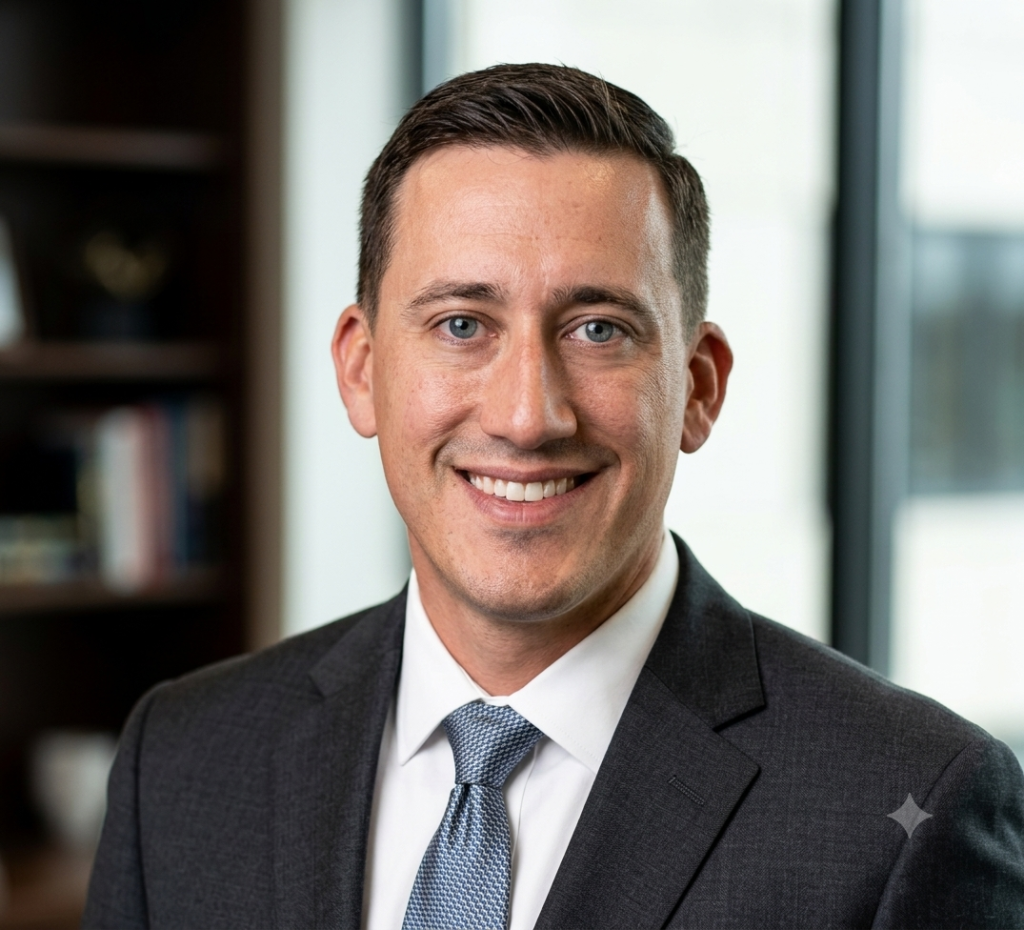
Angelo Peña is a seasoned entrepreneur and business owner who has built a diverse portfolio across multiple industries. His ventures include Paranoia Quest Tempe, an escape room business; Acclaimed Roofing, a Scottsdale-based roofing company; real estate rental properties; and a Turo rental car fleet. He previously owned Spin Art Phoenix, which he recently sold, and launched his first business, an independent liquor distribution company, back in 2013. Angelo is driven by a philosophy of continuous personal development and believes strongly in the power of mentorship, networking, and calculated risk-taking.
Before becoming a full-time entrepreneur, Angelo worked in sales, finance, and mortgages. He made the leap to entrepreneurship after recognizing that the W-2 path was limiting his potential. His transition was not without setbacks, and he openly discusses how knowing when to cut losses and close a failing business is just as important as knowing when to scale. He has attended numerous business conferences and paid for mentorships that he credits with accelerating his growth significantly.
Angelo is particularly skilled at marketing across different industries. For his entertainment businesses like Spin Art and Paranoia Quest, he leverages local influencers and social media to drive bookings. For his blue-collar roofing business, he focuses on SEO and Google reviews. He also practices cross-collaboration with local restaurants and businesses to build community presence and referral networks.
A fun fact about Angelo: he co-owns Paranoia Quest Tempe, an escape room that has become a well-known local attraction in the Phoenix area, and he approaches running it with the same systematic, data-driven mindset he applies to his roofing and real estate businesses.
Angelo Peña, serial entrepreneur and owner of Paranoia Quest Tempe and Acclaimed Roofing, shares his journey from W-2 employee to multi-business owner. Watch the full episode (52:26): https://www.youtube.com/watch?v=UVUMiW7e7Ko
[0:00] Welcome back to Attractions Insights. I'm your host, Dimmitri Mihilof, founder of Attractions Marketing Pros and
[0:06] America's Best Attractions Road Show. On today's episode, we're talking with an incredible human being, a very smart
[0:13] entrepreneur, and my partner on a few different businesses, Angelo Pena.
[0:19] Welcome. Thanks for having me, Demetri. Appreciate it. Angelo, for people who doesn't know you, share a little bit information about
[0:25] yourself. Yeah. So, Angelo Pena. I'm based out of Chandler, Arizona. I've
[0:31] been in Arizona for since the mid9s. I was born in Los Angeles, California, but
[0:37] I've been in Arizona for majority of my life. Like you said, I'm an entrepreneur. I own a handful of
[0:43] different businesses, a lot of which I am involved in partnerships, which, you
[0:48] know, we have a partnership in a couple of the ventures that um that we took on.
[0:53] I'm also a a family man, dad of three girls now and I'm just on a journey to
[1:02] improve myself at least 1% a day. But yeah, that's that's that's me in a
[1:08] nutshell. Angelo and V met with you at the business conference some years ago. Can
[1:15] you tell me why what was your thought process about going to that kind of conference and what you were looking to
[1:21] find there and Yeah. So, we met in I want to say it was 22. I think it was November of 22. It
[1:29] was the Gray Method, Abraham Gay, which is now Dealmaker Live, and they've made
[1:34] a whole event and big community out of it. Um, and really back then, you know, I just joined my very first community
[1:41] where I had to pay to get in and that was Sub 2 with Pace Morby. And through sub, I joined the mentorship. I was
[1:48] involved in a couple of flips. I purchased a rental property and I started my very first business back in
[1:55] 2013, but I just had an itch to continue my business journey and I I think to
[2:01] really achieve wealth, you have to have a combination of cash flowing businesses
[2:06] and real estate. And I think real estate is more of a long-term play. So, I was
[2:11] attracted to looking into buying a cash flowing business. And when I met Abraham
[2:16] Gray through Sub 2, that that guy, I don't know if he has more real estate or more cash flowing businesses, but either
[2:22] way, he has a combination of both. And uh you know his story and his outlook
[2:27] and his presence really just kind of motivated me, inspired me to uh go to that conference which he was hosting and
[2:34] sharing his insight on how to buy a business, how to find one, how to structure one, you know, how to
[2:41] everything as far as acquisitions and different strategies and things like that to grow and scale businesses by
[2:48] acquisition. So when he mentioned that he was putting on a private event in Atlanta and that this was like his
[2:53] second or third one, I jumped on it. And you know over the last few years, I've invested a lot into personal
[3:00] development, different mentorships, different communities, um and just different almost access to different
[3:06] people. Um you know, having having proximity to someone that may be a few
[3:12] chapters in life ahead of you, they may be ahead of you in business. I just think getting around with, you know,
[3:19] people that are doing better than you can really open up your eyes and can be beneficial and and learn and and help
[3:26] you to continue to grow. And I just one of the first things I said was, you know, just trying to get better 1% every
[3:32] day. And that's really why I I went to that business conference and then I've gone to several more since then. Now I'm
[3:39] finding myself in the bluecollar space um doing a lot of blue collar
[3:44] mentorships and communities and stuff like that. and I'm I'm pretty new to the bluecollar industry and and
[3:50] construction. Um and and I feel like having a mentor or being part of a community is a hack, you know, it's it's
[3:57] a shortcut that can help you expedite your journey and and achieve things
[4:03] faster. So, if you're not investing in yourself and investing in personal development, invest in investing in
[4:09] business or even relationships or your health even, I don't think you're really growing. So, I've made it a point to
[4:15] just be a sponge and soak up as much information as I can from people I look up to and people that are doing things
[4:21] that I admire or things that I think um set them apart all in the entrepreneurial spirit. Um and and I
[4:26] think it's important for people to invest in themselves because a lot of times if you really analyze or audit
[4:33] what we spend money on, you know, you look at a conference and a ticket's thousand bucks, 2,000 bucks or or maybe
[4:39] more and you're like, "Oh man, that's a lot of money. I don't know if I want to spend that much." Well, if you're drinking Starbucks every day, you can
[4:47] start making coffee at home and say save some money. Like investing in into yourself is going to have a much higher
[4:54] ROI, return on investment than a lot of stupid things that most people spend money on. So, every every year I'm I I
[5:02] make it a point to try to go to a conference or go to a different event that uh that can really help me on my
[5:07] journey. How uh how do you justify this big expense for conference? you mentioned it
[5:13] can be $1,500, it can be $2,500. Some mentorships there can go crazy
[5:19] expensive. Um, what how do you motivate yourself and then and say like it's
[5:25] worth it. This is why I'm doing this. Yeah, I think the the whole approach of
[5:31] joining a mentorship and putting a dollar sign behind it um is is really
[5:37] motivation because then it's like, okay, if I'm going to spend $5,000, $10,000 on
[5:42] a mentorship, and get in the mentorship, watch the videos, do the thing, talk to
[5:48] some people, but then I'm not taking action. I just spent $5,000 and it was
[5:54] just a waste. So, I think a lot of times when we put that dollar sign behind it,
[5:59] it it it motivates you because you want to get what you paid for. You want to get your money's worth. And uh sometimes
[6:04] you need that extra extra kick in the butt to not put yourself in a spot where you're going to lose if you don't take
[6:12] action. And I and I feel like in looking at the history of, you know, what I've done since I joined Sub 2. I joined Sub
[6:17] 2 and I was active in the community. I did some flips. I did some lending and and bought a property. moved on to the
[6:24] dealmaker. I met you. We formed a business. We bought a escape room. I
[6:30] bought a roofing company and like I was just putting things into motion. Taking action because joining the mentorship or
[6:37] community is just one part of it, right? That that's just one side of it. You took the first step, but really at the
[6:43] end of the day, it's all about taking action. And if you join these communities, have mentors, I mean,
[6:50] that's all pointless unless you're taking action. And sometimes, you know, you're right, some of these mentorships
[6:55] are expensive. It it can get up there. But, uh, I look at it as a return on my
[7:00] investment. And historically, with what I've done after joining a mentorship, I
[7:07] know I'm going to get my money's worth because I'm not just going to let that money go to waste. I'm going to I'm going to take action and I'm going to
[7:12] move move on it. So, that's that's my mindset behind it. Nice. Angela, how you raised? I I'm I'm
[7:19] trying to figure out is there is a pattern for somebody becoming
[7:24] entrepreneur open-minded person who is willing and and to learn who is willing
[7:29] to invest who is willing to uh make this some scary steps in a new direction. So
[7:35] tell us a little bit more about your childhood, how you were growing up and what shaped you as who you are today.
[7:41] Yeah, that's a that's a deep question. My my parents are from Peru. They're both born and raised in Peru and they
[7:48] came here as immigrants in the 80s and uh you know I'm first generation Peruvian American. We didn't really have
[7:55] a lot of money growing up. I definitely saw the work ethic in my mom and I saw the effort that she made and I I I saw
[8:03] her hustle and and for the longest time I I thought to myself both my parents were loyal to their companies for such a
[8:10] long time as employees. I always wondered why wouldn't they take a risk
[8:15] or or do something a little bit more like if they worked as hard for their employer as they would for themselves
[8:21] like they could be more successful but then I it's like perspective because they did take a big risk for them to
[8:28] leave their country with no family nobody that they didn't even know the
[8:34] language here and they have a very similar story to you I think you kind of you know being an immigrant it's it's a
[8:39] that's a risk in itself and moving your yourself across the world and taking a
[8:44] shot on a new country on a new language on a new environment and everything. And
[8:50] uh I think that's what's kind of shaped me. I've always been a gambler, risktaker. And I just know with my faith
[8:58] and just uh and the way I was brought up that I know everything's going to be fine. Money comes and goes. Experience
[9:06] don't last forever. Um, and you know, putting myself around a lot of entrepreneurs that are risktakers. U, I
[9:13] think that's that's what's kind of um, you know, molded me lately because I was
[9:19] a W2 employee for a very long time. Um, but I always kind of bounced back and
[9:24] forth. I would start the business as a side project, work a full-time job, and
[9:30] work on the business, you know, outside of work hours. Um, and then I went back I went to full-time entrepreneurship and
[9:37] then, you know, had a um had a big loss a few years ago and had to go back to
[9:43] working at W2 again. And then, you know, when we met, I kind of had a few things in motion and a few other things going
[9:50] that it allowed me to come back to the entrepreneurial world full-time 100%.
[9:55] But no risk, no reward there. If you don't take a risk, you're never going to get reward. And sometimes the biggest
[10:02] risk you have to take is on yourself and betting on yourself and and betting that whatever you're working on, whatever
[10:08] project it is, whatever investment it is is going to work out. Just looking at it positively because if you don't, if you
[10:15] think it's going to go bad, if you think it's going to go wrong, it's probably going to go bad or probably going to go wrong. So, I think just starting from a
[10:22] place of of gratitude really because, you know, sometimes being a business
[10:27] owner, it's a roller coaster. Sometimes things are great and then the next thing next day everything's, you know,
[10:33] crashing down on you. But I think that's that's the thing about entrepreneurs is that you have to have thick skin and
[10:40] have a positive outlook, positive forecasting in the future, if you will,
[10:45] cuz if you don't, you're not going to make it. If you think that you're going to fail, you're going to fail. That
[10:50] there's no doubt about it. So, give a lot of credit to my to my mother especially cuz she she showed me what
[10:57] real work ethic was. But then I've had some really great mentors along the way that have uh taken some risks and it's
[11:04] paid off for them and that's inspired me into being a risk taker. I remember you mentioned that you've been in the military. How this affected
[11:12] your mindset, what kind of experience you had and how it shaped you as a person.
[11:18] I think it was a good experience. I think it helped put a lot of discipline in me at a young age and I I learned
[11:24] some valuable lessons at a young age. I saw a lot more of the US going into the
[11:31] military because in the military was like a a melting pot. I met people from the east coast, from the south, from
[11:36] northwest and all over the country. And you know, it kind of opened up my eyes to what this country is. But it's not
[11:42] for everyone. And I definitely don't think it was for me long term. I did three years and, you know, I was I was
[11:47] done with my term and and I did not want to reinlist. I have a lot of respect for
[11:53] our military men, but unfortunately I feel like they are grossly underpaid for
[11:58] the amount of work and the risk that they put on the line regularly. It's, you know, they're not paid enough and I
[12:05] wanted a bit more out of life and um I just didn't feel like the army could provide that to me. But I did serve my
[12:11] time and uh I enjoyed it. Made some good friends and got to see some parts of the
[12:16] country that I don't think I would have seen had I not joined the army. And um it was a good experience, but it would
[12:22] just it wasn't for me. I just had this entrepreneurial spirit that you know I wanted to own something, create
[12:29] something and be a business owner one day and um you know I just didn't get that from from the army
[12:34] and from all of us just want to say thank you for your service. Of course thank you. Yep. Now tell me about family. How
[12:41] important family for somebody who is doing businesses who is risking money
[12:47] online? how difficult it can be and how supportive your family with your uh with
[12:53] your journey. I think having a supportive spouse is
[12:59] the most important thing an entrepreneur can have. I mean it's it's almost critical. It's it is critical. If you
[13:06] don't, it's going to really cause turmoil. it's going to add additional stress and you some people the spouse
[13:13] may not understand what the entrepreneurial journey is because doesn't stop. It's it's 24/7. It it it's
[13:21] always on. And uh some people they're not okay with that. And I think having a
[13:28] spouse that's supportive and understands that and knows that you're working
[13:33] towards a big goal um is is huge and important. when my first business
[13:39] venture that I started um you know I wasn't in a a serious relationship
[13:46] didn't have that support your family will support you to a certain extent but we you can't rely on just that um a lot
[13:53] of times your family may try to talk you out of doing business because they don't they don't they're not entrepreneurs and
[13:59] they don't understand what it is and they don't see the possibility of the reward and sometimes they may not be may
[14:06] be the most supportive and you just got to kind of filter that noise out. But if
[14:12] you have a spouse that you spend time with on a daily basis that you eat with that you you know everything with and
[14:18] they're not supportive or they don't understand or you don't communicate well
[14:24] with them like it could definitely put a strain on your home. And when your home
[14:29] life is affected, the business is definitely going to be affected as well. I I have a fiance that I've known for
[14:36] it's going on almost six years. We've been dating almost six years. We've been engaged for a little bit over a year and
[14:43] she's been the biggest, you know, difference maker for me over the last few years. She encourages me. She
[14:49] believes in me. She believes in me in times where I'm defeated and I'm like, I don't know if I can do this anymore. And
[14:55] she she she talks me back into it and and because it's hard sometimes. you get
[15:01] kicked in the balls, you get punched in the in the in the stomach, and everything happens. And if you don't
[15:08] have that support at home, it's just going to make things that much more difficult, more obstacles to overcome.
[15:14] And you know, I feel like some of the most successful business people, um, you know, even to this day, the current day,
[15:21] they they all have that supportive spouse that understands what it takes and what it costs to be a business
[15:28] owner, entrepreneur. So, Angelo, can you walk us through what businesses you had
[15:34] and what kind of businesses you have right now? Yeah, the very first business I started
[15:40] was in uh 2013. I was an independent liquor distributor. I was wholesaling
[15:46] and importing spirits from Peru. It's called It's called Pisco and it's a grape brandy. It's kind of like what
[15:53] tequila is to Mexico. We had a family friend that was a wine producer, pisco
[15:58] producer in in Peru and and I decided to start importing it. But that was my very first business in 2013 and I was also
[16:06] importing cognac from France and tequila from Mexico as well. That was my very
[16:11] first business. And in 2018, we just I decided to to shut it down. It
[16:18] was just a a passion project slashhobby that was just not profitable and a money
[16:25] pit. But, you know, that was that was my very first experience. I learned a ton.
[16:30] I think I spent less than what a business degree would cost, but I learned a lot more than I feel like a
[16:37] business degree would show you. And then I went back to working in finance and uh
[16:43] debt relief and eventually mortgages. And when we met in 2022, we formed Spin
[16:50] Art Phoenix um that we sold earlier this year. That was a a great concept and a
[16:58] profitable business that we had for a few years that was a family business as well. My daughter was the general
[17:03] manager of it. My my spouse fiance Melissa was also involved with managing
[17:09] it and they were very sad to uh to let that business go. They wanted to keep going. But I think we made a business
[17:16] decision. Then we also have a escape room paranoia quest temp that u you know
[17:23] that was I believe your first business venture was escape rooms. Um and u you know we were able to buy a location and
[17:30] bring it to Tempee and we're going on just over a year with that location here in Tempee. Then I also have a rental
[17:39] business. I have rental properties and a rental car business that my fiance
[17:45] primarily manages. And we've downsized cuz at one point, you know, we were using the app called Turo. I believe we
[17:51] had 23 cars at one point on there. U but today we are down to nine cars. So I've
[17:58] sold a lot of them and just kind of scaling back and out of that business. And then the most re recent acquisition
[18:06] is a claimed roofing. This is a roofing company that's based out of Scottsdale. It's been around for about 11 years.
[18:13] They had a small team in place just doing well just over seven figures a
[18:18] year in gross revenue. And we're looking to to grow and scale and eventually buy
[18:24] more roofing companies that we can roll up into one and uh make a an exit maybe
[18:30] 5 to seven years from now and rolling up a bunch of roofing companies in Arizona up into one. So, so yeah, quite the
[18:37] journey. I know it's been kind of all over the place, but you know, I think my background has always been sales. I've always been in a sales position of some
[18:44] sort and and that's uh really what kind of I guess introduced me to entrepreneurship cuz I think just as far
[18:51] as I can remember, I was selling baseball cards and pogs and things when
[18:58] I was younger. Then when I was at an age to start working after I got out of the military, I went right into sales and
[19:05] saw that you can make commission and you can make a pretty good living and then I just, you know, pursued my
[19:10] entrepreneurial journey. With your first business, importing alcohol, you had to make a hard decision
[19:17] to close down the business. You lost some money with that decision. What was
[19:22] your um thinking process? because I know how hard it is to close the business,
[19:28] close the business and especially, you know, if you're going to lose money. A lot of people will stick to the end and
[19:33] and pour more and more money in a business that just dying. How difficult
[19:39] was to make this decision? I think once you lose the passion and the drive for it and it becomes more of
[19:46] a nuisance or more of a headache, it makes the decision easier because I was
[19:52] I was not profitable. I mean, I didn't have a profitable year. Not one single year of profits. I dumped a lot of money
[19:59] into it. I, you know, cashed out my 401k from my previous job that I had got
[20:04] penalized. And in hindsight, it probably wasn't a smart move to do that. But, you
[20:10] know, I just had this itch that I wanted to fulfill and I wanted to venture out
[20:15] and at least try to make it and at least try at at having a successful business.
[20:21] And you know, it was a hard pill to swallow, but at at the end of the day, I just wasn't having fun anymore with that
[20:28] business. When I first started, I did I had a lot of fun and that's what made it, you know, it made it it okay to just
[20:34] continue even if I wasn't making money cuz I was having fun. But it got to a point where the fun stopped and it was
[20:40] one thing after another after another and then I'm just dumping money into this thing and I just had to make a
[20:46] decision. It was like I I either stop the bleeding now or I bleed out bleed
[20:52] money out until I I can. I just didn't want to I didn't want to risk it. I I already risked too much and I was like,
[20:59] "Okay, this is this is where it draws the line." Plus, like I said, I wasn't having fun, so it didn't make sense to
[21:04] just continue doing something you weren't enjoying. I think, you know, if you're going to do something in business
[21:10] or anything, even if you're an employee, you should at least enjoy it somehow. I don't think it's a good a good strategy
[21:16] in life to work at a pointless job or endless job where you just hate yourself or hate life or hate your boss or you
[21:23] know just hate a company or hate what you do and just stick through that that like that's not that's not a good
[21:28] quality of life regardless of how much money you make. I mean I know people that make a lot of money that aren't
[21:33] happy with what they do but they're they're still doing it. And I and I just decided I'm going to cut my losses now.
[21:40] I'm going to go back into sales. I'll recoup whatever I lost in a year or two
[21:45] and and it'll be fine. And and I it was it was I worried about it. I I lost a
[21:51] lot of sleep and I was up late nights thinking about it, but at the end of the
[21:56] day, everything worked out fine. It's part of my journey, part of my story, and I learned a ton in the process.
[22:02] You mentioned that you had a lot of cars at some point, but now you downshifted. Yeah. So the the thing with Turo is it
[22:11] was it was a great stepping stone for me. It helped transition out of
[22:18] uh W2 life into entrepreneurial life and it helped pay the bills. When you really
[22:24] break down how much you make per hour, per car,
[22:30] I just I want to think bigger. I I I want to go after something bigger. There there is money to be made on Turo, don't
[22:36] get me wrong. You can make money, but I just I'm looking for something with a
[22:41] bigger return and and I have a bigger goals and aspirations. That's why I'm looking elsewhere and and over the last
[22:48] couple years because it been I've been on there for almost 5 years now. Um they've made a lot of changes and I feel
[22:53] like a lot of these companies, you know, when they're in startup, it's always the best time to if you're an early adopter,
[22:59] if you're on a platform early, everything's in your favor. They really take care of their host to begin with,
[23:06] but now everything's in the favor of the guests. There's situations where people
[23:12] damage the car and because of their policies and the way the business model
[23:17] is with Turo, there's been damages that I've had to absorb. I had to eat the cost on it. Doesn't happen all the time.
[23:24] There's some good people out there that will if they mess up your car, if they crash it or damage it, they'll pay. But
[23:31] not everybody's like that. And I just I haven't agreed with some of the changes that Truro has made over the last couple
[23:37] of years. And I feel like they're very favorable to the guest instead of the
[23:43] host. And the host is really the host is what matters because if if there's no host, if there's no cars, then they have
[23:49] no platform. So I feel like they got it backwards. And so I don't agree with that. But like I said, I'm I'm focusing
[23:56] on bigger things. That's really what motivated me into pivoting out of it.
[24:01] And I see that opportunity in the roofing business. I see that opportunity in construction and blue in the
[24:08] bluecollar space. And that's why I'd say a majority of my attention and focus and
[24:13] energy right now is into acclaim roofing. Your situation with tour reminds me Airbnb right now because I
[24:20] I'm in a lot of Airbnb groups and a lot of people talking about that it shifted
[24:25] so much in favor of clients who is visit that there is a lot of damage happens or
[24:32] a lot of abuse happens where people trying to check in early check out late
[24:37] and there's a lot of different stories where they saying like in the past it wasn't that hard and these days it's
[24:45] It's like hard and people thinking potentially to leave. The problem is
[24:50] there's not many options where they can leave. A lot of people feel like they are hostages in the situation.
[24:57] Yeah, absolutely. And I mean even with Turo, there's there's less platforms in Turo or in the cars than there is in
[25:04] homes cuz Airbnb has VBO and you could even do private stuff, but Turo is kind
[25:10] of has a monopoly on the auto industry. Turo has zero competition. The competition is like national car rental
[25:17] herds car all the big car rental companies but you know there's no other platform and yeah I I I have an Airbnb
[25:24] as well. I know exactly what you mean. They they are shifting towards the guests and it's not uh not not the best
[25:30] business practice. So I'm going to scale back on that and and look elsewhere. How do you feel that Elon Musk and his
[25:37] autonomous driving, I think it's it's getting closer and closer to be rolled out in a multiple cities, do you think
[25:44] it's going to affect also tour fleet owners a lot? I think it'll have some effect, but I don't think it'll be a major one cuz I I
[25:51] still think people want to be in control. They want to be in control of when they can pick up and go and leave
[25:57] in the car that you aren't going to get that with autonomous drivers and stuff like that. or maybe will if they rent
[26:03] cars, but I I don't think it'll affect that. I think it will affect more like the people that drive Uber, the people
[26:08] that drive Uber Eats, you know, even Amazon drivers and some of those jobs
[26:14] that could be automated. But I don't think it'll make a huge dent on the Turo
[26:20] market because I still think people will want to be in control of when they get up and go versus get in on the app, wait
[26:27] for the car to get here. Sometimes there's people are in a rush, they run behind, meetings go over. Um, I don't
[26:33] think it'll affect it that much, but I do think it'll affect other businesses like Uber is there's automated cars. Why
[26:41] Why do you need a a driver? No. But in Turo, you are the driver. So,
[26:49] that makes sense. Now, let's shift to entertainment. uh how did you come up with the decision to partner up and open
[26:57] uh Spin Art Studio? This is question number one. And question number two, was it your first partnership with somebody?
[27:02] Yes. What um what interested me the most in spin art was a proven concept. You
[27:10] had a few locations already. The other thing is there was nothing like this in Phoenix and now there's a few copycats.
[27:17] So, you know, I saw an opportunity there. And to answer your second question, this was the first partnership
[27:23] that I had. I think that that had a big influence on it. And I think, you know, the proximity that we have, the
[27:29] relationship that we both have with Abraham Gray kind of made that a little easier because he said good things about
[27:37] you and I'm sure he said good things about me. We'd already done business together. So, I think that that kind of
[27:43] helped. But, you know, going into something spin art, like that was something I couldn't have created or
[27:50] come up with on myself. I'm not that artistic or even care to be. So, when
[27:55] you presented that and then I thought about there's nothing like this in Phoenix and Phoenix is, you know,
[28:00] obviously a pretty big market. Um, I just saw an opportunity and and I was looking to invest into something and
[28:07] that just kind of kind of checked. I went into that that Abraham Gay event
[28:12] that weekend with the idea of buying a cash flowing business and then meeting
[28:18] you and getting to know you know about your businesses and you being in the entertainment. It made it a little
[28:24] easier to make that decision just because you know you had a proven track record. yet Abraham Gray vouching for
[28:31] you and um you know I just saw the opportunity that there's really nothing nothing like that in Phoenix
[28:37] with the partnership. Tell me what did you learn or what kind of advice can you
[28:42] give to somebody who've never done a partnership with a different person? What how different it is from just
[28:48] owning it on your own. I think with every partnership, you should have a
[28:54] equal amount of what everyone contributes, right? You have to collaborate. If if you're if it's too
[29:01] one-sided, if I'm doing 90% of the work and 90% of everything that it takes to
[29:07] run a successful business and you're doing 10%, um, it's going to end bad. I
[29:13] think you have to have a balanced partnership. And the other thing is before you jump into a partnership, it's
[29:21] good to get to know them. Do your due diligence. Do some homework on the person. Try to understand them because
[29:27] at the end of the day, you think about a business partnership. There's no end date to a business partnership. When you
[29:33] start an LLC, you don't put an end date on it. So you could that could be your business partner for the next one years,
[29:41] 2, 3, 10, 15. You really don't know. And if you're going to be in business with
[29:46] someone like that for a while, you better do your due diligence on them and make sure they're a good person and they
[29:52] can deliver on what they promise and uh make sure it's it's even, right? You
[29:58] don't want to feel like it's you're doing too much. It it needs to be even
[30:03] across the board. Let's uh talk about our example, how our partnership worked. What were you what
[30:09] you were responsible for, what I was responsible for, and how did it work? Yeah. So you know you you had the proven
[30:16] concept you had the the blueprint the design aspect providing the
[30:23] infrastructure providing the marketing yeah I mean it's providing all all the
[30:28] HR stuff and everything on the back end all the administrative stuff and and basically the infrastructure of the
[30:34] business and me as being local here to Phoenix was the local operator that you
[30:40] know was up to me to hire a team fire the team, secure the location, do all
[30:46] the ownership stuff that you have to do, all the legalities, the services, and
[30:52] and setting everything up and making sure everything's running smoothly. And that's that was the roles that we had.
[30:59] So, it's just extremely important to do your due diligence. Think about the future. Is this a short-term commitment
[31:06] or a long-term commitment? Can you see yourself being a partner with this person for a long period of time? and
[31:11] just making sure that you know the responsibilities and the roles are evenly split so there's no you know hard
[31:18] feelings or anything like that down the road. So I think that's important things to look at and consider when thinking
[31:24] about a partnership. And on my end, I want to add to everyone who is listening that when you're looking for partner,
[31:32] especially if it's somewhere away, right? Because I live in Atlanta, Georgia. Angel lives in Phoenix,
[31:38] Arizona, and we were opening this location in Phoenix. It's very important for your operator to have some skin in
[31:45] the game. So, Angela didn't mention on this particular project, we went 50/50. And I usually make sure that on a
[31:52] project like this where I have operating partner they invest money along with all
[31:58] the expertise they're going to bring to the table and if they're going to run like day-to-day operations money is
[32:04] important at the beginning a lot of people going to be fired up and they're going to have a lot of interest but then
[32:10] as time progresses uh they might have different interests life can change there might be some life events
[32:16] happening and if there is no skin in a game it's very easy for them to walk away and you're going to have a problem
[32:23] on your hands because now you need to replace them with somebody who going to be running the business. Uh pay attention to this and if you're planning
[32:29] to partner up with somebody, it's always good for your partners to have skin in the game as far as money. Another
[32:35] important thing is take take it slowly and get to know each other and see what's your priorities where you want to
[32:42] be in a year, in 2 years, 5 years because if your goals doesn't align, then it might be difficult in the
[32:48] future. And the last thing that I want to mention, it's very important to have a good operating agreement in place. No
[32:55] matter who you're dealing with, if it's your best friend, if it's your especially if it's your family members,
[33:01] you need to make sure that you have operating agreement that describes everything, who is going to be responsible for what and what's going to
[33:08] happen. if somebody going to stop doing what they're responsible for or you need to maybe add additional funds if
[33:15] business is not doing as good as you planned originally. All of it needs to be described in your operating
[33:21] agreement. Now Angel, how is it possible that you've been operating partner but
[33:26] in the meantime you had some other businesses you were working on? Explain to us the logistics of it.
[33:31] It's difficult. Well, I wouldn't say it's it's it's easy by any means, but um I think you have to prioritize things in
[33:38] life and and really audit what you actually spend your time on on a regular
[33:43] basis cuz there's 24 hours a day minus, you know, whatever you sleep 6 to 8
[33:48] hours a day. That's plenty of time to do work on things. I think it's just a
[33:54] matter of prioritizing things in all of these businesses with the exception of my very first one where in the very
[34:01] first business I was wearing all the hats. I was wearing sales guy, bookkeeper, accountant, um you know,
[34:09] producer, content creator, like marketing, everything. I was doing everything. Um and this this time
[34:16] around, I've always had a general manager that oversees the day-to-day
[34:21] operations. so I can work on the business and not work in it. Because if
[34:27] I was working at Spin Art and doing all the Spin Art instructor tasks, there's
[34:32] no way I'd be able to do all this other stuff. But if we have the right people
[34:37] in the right seat that are handling all the day-to-day, then that gives me time
[34:42] and freedom and flexibility to work on other projects and just make sure that
[34:48] everybody's sticking to the game plan. And I definitely could could work on
[34:53] SOPs, you know, standard operating procedures and systems, but I feel like we've had enough systems in in our
[34:59] businesses to make things run smoothly where the general manager has a a good
[35:04] grasp on the day-to-day stuff and it only take a certain emergency or certain
[35:09] special things that require an owner attention. But yeah, I mean for me it was just making sure I have the right GM
[35:16] in place to execute the day-to-day so I can oversee it and work on whatever project I need to be working on.
[35:22] And Angelo, let's shift our attention for a little bit to the marketing because you've been essential part of
[35:28] our marketing efforts for this build business. So uh can you share with us
[35:34] what uh channels of marketing do you think was very important and is important in attractions business
[35:40] because for I'm sure for your roofing business it's a little bit different approach but let's talk about
[35:45] attractions let's talk about entertainment and specifically this spinner paint studio with attraction entertainment businesses
[35:52] you want to have multiple channels of marketing right you don't want to just stick to one but I think in this case
[35:59] the most important one that I identified before we even opened our doors was
[36:04] social media, Meta, Facebook, Instagram, and working with influencers. I think the influencers were a very big part to
[36:12] our success. Um, having the first of all, you have to be in tune with what's
[36:18] going on in your market. Like, if you don't know who the good influencers are, who's who's hot, who's sharing the cool
[36:24] things, then you know that that's where you have to start, right? identifying the right influencers that fit your
[36:31] audience, that fit the demographic that you're looking for, and then just reaching out to them. I had a very, very
[36:39] scripted message that I had sent out to a ton of influencers. A lot responded,
[36:44] some didn't. A lot were free, some we pay for, but doing my own outreach to
[36:50] influencers to get them in, to get them to showcase and highlight the business,
[36:56] especially a spin art business because it was very visually appealing. So, they they really liked the color and the
[37:02] lights and everything, the the artistic side of it, you know, creating something
[37:07] um and highlighting that. And every influencer has a different style, a different eye, a different um you know,
[37:14] kind of their own unique vision and and style that they put on their content. So
[37:20] yes, having different influencers gave a bunch of different different point of
[37:26] views, different perspectives that we, you know, we didn't get from just uh one
[37:31] or two influencers. We used a lot of influencers and I think it's very important. It it's almost it almost
[37:37] falls in line kind of similar to the restaurant industry, if you will, and
[37:42] just showcasing, you know, the food and the dining and the ambient ambiance and
[37:47] all that stuff. So, um, you know, we it was get influencers to come in, you know, because we had something very
[37:54] unique. Like I said, we had an opportunity in Phoenix and nobody else had something like this. So, we're the first ones there. Of course, everybody
[38:00] wants to share it. Nobody Nobody's ever heard of spin art. Nobody's ever seen a spin art. So, I think it was easy to
[38:06] have some of these influencers do reels and collaborations and work with us to
[38:12] help drive the business and drive sales. And Angel, uh, tell us what kind of different influencers were invited and
[38:19] how you were determining who is going to be paid influencer, who is going to be free influencer visiting, and what's the
[38:25] different um, result the free ones provided versus somebody paid. Absolutely. I targeted a lot of pages
[38:33] that did food reviews, things to do in Arizona, activities, the the family, mom
[38:39] influencers, showcasing things to do with your kids. And then from there, I kind of broke it down into audience
[38:46] depending on their audience size would determine if they would if we would pay
[38:51] them or not. Um, you know, if it was an upandcomer, newer influencer that didn't have a whole lot of an audience, we
[38:58] would collaborate with them for free. we wouldn't pay them, but they could come in and experience and bring, you know,
[39:04] five, six friends and experience it and be the first ones to cover it and and it worked. Um, and then there was months
[39:10] where we spent several thousand dollars on influencers. A lot I feel like we got
[39:15] a return on, but one specifically I remember there was a page that had close a million followers and uh, you know, it
[39:22] was a very it was like $7,000 I think we spent that month. But on the flip side,
[39:28] that ended up being our biggest month that we had since we opened. So, I think
[39:34] if you do your homework and research with intention, you you find the right
[39:39] influencer and and you find someone that you can work with that has a same audience that you're looking for, it's
[39:45] absolutely worth it. Obviously, we we kind of spaced it out and had a budget
[39:50] on a monthly basis that we would allocate to it. So, we kind of had to save up to put that larger budget into
[39:57] play, but um I think it absolutely makes sense for an entertainment business to
[40:02] spend money on collaborations. Like, how else are people how else are people going to know that you're there, that
[40:08] you exist, or that it's cool unless you know someone that they already follow shares something of yours?
[40:13] And how much approximately you were paying for, let's say, if they have so many followers, we would pay that much.
[40:20] And what's what was the highest you paid to the for the influencer? Yeah, there was there was a handful of
[40:25] influencers that we paid a few hundred to a lot of influencers that we paid nothing to. Uh especially at first, we
[40:33] didn't have a huge budget to do it and people wanted to cover it because it was
[40:38] new and it was hot and you know it was a new attraction in town. But, you know, there was a few times where we spent
[40:45] $2,000 on them and a couple times where we didn't really get a big return on our
[40:50] investment. But the largest budget that we had was with that bigger page that was close to a million follow. They're
[40:57] over a million followers now, but at that time they were at like 700,000, but it was uh welcome to Arizona. And I
[41:04] think we spent 6,000 on the production and 2,000 on the ad spend to boost the
[41:11] post to get more eyes and more views on it. So keep in mind, not only do you have to put a budget aside for the
[41:18] collaboration, the production, but you also have to put a budget aside for the uh the ad spend. If you want to boost it
[41:26] and get more eyes and views on it, you're going to have to spend some money on ad spends. And now explain to the audience who is not familiar with the
[41:33] concept how it works. So the only way you can boost the post is if if you post it. So when we worked
[41:39] with these influencers um they since they created the reel and
[41:45] they posted it, we would have to send a budget to them. The the budget would be allocated to them so they can boost it
[41:52] from their end. And basically boosting it just lets you create a special targeted list. Our list was like um
[42:00] people that are in the age of 16 to 40 something that are at least 30 miles of
[42:09] the Phoenix area that had artistic interest, native interest, different
[42:14] type of cohorts that you can you can target specifically and that would get more views on those reels and those
[42:22] those posts that they would make. Now, how do you track the conversions? Because one of the biggest problems
[42:29] people see with influencers and similar marketing, it's hard to track. So, how
[42:34] you normally track and how do you see that it brings you results? Yeah, I mean it is hard to track cuz there's really
[42:41] isn't a way unless the influencer is sending you screenshots of, you know, click links and stuff like that. There's
[42:48] really no way to track it unless you make the post yourself and you boost it from your end. So, it was hard to track.
[42:55] And you also want to be careful when providing ad spend to an influencer
[43:00] because not all influencers are very honest. Some can take advantage of you. So you have to be careful. You have to
[43:07] make sure you're vetting the influencer if you want to do it that way. Or just have them create the video for you. Let
[43:13] them post it from their page. You get a copy of that video and then you post it from your page and then you boost it on
[43:20] your page and then you're in control. You can track it that way. But, you know, we learned that very early on is
[43:27] um, you know, having them boost it. You have to trust in them and and hope they
[43:32] share the data with you because if not, there's really no way to track it unless things have changed. You know, I I don't
[43:38] I don't think it's been a while since I boosted one, but um, I don't think that's changed and you just kind of have
[43:44] to have trust and and verify. Yeah. And so, influencers is very important. What other marketing uh,
[43:51] channels worked really well? Uh, you definitely have to have a presence on Google. The reviews are very, very
[43:57] important. I feel like that's almost the the newest version of SEO, if you will,
[44:02] because that's one of the first things people go and look at when they Google you is reviews. Obviously, we did a lot
[44:08] of SEO. We did a lot of email marketing. We did a lot of text campaigns as well.
[44:14] That that's why I said earlier, it's good to have multiple marketing channels. You can't just stick to one.
[44:20] You have to have diversify, but you also have to test things and whatever is
[44:25] winning, whatever gets you the most results, like that's where you need to put your money at. Like that's where you want to double down and and and uh you
[44:32] know create that that ROI. I really like the things that you've done with collaborating with the local
[44:41] other businesses. Influencers aside, this is a little bit different strategy. Tell us more about how you've done that.
[44:47] Yeah. So, you know, I was thinking spin art and even in the escape room, what's a good way to give value to our
[44:56] followers and collaborating with another restaurant? Making a date night out or a group night out or dinner and spin art
[45:03] or, you know, barbecue and an escape room, some type of of combination of
[45:08] that worked great for us because one, it doesn't cost us anything other than the the giveaway that we're giving, right?
[45:15] If it's admission for two, our cost is pretty minimal. The restaurants would love to do that because they're getting
[45:21] exposure from your audience. They're getting traction. They're getting views.
[45:26] They're getting followers as well. And it's really good to collaborate in that sense because you're leveraging each
[45:31] other's audience. Some restaurants that we worked with have a way bigger audience than we did, but then there's also some smaller restaurants that
[45:38] didn't have the audience that we have. So, it was leveraging each other's audience. minimal expense on it, minimal
[45:44] investment because it's an investment because you it's just the admission that you have to give up. And then I would take it upon myself to go to the
[45:52] restaurant and gather some content, some footage, and then put something together in a real, put it on there, post it, and
[45:59] then collaborate with them. And then, like I said, their audience is viewing it, our audience is viewing them, and
[46:04] people are excited. Like, people, you know, people want to win free stuff, especially this day and age. So, it's
[46:10] like everybody's entering to win and you know, you get a lot of a lot of traction
[46:15] and and um momentum when you do these giveaways. So, it's a strategy that
[46:20] anybody can put into play. You just got to reach out to another restaurant or or
[46:25] similar business that is willing to collaborate, willing to give away admission or dinner or whatever. And
[46:32] then you just put something together in form of content that looks appealing, showing both businesses. And we make
[46:39] sure you have a good caption that explains the rules and you know you'll get a lot. We got a ton of followers, a
[46:45] ton of likes and reposting and all this stuff from a lot of these giveaways and you know it was a very minimal
[46:51] investment. So it's a good strategy to take this strategy on marketing. How do you
[46:56] implement your marketing strategy with your roofing business? Because it's obviously it's a different industry at
[47:02] all. Tell us what were you able to copy and use or what other strategies you
[47:08] came up with? Just curious. It's a lot different, you know, especially in roofing. Like roofing is
[47:14] probably the most boring thing you are going to spend money on in your house. Like nobody cares to spend money on
[47:21] their roof. It's like out of sight, out of mind. People don't get excited about a roof. So it's it's it's a lot
[47:26] different. It's a lot different. I think the social media aspect to roofing isn't
[47:33] going to make someone buy, right? So, if someone looks at an escape room or spin art, they're like, "Oh, yeah. I want to
[47:38] go there. I want to do that." But people aren't going to buy roofs because they saw me on a roof or us doing work like
[47:45] that. That's not how people buy, especially with a high ticket item like that. So, really, our our strategy with
[47:53] Meta and social media is more or less brand awareness. just having a presence
[47:58] there, showing that we are doing work, but we're not like necessarily trying to sell people on Instagram or Facebook.
[48:06] What we are investing a lot into is local service ads on Google. Even PPC is
[48:12] not worth it in Phoenix. There's a lot of big competitors. They have very big budgets. Makes PPC very expensive and
[48:19] not worth it. But local service ads do work. Um, a lot of we do a lot of SEO, a
[48:26] lot of organic stuff so we can, you know, rank higher on the Google searches and stuff like that, you know, because
[48:31] people go to Google when they want to do something with their home. Um, you know, if they they the first thing they
[48:37] they're going to look at is Google Maps and then they're going to go straight to your reviews. So in this aspect, you
[48:43] know, pay a lot of attention to our reviews and we put a lot of weight on that because that makes a big difference
[48:50] on the construction side and home improvement side of things where it's a little bit different and the
[48:55] entertainment side. So it's it's yeah, it's totally different and I'm still I'm still learning and I haven't been able
[49:02] to figure out a good giveaway or someone to collaborate with because I can't give away a roof. A roof's like 10 $15,000.
[49:08] Although we kind of have this idea for for something like that in a in a charity aspect, but I don't think we're
[49:14] there yet. Um, and it's like, who can I collaborate with? I I've even reached out using the influencers that I know
[49:21] from Spin Art and Paranoia Quest and reached out to them about doing something with their roof and like me
[49:27] doing a free free roof maintenance for them and they're not interested. You know, it's like people don't they don't
[49:33] care too much about their roof until their roof is leaking and they have water inside their home when it's too
[49:39] late at that point. Interesting. So, you're saying that SEO is very important for a roofing business
[49:45] uh as a part of the marketing strategy. Do you think is the SEO important for
[49:50] attractions? So, for escape rooms, for again paint studios or any other
[49:56] attraction? Yeah, absolutely. Thousand%. I mean, you still I feel like Personally,
[50:02] I think you're you probably want to spend more of your budget on influencers
[50:07] and social media on the entertainment side of things and probably a little bit less on the Google side of things.
[50:13] That's my personal opinion, but I I still think you need both. And I still think you'll find customers on both. But
[50:20] I think your bigger return on investment is on social media because that's where, you know, people look on Instagram and
[50:27] Facebook to like, what am I going to do this weekend? What are we doing? you know, with the kids this weekend. What
[50:32] are we going to do for spring break or things to do? People will kind of gravitate towards that on on social
[50:39] media. Why do you think that SEO organic searches and traffic for to your
[50:44] website? Why do you think it's important? It's it's important because you have to have a digital presence. You know,
[50:50] Google's the biggest search engine on the planet until chat GPT takes over,
[50:55] but then, you know, that'll be AI marketing, AI SEO at one point. I I feel like I think that's not too far ahead.
[51:02] But right now, Google is the biggest search platform, search engine. So, if you don't have good SEO, if you don't
[51:08] have organic, then you're missing out. If someone was to Google search your
[51:13] business name, and they have to scroll down to find your business, that's not
[51:19] good. If someone searches your business name, you need to be the first thing that pops up. Um, and if you don't have
[51:24] SEO, if you don't have organic, that's that's not going to happen, right? And also a lot of people start
[51:30] asking us and we we see this question pop up more and more. How do you actually pop up on a a chat GPT or
[51:39] Germany results? And not a lot of people realize that the main way how you can
[51:45] get on this results is actually having excellent SEO having having excellent
[51:51] optimization of your website and having the right articles and having the right blogs. So, you know, Chad GPT and other
[51:59] AI models can actually pick it up and show it as a result.
[52:04] Yeah. Yeah. I mean, I've noticed that myself when I use chat GPT, it uses references from Google. So, yeah. I
[52:10] mean, that's super important. Angelo, thank you so much for your time. It was great conversation. Thank you
[52:16] guys for listening us. As always, subscribe on YouTube, Instagram,
[52:22] Facebook, and thank you so much and we'll see you next