Co-Owners & Designers at The Immersive Machine
Scott Levy and Kay Ring are the co-owners and lead designers behind The Immersive Machine, a Phoenix-based escape room company known for their cyberpunk-themed experience, Sal’s Cybernetics. Scott brings a unique blend of technical expertise and creative vision to the business. Before starting The Immersive Machine, he worked at the game studio Blizzard in California, where he created immersive, escape room-adjacent events. When the COVID-19 pandemic hit, he moved back to Phoenix and eventually met Kay, which set the entire venture in motion.
Kay Ring’s background is in the home haunt industry, where she spent years creating props, cosplay, and sets for small events. She owned a building in Phoenix that she rented to artists, and when her tenants left during the pandemic, she connected with Scott. He pitched his escape room concept, and Kay realized her building already had the proper zoning and infrastructure to make it happen. She gave up her own art studio space to build their first room, and the two have been building together ever since.
Together, Scott and Kay constructed Sal’s Cybernetics in exactly one year, from January 2022 to January 2023, for under $25,000, relying entirely on sweat equity. Scott taught himself coding and electronics from scratch to design the room’s tech, while Kay applied her fabrication skills to build the sets and props. Their venue operates four days a week and has grown from a 55% booking rate in year one to over 70% by year three. Both still maintain their day jobs while running the business and building new rooms.
A fun fact about their setup: unlike most escape room owners who are at the mercy of landlords, Kay already owned the building, which gave them the financial stability to grow at their own pace and become profitable with just one room.
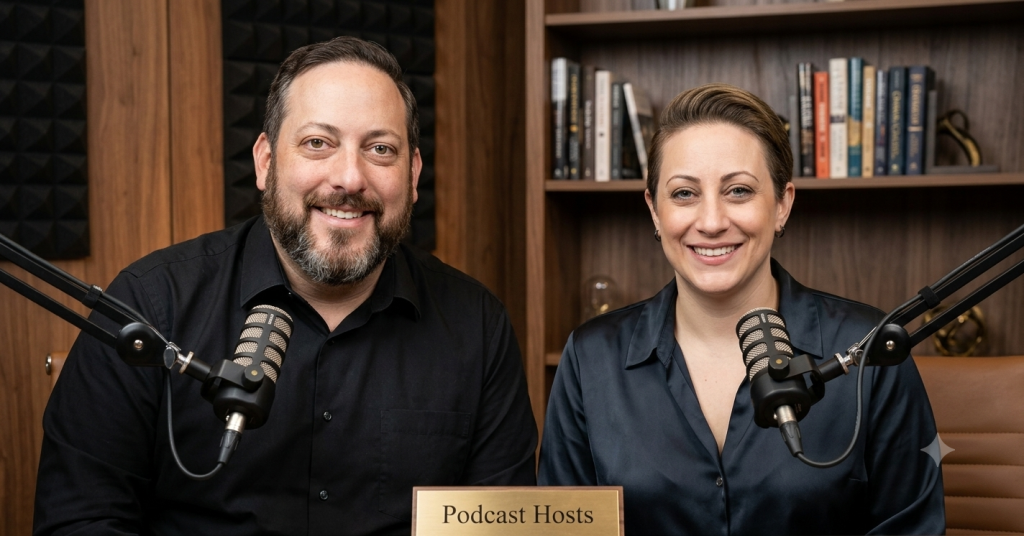
Scott Levy and Kay Ring, Co-Owners and Designers at The Immersive Machine, share the behind-the-scenes story of building their escape room from scratch. Watch the full episode (52:08): https://www.youtube.com/watch?v=TsRgkU_RnsU
[0:00] Hey guys, Scott Kai, good to see you here on my podcast. Thank you so much
[0:05] for joining. I really appreciate it. Yeah, you got it. We're happy to be here. Yep. Happy to be here.
[0:10] I'm excited to talk about your escape room and your journey in create creating
[0:17] creating of it. If you don't mind, share with us a little bit. You're in Phoenix, Arizona.
[0:23] Tell us more about the mercy machine. Yeah, go ahead. K, you kick it on. Oh god, thanks for putting me on the
[0:28] spot. Yeah. Um, well, the immersive machine, we're a cyberpunk escape room. Currently, we
[0:34] only have one room, which is South Cybernetics. We are currently working on two more. We are a very ambitious crew
[0:41] of two and we kind of do a little bit of everything. So, I I do everything from set design to construction to prop
[0:47] making. And Scott, yeah, I handle most of the tech things and then we both work on puzzle design
[0:53] together. And yeah, so it was we both worked on our own kind of projects leading up to the creation of the escape
[0:59] room. Uh I did stuff in with Blizzard, the game studio in California, where I
[1:04] made these kind of immersive events and uh they kind of were escape room adjacent. So that's where I kind of
[1:11] learned the game design side of things and I got into escape rooms and got excited about them. Um and I wanted to
[1:16] open an escape room in in Southern California, but that's when COVID happened and I moved back to Phoenix.
[1:22] And when I did, I met Kay and Kay had all the skills that I don't have. And so
[1:28] between the two of us, we were able to yeah, like see uh we decided to see if if it would make a good uh partnership
[1:34] and we built cell cybernetics as kind of a test to see if we could work together and if we could make something cool.
[1:40] Yes. and I visited your location when we were building our escape room in Phoenix
[1:45] and I've been blown away that attention to the details, the story, the cool
[1:51] small details that I don't want to reveal to the audience, but it's just amazing. So tell me how long did it take
[1:59] you to create this story and what everything started with like how do you even start creation of that kind of
[2:07] story? Well, I wouldn't say like how we did it is necessarily how everybody does it, but it took us exactly one year from
[2:14] incorporation to the actual launch of salves to build. So, it was January 2022
[2:20] and we launched in January of 2023. And while we created the story from scratch,
[2:26] it changed several times from start to finish. I think there were only like maybe three things that made it from
[2:33] beginning to end of its creation. And we just kind of whenever we hit a a
[2:38] roadblock that is this fun was the first thing that we asked. Um how can we make it better and you know where do we go
[2:45] from here? Nine times out of 10 it was he had an idea for it, I had an idea for it and then we combine it together and
[2:51] we'd move on from there. So yeah, all general compromise. We we weren't afraid to throw away a lot
[2:58] of ideas that we had even stuff that we spent months working on. If it wasn't fun in the end, then it had to go. So,
[3:05] we decided to just not be too um too attached to our ideas when it came to
[3:11] the game. And I think that helped us to reach the right game. And then even once
[3:17] we opened, we've never stopped making tweaks and adjustments to try to make it better and make it flow better and make
[3:22] it more fun. Sometimes to our detriment because it's very hard to stop making adjustments and then focus on the next
[3:29] project for us. And so at a certain point we were like, "Okay, we need to say this is good enough and then really
[3:35] focus on moving forward with our next builds." Actually kind of feel like that perfectly describes how we launched
[3:41] cells. Like we finally got to a point we're like, "What's next?" And we're like, "Nothing. Nothing. Wait, it's
[3:47] done. [laughter] What do we do now? Oh, wait. We open. That's what we do."
[3:53] There is just two of you working. Uh there was no outside labor involved. So you guys built everything or did you
[4:00] like use some of the contractors for any trades? We did have uh we have a friend who's an
[4:05] electrician who came in and did all of that. So because neither one of us are high voltage electricians, but framing
[4:12] things like that, that's something I've known how to do most of my life. So that's what I do. I've I you know I
[4:18] reached some roadblocks where I reached out to other people in the escape room tech uh universe and if I hit a
[4:26] roadblock they would help me through it. So I really didn't have any experience coding or with electronics. I had to
[4:32] teach myself most of that as I was going. Now I I've learned a lot and I'm
[4:37] trying to pass along what I've learned and help mentor other people that get stuck. But yeah, for the most part,
[4:44] yeah, we yeah, I would say we we've done pretty much everything ourselves. And at this point, if it wasn't something that
[4:49] we originally did ourselves, we've redone it. And now it's it's 100% us. We're trying to to grow our team a
[4:56] little bit. We have someone working part-time as a fabricator for our next room to help us try to pull that
[5:02] together um so that we can open the second experience. Nice. Any expectation at when you
[5:08] planning to open? I'd probably say we're shooting for early February at the latest, but you know how these things
[5:13] go. Building rooms like sometimes it takes a little bit longer, normally longer than you think, but that's our
[5:19] hard goal was to try and get it done before the end of the year and get into beta testing and get it open by early
[5:25] February. Yeah, we actually we were planning on so we've been working for almost two years
[5:30] on our second room. And it's very ambitious. It's twice the size of the first space. uh a a a huge task.
[5:38] It's actually the story that when you and I met, he came to me and he had this story in mind. Yeah. I've had an idea for an escape
[5:44] room since 2017 that I've been working on all this time and that's kind of like my dream room and it's one I've always
[5:50] wanted to build. So, we've been working on that for a couple of years since Sal opened. Yeah. And uh we realized that it it was
[5:58] just coming along so slowly that we needed to get another room open. So, we actually paused construction on that
[6:04] room in June, I think, and we decided to focus on our third room and just try to
[6:11] see if we could make it from start to finish in about 6 months on that build. It's a smaller space and we decided to
[6:18] just put all of our effort into a to one small space to try to to get that up and running faster so that we'll have a
[6:24] little bit more resources and uh be able to put more into the other room and make
[6:30] sure it doesn't you know it lives up to the to what's in my brain our brain. For somebody who is just starting up,
[6:35] they're probably going to be very interested to hear your story. How do you guys fund it? because it takes like
[6:40] you describing that it takes you a year over the year to to build a a new new
[6:45] room. Tell us a little bit more about like struggles I guess and your
[6:51] particular situation how you be able to afford to build it for so long and you
[6:56] know survive. So our situation was a little different. So Scott and I mentioned we met when he
[7:02] moved back and before we even decided to do this I already had owned a building
[7:07] and at the time I was renting out square footage to artists and then co hit and
[7:13] nobody wanted to rent anymore so it wasn't doing very well. It was basically just paying for itself paying the rent.
[7:18] So, uh, when him and I met and he talked about escape rooms and what he wanted to
[7:23] do and then I did a little bit more research into like zoning and and like what it was going to require and like
[7:29] what it needed. I figured out that my building already has all those things. I'm we're already ready for that. So, I
[7:35] actually personally gave up my own art studio, which is actually where Sal's is now. And we while I was running the art
[7:42] studio and renting the space, we personally funded with, you know, 50/50 with our own money, um, credit cards,
[7:50] things like that. We did all the work ourselves and we built out sales. All the while, we didn't have to pay the
[7:55] rent because that was already being paid for by my other business. So, the situation is a little bit different. I
[8:00] think by the end of it, it cost each of us, what was it, 12K? Yeah. It was like 24 for the whole thing.
[8:06] Yeah. So yeah, we built Sal Cybernetics under $25,000, but it was like a lot of sweat equity, you know, we put a lot of
[8:13] our own work into it to to make that happen. Um Wow. So, you know, it's it it's a pretty
[8:19] Yeah, I think we we we're very proud of what we made, obviously. And now Sal's
[8:24] is uh self-sufficient. We don't have any artists renting space here anymore. It by itself, the one room kind of pays the
[8:31] bills because I think we've built up a good reputation. And we have a pretty high booking percentage of of uh we're
[8:37] only open four days a week. So we're building the other three. Yeah. We build on the other three days of the week basically. Yeah. So, but for
[8:44] it to be able to um pay the bills with just one room, I think is very difficult for most people. We're excited to get to
[8:51] a place where the next room will, you know, finally start generating a little bit of extra money and help pay for the
[8:58] next build after that and pay for employees because right now we don't really have any employees that run games
[9:04] either. We're running all the games ourselves. I still Yeah, I still have a [laughter] my day job. So, yeah. So,
[9:10] that's that's helping to fund the build also and my life. What is your numbers looks like? So, you
[9:15] open four days a week. What percentage? Uh so is it what Thursday, Friday, Saturday, Sunday?
[9:20] Yeah, there's a total of 22 open booking slots over those four days. We've been
[9:26] open for three years now. The first year we had about a 55% booking rate um for
[9:33] the year. The second year we had about 65% and this year we're over 70% for all
[9:39] the slots that are available to be booked. So that's I think pretty high
[9:44] for the industry. you know, I hear people talking about their booking percentages are usually around 30%. Or
[9:51] somewhere around there for for the amount of available slots. So, by having, you know, less slots available,
[9:57] obviously, we're not pulling in as much money, but we don't have to pay for employees. Um, and uh and you know, we
[10:04] yeah, we managed to fill our slots pretty well. Nice. Nice. And so uh what would you say
[10:11] the reason why you so successful with the booking the slots? And again I I think I know the answer but I want to
[10:18] hear your opinion humble opinion on what what is the secret to the success
[10:24] because it's truly success at today's market like I would say you know only a small percentage of companies can can be
[10:31] proud and say hey this is our booking rate during you know during when we open. I mean, at the beginning, I think
[10:37] uh Morty helped out a lot. We developed um a very good reputation quickly and we
[10:44] had a lot of hype kind of going for us. I'm I'm very involved in the escape room
[10:49] industry in general. So, I know, you know, a lot of owners. I played a lot of rooms in Southern California and I I've
[10:56] been to Recon. I've been to other, you know, conventions and uh I've managed to make a lot of friends and I think that
[11:03] helps to networking helps a lot to spread the word initially and then in
[11:08] getting good hype and good initial yeah buzz I guess helped us at the beginning,
[11:14] right? I mean when you and I were talking I was like your experience and your connections inside the escape room
[11:19] industry were invaluable from a business standpoint. So that was also another another reason why I was like yeah let's
[11:25] let's start a business together. you know what you're doing. I was like, I'll just do the books. Um, but yeah, I mean, we've, you know,
[11:30] we've managed this far. You know, knock on wood, we've we've been open now three years and we have never received
[11:36] anything but a fivestar rating on Google and uh we've got you a lot of good
[11:43] awards and stuff from from, you know, we've put a lot of heart and a lot of effort into our game. I think we've made
[11:48] a good game. I think what he's trying to say is that we take pride in our product and our customers enjoy it and we enjoy
[11:54] the fact that they enjoy it and we keep trying which makes us want to give even more of an experience because it's it's
[12:00] not just while you're in the room. It's also when you come in. We have full amenities in our briefing room. We have
[12:05] we've never had anybody complain about waiting. We have everything from costumes for our customers. We have refreshments. We have, you know, starter
[12:13] puzzles where they can, you know, reup on energy snacks. So, it's an experience from the moment they walk in. We ask
[12:20] them what their favorite games are. Have they played before? If they've never played before, we give them tips and tricks in order to like because we want
[12:25] them to succeed and we enjoy it. And watching them play the game, that makes that makes it worth it for us.
[12:31] I reached out to a lot of people on Tik Tok and Instagram and I invited them to come play for free. We didn't pay for
[12:38] any anyone to come in. We just invited them in and told them that we'd give them a free game. and uh pretty early on
[12:44] that made us hit like the front page of Tik Tok when you're searching for escape rooms in Arizona. And even to to this
[12:50] day, we we haven't done that again. It was just like this one block of maybe like two weeks that I spent really
[12:57] pushing for that and it's still paying dividends. Like just last night, we had a huge group in that was they found us
[13:03] on Tik Tok and we have that every week people find us on Tik Tok and it was just from that initial investment of time and energy to uh to get that the
[13:10] word out. The other thing is is talking with and getting to know your other escape room owners in the in in your
[13:16] neighborhood because nine times out of 10 we get recommendations from other escape rooms too. And we recommend them
[13:21] of course cuz obviously we're not we're not competition once you play our game of course we want you to go play more
[13:26] good games like and I love that's how the industry really is at least among most of the escape room owners that I've
[13:32] met. So getting to know them and playing their games and they send their jams to us. In turn, when we get jams, we'll be
[13:38] sending them to them to play other games and see how it's done. And it's kind of a fun community and the the players
[13:44] really like that too. We we're always recommending Paranoia Quest in Tempb and vice versa. We get a
[13:52] lot of people that that can come to us and you know we can't really handle corporate bookings because we don't have enough space yet. So we send a lot of
[13:58] corporate bookings your way too. So I think that helps that that relationship helps. So you know we're we're proud we
[14:04] know you have a good product so we're happy to recommend you guys and then you know we have a good product so you're happy to recommend us. So it's a very
[14:11] you know reciprocal kind of relationship. Yeah I really like Phoenix market. I think it's truly became a destination
[14:18] lately uh with some great escape rooms located now there and I'm proud to say
[14:23] that you know we have a location there with our quest video. I think it's well known now and I think you guys a big
[14:32] reason for that. There's a few other players uh in in the market [snorts] and we strongly suggest yet for everyone who
[14:39] is watching and you if you haven't visited Phoenix it's definitely the place which you want to check if you are
[14:45] Morty app user definitely check out Phoenix games there is a highly rated games in multiple locations there so
[14:52] it's worth for in you know escape from enthusiasts to come to Phoenix where you
[14:58] can actually spend easily three four days and you can hit I don't 15 probably
[15:04] games easily between between multiple locations and you don't have to travel
[15:09] far just arriving to the Phoenix and then you're going to have a great great time. I mean we also have like one of the
[15:15] highest amounts of like immersive bars and experiences too and like there's a lot of stuff in Arizona. I mean we're
[15:22] predominantly an indoor indoor community so of course we're going to make things that are cool indoors. Yeah. people that from from the escape
[15:29] room world have a have a lot of fun in Phoenix in general. Absolutely. Now, let me shift my
[15:35] attention a little bit. It's it's so interesting to see a dynamics between two of you as a partners. So, you didn't
[15:42] know each other before you went on this journey together, right? Can you share with us what is the things that people
[15:49] need to look at when they looking to do a partnership in a business like Escape Rooms because it's not easy business to
[15:56] start? Well, it's we had both previously, you know, run our own businesses. So, it it was difficult for
[16:02] either of us to take a backseat, you know, so and and learning how to collaborate and learning how to be able
[16:08] to speak to each other was a process. We had to, you know, there were certain times where we were passionate about an
[16:14] idea or we'll have an idea and pitch it to the other person. And being able to to really know how to take that
[16:21] information and collaborate was was something we had to learn. What I found out is is if there was something that I
[16:27] really really liked and it wasn't connecting with Kaya, I would say, "Hey, can we like sleep on this and think
[16:33] about it tomorrow?" You know, I would say if it's something that was important to me, I would I would try to make the effort to say like, "Okay, let's table
[16:40] this for now, but maybe we can come back to it." So, the learning how to communicate was was the the big hurdle
[16:45] for me to start with. And then for me, my my brain goes all over the place. I have severe ADHD and
[16:52] I'm a more visual person and if I'm trying to get something across to him, nine times out of 10 he'll look at me
[16:57] and go, "Okay, draw it for me." I'm like, "Okay." And then we'll get on the same page. It is again communication. It
[17:04] was a lot of it was communication, communication, communication. That that that's pretty much all five, right? Yeah. Yeah.
[17:09] I mean, it is like a relationship, you know? It's a the partnership is something that has its ups and downs. We'll have arguments, you know, we we'll
[17:16] get over it. But but learning how to talk things through is it. And for us, before we actually started
[17:22] working together, I think at least for me, I don't know if it was like this for you, I went through the pros and cons in
[17:28] my head. I went, "Okay, I have these skills that he needs. He has skills that I don't know how to program tech. I
[17:33] don't know how to I don't know how to do that. I'm practical effects and he's special effects, if you that makes sense." So when we were checking off
[17:40] boxes, it was like, okay, now those those things I know those will work. But, you know, he's also got he also had the knowledge of the escape room
[17:46] industry. When we met, I was in the home haunt industry. I did a lot of props and
[17:52] like cosplay and a lot of sets and things like that, like for small events, but I'd only played two escape rooms.
[17:58] So, he came with what was it like 300 and some odd under your belt. and you were involved with the industry and you
[18:04] involved with the the spreadsheet there in California and there were just so many things I was like okay he knows the
[18:10] industry now for me I've I've run several businesses and I know how to do the books I know how to so it was very
[18:16] much like we both came to the table with equal shares of skills and that was kind
[18:21] of what we needed and it we didn't really need to hire anybody after that and what we didn't know then we hired
[18:27] somebody but it was very rare so let me ask you how did you guys decide decided okay who going to own
[18:32] what percentage of the company did you guys even use operating agreement or like anything I don't know napkin to
[18:40] describe who's going to be responsible for what and how you going to be sharing the profits or how it's going to look in
[18:45] general so right now it's 50/50 right down the middle it's equal so that you know cuz ultimately it came down to we have this
[18:52] thing that we're building in a building that I own so but we wanted it to be 50/50 so that it was fair we didn't have
[18:57] an operating agreement at first we did eventually write one uh when we incorporated but it was like at first it
[19:04] was like can we during the planning stages it was like can we even get through the planning stages without killing each other
[19:10] so yeah I mean at a certain point we're like okay we need a partnership agreement like if things don't work out
[19:15] then how do we how do how does this where do we go from there like uh how do we cash out how can one person buy the
[19:21] other person out and we kept track of all the expenses and all the money that we're putting into the business
[19:26] basically on a spreadsheet so that we knew who had contributed what so that that that money at least was like owed
[19:32] back to the the person that was involved, you know, as your investment as as the investment for the uh for the
[19:38] build it for the business basically. So, it's not a fun thing to like think and talk about. You know, making the the fun
[19:43] escape room is like the more exciting thing, but it's important I think to at least have that stuff written out and
[19:49] have an understanding. Yeah. Where did you get operating agreement? Uh did you have did you have to hire attorney or did you just draft
[19:56] it with I don't know chat GPT or uh tell us how
[20:01] it was before chat JPT we just found a partnership agreement online and and then edited it I think
[20:06] yeah I'm trying it was I think it was like legal zoom actually I filled in all the information and then it just like spat it out for me in legal ease
[20:13] nice okay so guys make a note if you're looking right now online and if you want to check it check uh check this website
[20:21] also again CH GPT but um you know for all of our partnerships because I I
[20:27] leave and breathe with the partnerships like I don't do anything by myself just because I believe that true partnership
[20:33] can can help you to exhaust so much faster. We use operating agreement that
[20:39] the attorney drafted a long time ago. was one of the partnerships that I've
[20:44] been into as a minor partner and they use incredible operating agreement
[20:49] because I participated in the project and I was one of the partners I had ability to use this operating agreement
[20:54] we modified it since uh multiple times but yeah to have written agreement and
[20:59] to have uh all everything written down like what's going to happen if somebody going to die or what's going to happen
[21:06] if uh one of the partners just want to quit because they just tired or What's
[21:11] going to happen if you know equal partners who is investing equal amount of money but one of them suddenly lose
[21:17] money and cannot afford to invest anymore. What's going to happen then? Uh there's many questions that we don't
[21:24] think about when we starting new partnership but it's important to have because life happens and unexpected
[21:30] things happens and you need to know what's going to happen if it happens. Those agreements are online somewhere
[21:36] that you can share too. Unfortunately, I know I I don't easily
[21:41] share it, but people who we partner up with, they have access to it and people who we do marketing for, we actually
[21:48] like have ability to do consulting and we'll we'll give them and modify it for them. So, yeah, absolutely. So, if you The Future of Immersive Experiences: Evolving Escape Rooms
[21:54] know anyone who needs a very good operating experience, you know, bring bring them in, we'll talk to them and
[21:59] we'll we'll help because we do consulting all the time for not only for Searms but for all kinds of
[22:04] entertainment businesses. Let me ask you, how do you guys manage day-to-day operations between right now? So, you
[22:12] have a full-time job. You still work, right? So, you until today, you still have a full-time job and you managing to
[22:19] run operations and you're managing to do a build out. What kind of like advice can you give it to somebody who just
[22:26] starting up from scratch? Like how to manage life and kids and family? It's not easy. Luckily, I have no life
[22:33] and kids or family. I for me this is this is kind of like my my child. So
[22:39] this is I can put a lot of effort into this because uh yeah I I it's it's my
[22:45] main focus at least for now. I don't I I wouldn't necessarily recommend it but you need some sort of passion if you're
[22:51] going to be able to to maintain the energy to see something like this through. It's just a ton of work and a
[22:57] day job I will keep as long as I can because it's stable and it's it's good
[23:03] to have and I can work remote so I can work from the escape room like while I'm here I can I can do my day job and then
[23:09] I can go straight into working on uh the escape room stuff. We've we've managed to get into a position at least where
[23:16] the escape room can afford to pay for Kia to work full-time here. It's a balance, but I don't really know how to
[23:23] balance. I just am always I just always work, you know. And uh my my kid's older. She she now
[23:28] drives herself. She's 18, so I don't have to deal with that anymore. But when we first started, I was uh I was coming
[23:34] in, dropping her off at school 8:00 in the morning. I would come to work the entire time as she was at school. I
[23:40] would leave, pick her up every day. Sometimes I would come back to do more work. Most of the time though, it was
[23:46] like, okay, I would get as much as I could done during these hours and then I would go home and then we work shifts.
[23:53] Like he takes Thursday, I take a Thursday and then we switch off Fridays and it's we we each take half of the
[24:00] weekend. So yeah, we've managed to split all the actual like shifts for running games equally. So it's like yeah, we're working a
[24:06] little bit every day of the week, but because the load is shared, it's not like a full 8 hour work week on the days
[24:12] that we're open, which is nice. But then again, we go home and we're constantly I don't know how many times I've called you at like texted you one o'clock in
[24:19] the morning, hey, I had an idea for that thing. Like it never turns off. Um, so I don't know if we're the best example for that,
[24:25] that home work life balance there, but having having a good either work partner
[24:31] or a good crew is probably going to be your best bet. Being able to have people that you trust that you can let the
[24:37] reins go to cuz on the days that he's there, I don't worry like at all that
[24:42] something's not going to get done. And I hope vice versa. Yeah, for sure. [laughter]
[24:48] Um I we're Yeah, I mean we're a little it's a scary point for us because we're getting to the point where we have to hire staff
[24:54] and we have to let go of the reinss a little bit and try to find good people that we can bring in to our
[25:00] organization. And I'm sure you know a lot more about that than we do. And it's uh it's going to be a challenge for us
[25:07] to not be in control of it and to to shift more into managing the business and building more and not running the
[25:14] day-to-day. So, we're we're right on the the threshold of that. Once the next room opens, we're we're going to, you
[25:19] know, have to increase our hours and hire staff and
[25:24] see what happens. Are you guys doing same way the second room where like you don't have really
[25:31] like actors, right? So are you planning to bring any element because I know a lot of people talking about like escape
[25:38] rooms evolving and now it's becoming like more and more immersive and you guys completely on immersive side
[25:43] obviously but a lot of people also talking like you know actors bring so much extra and it's very valuable where
[25:50] you guys stand with that. Well you you've played our room and you understand our unique immersive style.
[25:58] We are carrying that into both of the other rooms. Nice. Okay. Yeah, we we do though we're trying to be
[26:07] um cognizant of the of of the game master u to to make it more approachable
[26:14] so that game masters can run the game that maybe don't have to be actors or
[26:19] don't have to have that ability. So, we want to make sure that we we're designing in a way that makes it the
[26:25] business makes sense. Also, you know, we don't want to to be so reliant on acting
[26:30] ability, but we want to be able to make sure we have the the um the experience.
[26:35] We don't want to ever jeopardize the experience. It has to come first, but we also want to, you know, be smart about
[26:41] the decisions that we're making because we we have planned to hire and
[26:47] that's the problem we've run into is, you know, you know, which character we're talking about,
[26:52] trying to find somebody that can run that character. is the hardest part. Yeah, it turned out to be harder than we
[26:59] thought it would be. You know, we we didn't realize that there was a big thresh skill threshold that was
[27:04] required. We we haven't really like cast a wide net. We haven't gotten people in here that are actors or improv actors
[27:11] or, you know, we we we need to audition more people and see what the market really has to offer as far as employees.
[27:19] You know, Phoenix is a big a big place and there's lots of talent. So, I'm I'm sure we can find people that are are
[27:25] talented to do it, but yeah, we tried a couple times already and and it was more difficult than we thought it would be.
[27:31] Yeah. Yeah, it's definitely challenging. I can tell you that I've been always trying to stay away from like full
[27:37] actors through the whole game uh just because of the payroll. We have actors
[27:42] where it's our game masters who is at the beginning in the costume start the game, but then again, they just just one
[27:48] person who runs the room and and they are game masters. So it's not additional actors by any means. My my main thinking
[27:56] behind it was always that I'm, you know, against like extra payroll because
[28:01] that's can make it or break it. But with that being said, right now I'm building a new project in Charlotte, North
[28:07] Carolina and it's going to be heavily actordriven. We're going to have multiple actors and I'm curious to see I
[28:14] I I hope it's going to work out because at the end we planning to have their four rooms. We opening with two and then
[28:21] we need to build two more rooms and with the payroll factor with the actors and the talent that we need to have there to
[28:28] execute on the highest level. I'm a little bit like worried but the partners we partner up with they have tremendous
[28:34] experience in this field and uh we'll see we'll see how it's going to come out. Really really curious. Yeah, I I
[28:41] think both of us are not really well I don't know if I should speak for you on this, but I I'm not really motivated
[28:47] specifically money motivated, you know, when it comes to this. Like I I want the business to be successful, but the
[28:53] experience for us is always going to come first, I think. And I think in in making the decision to put the
[28:59] experience first, it's been beneficial to us because we've made a good enough experience that it drives more traffic
[29:06] to us. So, like maybe we are losing a little bit on the on the money if we were able to to say have like one GM run
[29:13] two games or something like that. I'm sure that that's a big expense, you know, having two GMs a game or one GM a
[29:20] game or however much it ends up being when the whole place is up and running. But I think I I hope that the decision
[29:26] to to put all of our eggs in the basket of of making the best possible experience at whatever the cost makes up
[29:33] the difference in the fact that we'll have the reputation and and we have the hype that draws more traffic. I
[29:38] can tell you that one thing that you guys have that so many other companies
[29:44] escape rooms doesn't have, it's a building. You own the building and it's honestly it's amazing. like this is the
[29:52] one thing that I wish we had and we slowly going towards this direction like
[29:58] again last few locations I've been opening I've been looking to acquire a real estate but it's challenging uh
[30:05] after kit like everything shot up like crazy so everything is became very
[30:10] expensive and despite the fact that we were looking for options amount of time it takes to find something uh we
[30:18] basically were parallel looking for acquiring properties and leasing and for
[30:24] both my last two projects leasing were much easier to find and and still it
[30:29] took us in one instance 8 months and another instance like almost a year to find a to find the suited location with
[30:36] the right price. I can see great future for you because you can invest in your builtouts and you know that there will
[30:43] be no time when there's landlord can say either I'm going to like jump your price
[30:49] and now you cannot just afford it in your case you have the stability uh in
[30:54] the future. Yeah, it's Yeah, you're right. And we do eventually want like we have plans for
[31:00] the future after this. We want another location as well. We want each location to be its own theme basically. So this
[31:06] this location is the cyberpunk city and then we've already talked about our next location. We really want to make a a
[31:12] medieval tavern D and D style. Yeah, exactly. So all all like fantasy
[31:17] themed games and and an actual functional. So, that's that's kind of we're we're
[31:23] excited to make progress and hopefully get the the next couple rooms open so we can start growing our our our our brand,
[31:30] but also just our crew and scaling up our, you know, the ability to to take on
[31:35] more projects and and to do the next project. All right. Give us give us a hint. Do you know where you're looking at? Is it
[31:41] going to be in Phoenix or somewhere completely different? If I have my way, it's going to be somewhere with four seasons.
[31:47] Yeah, [laughter] I I think there's plenty of room in Phoenix still. No, I I think there's
[31:52] opportunity to do it here or outside the US. Okay, gotcha. Share with us some experience that you guys have. What is
[31:59] three things you would do differently if you have to start over again? We we learned a lot building the first
[32:05] room for sure. I blew up a lot of electronics like tons of wires that are run in every direction, you know, like
[32:11] so I I think planning more ahead of time and knowing like deciding on a standardized technology is something
[32:18] that I would do from the tech perspective. But, you know, there's no way I would have known to do that or
[32:23] been able to do that not having gone through what I went through in sales, I think. Yeah. So tech side
[32:30] standardization we're doing everything in the next room using power over Ethernet trying to keep things more
[32:35] organized and planned planned out much better basically. But that's tech side. What about
[32:40] Well, that's a honestly it's two sides of the same coin because the way I we would have centralized all the tech in
[32:46] one space so that we didn't have to crawl into the ceilings or pull things out of the walls to fix things.
[32:52] Right now it all lives where sorry there is a delay. Yeah, there is a two uh ways to to do it. implementation.
[32:58] So it's either centralized where you have one brain that runs the whole operations and all wiring comes to that
[33:06] area where you can work on it or everything is separate and then there is
[33:11] the bonus of running that kind of system or advantage right is where everything
[33:17] is not centralized. If something goes down well the rest of the game still works. So which which model would you
[33:25] suggest or would you or you prefer? So what we were actually talking about is where each thing has where it all lives
[33:31] in one place. They're all separate individual chips and individual things, but instead of the brain living behind
[33:37] each puzzle and or above it in the ceiling, wherever it is in the room that it's all run power over Ethernet to what
[33:45] did you call it? Dummy chips. What did you call them? You're like the chips inside the puzzle basically just
[33:50] Yeah. So yeah, you explain it. I'm not that person. Uhhuh. Yeah. So, the way that we're doing it is is we're trying to to make
[33:57] the the central computer kind of run most of the game, but each each uh
[34:02] puzzle does have its own technology, its own chip basically, but I've made it in a way that if something breaks, I can
[34:08] just swap out the component on each puzzle. So, each puzzle is still separate, but everything is uh
[34:16] centralized in one location as far as the wiring goes. And everything is run
[34:21] over Ethernet cable. So there's just one cable that goes to pretty much every puzzle. So that handles all the power and all the data. So yeah, uh it's a
[34:29] little bit of both in your your example. It's not really split. The puzzles are individually have their own technology,
[34:36] but there is the centralized brain and the centralized place where all the technology lives. We have the benefit of
[34:42] being able to swap out components if something breaks. Nice. Gotcha. Now uh
[34:50] do you have ability to override? So for example, something is not working. Do you have ability from your control room
[34:56] to uh push the button or something send the signal and for it to melock to open
[35:01] so they can continue? Everything. Yeah. Everything has overrides. And we're also building a lot of scalability into our game. Average
[35:08] escape room maybe has 12 to 15 puzzles. Cell cybernetics has about 20 puzzles. The next room we designed about 30
[35:15] puzzles. But a lot of those puzzles are hidden and you won't be presented with those puzzles unless you're going very
[35:21] fast. So we can scale the experience depending on the the experience of the players or how fast they're going. So,
[35:28] not only can we override every puzzle, but we can make the room kind of customized based on the players that are
[35:35] playing it so that we can optimize the experience, make sure they're in there for, you know, they they don't finish it
[35:41] super fast if they're skilled players and that they finish the game if they're not skilled players. So, yeah, we're
[35:47] trying to do a lot with the the technology. We're basically trying to have like this is
[35:52] the normal, this is the baseline and we can go down or we can go up depending upon your performance at that point
[35:58] while trying to give them as close to that minute or 90 minute mark as possible. Yeah. Nice. And you mentioned that this
[36:04] uh second room going to be much bigger. Right. So are you planning to have it still 60 minutes with the more puzzles
[36:10] or you plan to do it longer? So the one that's about to open isn't bigger. It's just we're going for more
[36:17] of a puzzle palooa type. Sure. It's a puzzle fest. Puzzle fest. That's the word. Neon streets, which is the second one we
[36:24] started building, but the third one that's probably going to open. That one is twice as big and twice as square footage as cells. And we are shooting
[36:31] for a 90-minute room on that one. We're Yeah, we're not sure yet about So, the the next room to open is going to be
[36:36] the factory or Krux factory. Um, and we're not sure if that one's going to be 60 minutes or 75 minutes. I think
[36:42] whatever the experience dictates, like when we finish it, is how long it's going to be. Uh we're we're going to try
[36:49] to let it feel, you know, we'll test it and see see what feels right. But for
[36:54] sure uh Neon Streets, which is now the third room, is going to be we're going to shoot for 90minute experience
[37:00] at least. It might be more to be honest. And yeah, it's twice the size of Sal's
[37:06] Cybernetics. And it's uh it's got some cool mechanics in it that that'll that'll help us also to be able to scale
[37:12] the experience pretty well. Nice. Um, as far as pricing, will it be
[37:17] more expensive because it's longer and bigger or what is your and and tell us a little bit more about in general your
[37:22] price structure right now? So, right now our tickets are 39 a piece, which is pretty standard for for
[37:28] Phoenix industry. And then we do allow groups of two, but instead of requiring like a minimum ticket, like minimum
[37:35] number of tickets, we have a small group fee, which essentially brings us up to minimum operating costs, and that falls
[37:41] off as soon as they add the third person. and we can do up to six in that room. We won't do any less than two
[37:46] because you can't physically operate the room with less than two. And we say, "Hey, look, you're going to have a little bit more hustle than say a larger
[37:53] crew would." But I think because of that, we get a lot of date nights cuz everybody knows you can definitely play
[37:59] our room with two people even though there is that small group fee. It's like us saying, you know, it requires three
[38:05] tickets, but people think you need three people. So, by saying two plus a small group B, they automatically know without
[38:12] a doubt they can play with two. So, a good chunk of ours is date nights and
[38:17] it's really funny. Yeah. Uh people are turned off like or they've they've told us like, "Oh, I really wanted to play, you know, Nemesis
[38:23] Club, but they require four people, you know, and they're like, well, you can buy four tickets and play with two people." But they're like, "Oh, you can?
[38:28] I didn't know that." you know, so I think the fact that we phrase it in a very specific way, saying, "Yeah, this
[38:34] is a minimum or two players can play the game, but there's a an extra fee helps
[38:40] us to grab that business." But also uh I think we're we're thinking of the next room making our minimum you know three
[38:46] or four players because from a monetary perspective obviously you know it's it's still difficult to have the the
[38:52] two-player even with the extra cost it's difficult and as long as we have salves
[38:58] as available as a two-player game then I feel like we still are providing that
[39:03] and the next room like I was saying is is a puzzle fest so it is going to require a or minimum to operate that
[39:11] room and get out. And if it is if it does end up being longer than a 60-minute, then yes, the tickets will be
[39:16] more than 39. It'll be proportionate to the amount of time. Me traveling playing playing other games
[39:22] around the country, I noticed it's trending where more and more escape rooms start doing minimum four people,
[39:31] uh, you know, requirement. And just like you mentioned, yes, some of them you can play with two, but you have to pay for
[39:37] four tickets. And I think it's um depends on your booking system. Some booking system it can clearly specify
[39:44] it's just you you know you choose two people and just shows you the the price. But I think some of the softwares it's
[39:50] not that straightforward. I remember particularly in Phoenix I was actually surprised how many escape rooms was
[39:56] doing this for people minimum. Yeah. Yeah. Because the Nemesis Club does it.
[40:01] Yeah. I'm not sure. Is that the way you do it at at Paranoia Quest too? Is it for minimum or is it do you let people
[40:06] book? I'll be honest with you, I don't remember. Walter, you know, our manager
[40:12] there should know. Yeah. Yeah. From what I remember hearing from other
[40:18] customers. I know you can play your prison one with two, but the rest of them, they want more, I think, if I
[40:25] remember correct. Possible. Yeah. I cannot I cannot confirm or deny. Yeah, [laughter]
[40:30] I could look it up. Cool. Yeah, that's that's that's our our our current, you know, we we I'm sure at
[40:37] some point we might have to to look at that again at what makes sense with the way the industry.
[40:42] Yeah, we always check check around to see if prices are going up and try to match ourselves with other top tier um
[40:48] experiences. What uh booking system you guys use and um what processing platform? But we use
[40:55] Bookio for our booking. And then we also use Square. And then we pair with BuzzShot for all of our waiverss.
[41:02] Yeah. And photos. And then I use QuickBooks, which syncs up really nicely with Square anyway. So
[41:08] I don't have to import anything. It takes care of it for me. Yeah. We are we are considering or have been considering going to Off the Couch
[41:15] as our ticketing provider. They, you know, we we know Nick well enough. He's
[41:20] he's a good guy and you can tell he's putting a lot of effort into trying to solve the problems, but Bookio is just
[41:26] so cheap and it's it's it's like the barebonesest ticketing solution. It's very easy and and cheap and it does a
[41:34] good job for us. So, it's hard it's hard to to to replace something that's working. Yeah. And for whoever watching us right
[41:41] now online, make a note like if you're planning to open the solution that um
[41:46] the guys just described. It's actually used by many many other escape room owners and and some other attractions
[41:52] owners. So book is one of the most affordable and honestly it's very
[41:57] durable. I feel like I almost don't remember any instances where it was da
[42:02] and this is what it well known for. There is a lack of um customer support
[42:08] as far as live customer support like people who using a fair harbor or pig pro they little bit spoiled on this end
[42:16] because they can call and there somebody will answer the uh their phone but of course you know a lot of people a lot of
[42:23] people talking about um you know the 6% fee uh a lot of people against it
[42:29] because it's a lot of money that you know and again there's pros and cons a lot of people talking about well this is
[42:34] not the money I'm paying out of my pocket and some other others saying well if you're going to just add 6% fee for
[42:41] example if you're using booking book uh then it can come to your pocket so there's like I know both sides and I I
[42:49] hear it always talking about it yeah I'm I'm uh I'm not a big fan of like Zola or like the ones that try to
[42:56] pass along huge percentages on to the customer like they say oh yeah we don't take a lot of of money out of your
[43:02] booking but then they add on extra fees I hate Hate I hate when the for the from the customer experience where you see
[43:08] the extra fees get tagged on. So yeah, that's that's something I I want to avoid. And then Oh yeah, Morty has their
[43:13] book hooked up with us now too. So we do get bookings through Morty also. Nice.
[43:19] You know, so we we lose a little bit of of money. Uh but you know, I I'm happy to support Morty. Like Morty has been
[43:26] help very very helpful and driving a lot of business our way. So, it's one of those things it's like even if we we
[43:31] lose a little bit of money, I think it's a a worthwhile expense. Nice. Yeah. I use on a lot of my
[43:37] locations Resolver just because we have like long-term contract with them and uh I use on some of the other businesses
[43:45] and in the past I use long time ago I used Fair Harbor I used and PRO but it was like 10 years ago. So, it's
[43:52] interesting and off the couch. So, we've talked with Nick multiple times. We actually should have a podcast with him
[43:58] soon as well. And I'm I'm planning to potentially use him on our future build,
[44:03] one of our future builds with the skateboard because I want to test it. I want to understand it and see pros and cons, you know, how how it works and how
[44:11] it can, you know, help us with it looking. It looks great. I've I keep running into it now in the industry anytime I'm
[44:17] traveling and playing rooms and it's slick. It it work it looks like it works really well. So, and it looks very
[44:22] customizable, which is something that Bookio unfortunately isn't. I tried to work with their customer service to
[44:28] change just like the text on one field to to make it so that it would say like, you know, this is this is the small
[44:34] group fee. I wanted it to pop up in the window that I wanted it to. And they wouldn't make that adjustment. You know, they're like, nope, sorry, it doesn't do
[44:40] that. So, that customization, I think, is that's worth worth the uh the the price
[44:46] probably. Yeah, it's interesting. Uh I'm working right now on AI tool that's going to
[44:51] help us. So right now because again I have bunch of locations on resolver we do an integration with resolver. I also
[44:57] have a call center install and common calls works through the call center but we build a AI receptionist right an idea
[45:04] is to use it either after hours or when there's bunch of phone calls comes in
[45:10] like on Saturdays and you don't have time to pick up second third fourth line AI receptionist takes over answers the
[45:16] questions and stuff and it can send the link for booking page and you know people can make booking but what's cool
[45:22] part that we u doing right now is we want call out information. Okay, so call
[45:28] came in. We want to make sure did they make a booking? If they made a booking to transfer their information from
[45:34] Resova to CRM. So we use a go high level and we're trying to to build this
[45:40] integration right now where now somebody made a booking. It goes to our CRM. It
[45:45] comes with the date of birth to the va and you can remark it to them. So you have their phone number, their email,
[45:51] you know what game they played and if they come back for example, it gives another tag like now they play two
[45:57] games. So you know they repeat the customer and you can send them a special discount. Hey, thank you so much for
[46:02] being our client and coming back. Here's extra discount for your birthday. So something I'm excited about. Uh it's not
[46:09] built yet, not finished, but hopefully soon we're going to be able to finish and uh roll this out. It would be pretty
[46:15] cool. And then we were you know planning to as we're going to start using it off the couch and and potentially you want
[46:22] to look how to implement it with book. What system do you use for your email marketing?
[46:29] We don't well we have Buzzshot. Buzzshot has all those a lot of those features built in. It'll let us know, you know,
[46:35] if they've played before. It'll let us know uh you know we they have marketing campaigns you can use. uh specifically
[46:41] tell people that we are not going to contact them when they sign up on our mailing list until we have like very
[46:46] important news. So we try to be careful about I I hate receiving a ton of of
[46:52] emails but uh it's something that we have to to look into but in general like we kind of pick our battles. Uh we
[46:59] running social media is already like a lot to add onto our plate. So email marketing on top of that it's like we
[47:04] it's just two of us. So, it's like, you know, we we don't have the bandwidth to even like dive into that to be honest.
[47:10] Honestly, I hate spam. I'm not sending it. Yeah. Yeah. We don't we don't like being spammed. So, we don't want to spam
[47:16] people. So, when our next room is open, we'll we'll take all the emails that we've collected. We'll send out a big
[47:21] blast. We we'll send a few of them. We'll remind people when it comes out, but until we have news to to share, we
[47:28] we don't want to share anything. It it would be so cool if you were recording
[47:33] the progress and share the progress because there is a few other steep builders who is doing some incredible
[47:39] work and they sharing their progress and I think it helps them to spread the word and a lot of people follow them on
[47:45] Instagram and YouTube and Facebook and the kind of work of work you guys doing it's so incredible. I think there would
[47:52] be so many people uh who would follow it and enjoy. But again, as you saying,
[47:57] it's like almost like another full-time job. Yeah. Yeah. It's a lot. I almost feel like it gives away some of the surprises, too.
[48:03] Yeah. At least in the next room. The next room we have some surprises we don't want to give away, but we we might be able to share some some little things
[48:10] that are are less interesting, you know, but still, you know, I I agree. Like I love tuning in and seeing behind the
[48:16] scene pictures of of the process of of stuff coming together. We are going to be doing another uh temporary build for
[48:22] Neotropolis. So, we did last year like a mini pop-up escape room there and next year we're going to be doing the same
[48:27] thing, but we have even larger team of escape room creators that we bringing together. So, we have about 15 different
[48:34] like of the top escape room creators that I know and we're all trying to to collaborate on this cool project. So,
[48:41] that's something that we can document and we can share as as we're building it, you know, because it's less
[48:46] spoilery, you know. Did you feel like last year when you participated, I remember you posted pictures and and
[48:52] videos. Did you feel that it helped you to promote your escape room? Yeah, I it was definitely helpful for
[48:58] the promotion. I think it was also helpful because we were able to kind of test some ideas out and build some
[49:05] puzzles that we could then reuse in our escape room. Yeah, the pop-up last year was actually
[49:11] Krux Factory and then the third room is loosely based on that one. So, we did
[49:16] take several puzzles to that to that event that are now going to be in the new room.
[49:21] Yeah. So, we're serving kind of dual purpose where we can stress test, especially in the middle of the desert. It's got to be pretty durable to uh to
[49:28] survive out there. Um but rain or shine. Yeah. [laughter] Yeah. We got rained on. That was a challenge. So, helpful. Yes.
[49:35] To spread the word, uh to make a lot of connections. There's so many amazing creators that go to to Neotropolis. So,
[49:42] it's it's great networking, but also just to to build build cool stuff. We had quite a few people that came
[49:48] through and they was like, "Oh, I saw the video from Neotropolis, and this is the thing." We have we have one of the props in our lobby right now, and
[49:54] everybody wants to play with it because they saw it on a video. [laughter] Marketing, that's what I'm talking
[50:00] about. Yeah, you guys should should do more of it because again the product that you're doing it, you know, for us
[50:06] as a marketing company, right, it's so much easier to work with companies who has great quality product because
[50:13] there's something to show and it's exciting and there's a lights, there's a elements, there's a I don't know fog and
[50:21] music. It makes our job so much easier instead of when they're talking about with just few puzzles on the walls here
[50:28] and there, no sound, no light, you know, it makes it much harder. Yeah. Hopefully when we grow our team
[50:33] here, when we start hiring GMs, we can uh you know, push a little bit of that uh towards towards them. I know there,
[50:41] you know, ju just just making content regularly is is uh challenging, especially because we're both very um uh
[50:50] perfectionists and I know social media and perfectionist doesn't exactly go together. I like to spend a lot of time
[50:56] to polish things and to edit to add sounds and to add music and I know like that's you know we we need quantity over
[51:02] over quality sometimes. So we just need to start pumping out more more marketing content in general. Like sometimes raw
[51:09] footage is way funnier than the edited stuff. Yeah. Yeah. Nice. Well, guys, thank you so
[51:14] much. Uh we a little bit over the hour right now. I think it's perfect. Um I
[51:21] hope you guys are going to open a new room soon so we can spread the word because I cannot wait. I'll probably
[51:27] travel to the Phoenix just, you know, to try it out. Yeah, we're we're excited. We're we're overdue for sure. So, we're we're
[51:33] excited to have a new room. Yeah. like we we try to be as approachable as possible. So, if anyone ever has any
[51:39] questions, everyone wants to learn more about what we do here. Feel free to to reach out to us and and we try to do our
[51:46] best to to be available and to talk to to people who have any questions. Awesome. And it's the Mercy Machine and
[51:51] a Felix. Make sure to visit them and uh like their Facebook page and follow them
[51:57] on Facebook and Instagram. Um thank you so much for your time. I really appreciate it and I'm sure we going to,
[52:04] you know, talk more soon. Sounds great.